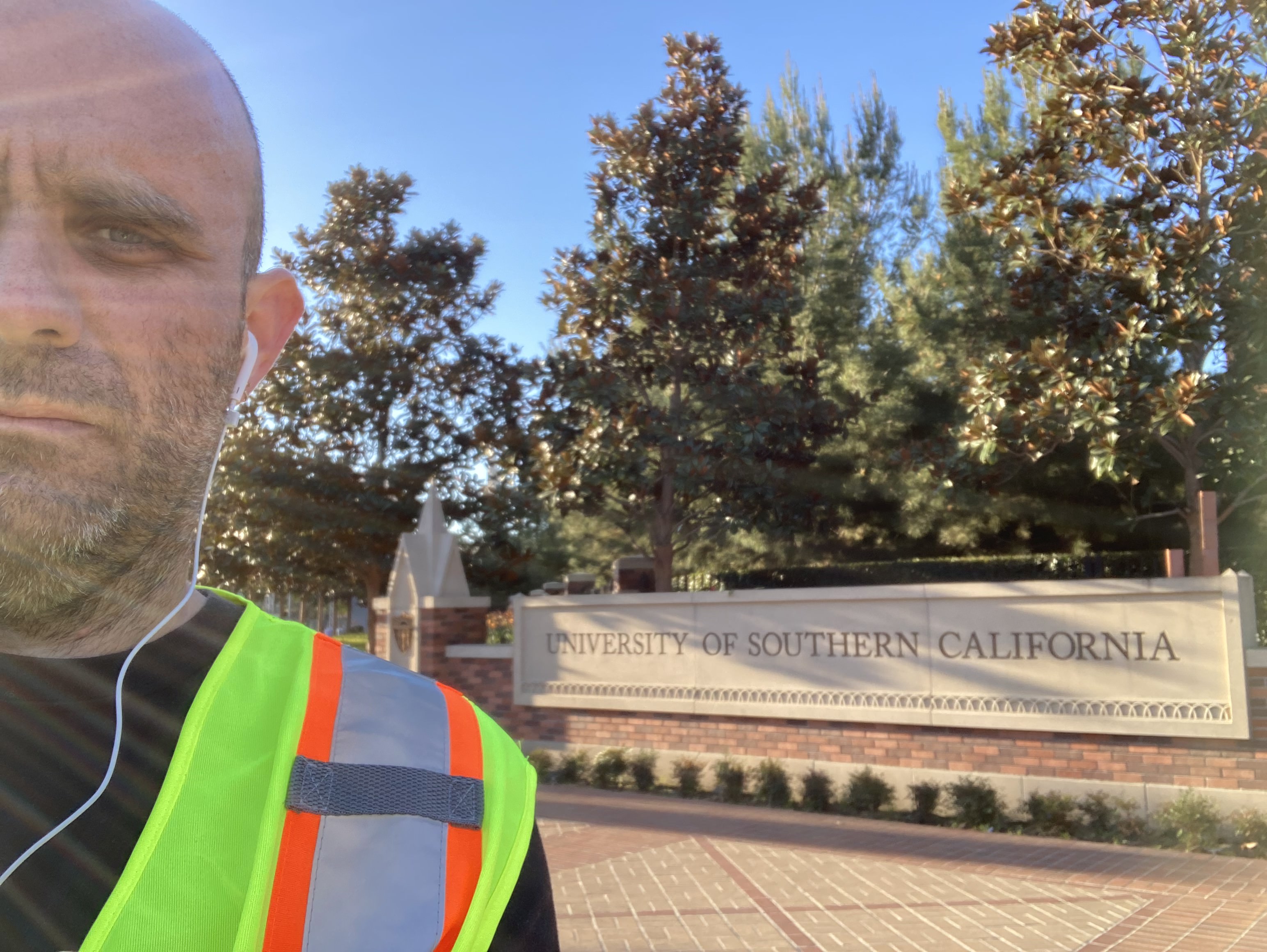
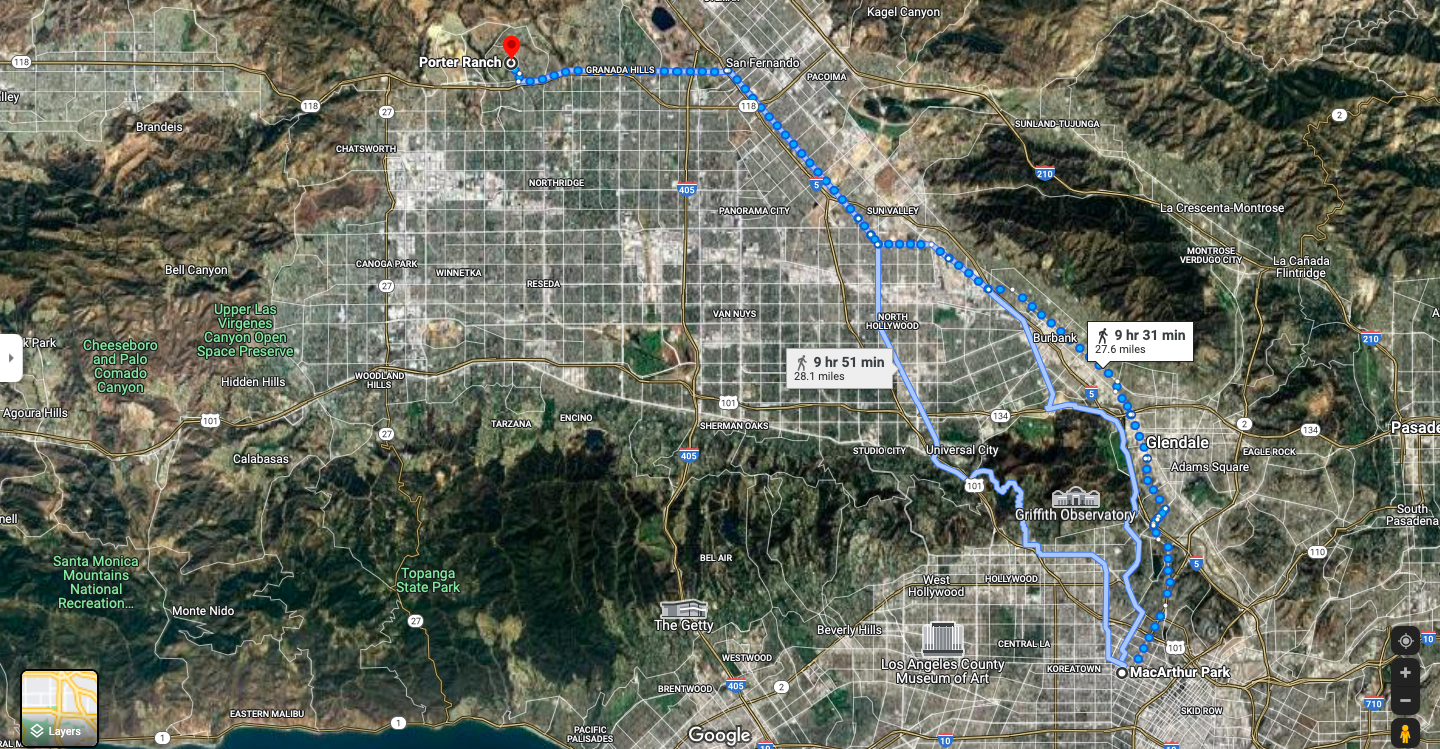
Yesterday was another wonderful day, starting out with a jog from MacArthur Park in Koreatown down to the University of Southern California campus. Later on we found ourselves in Northridge and Porter Ranch, seeing family and friends, playing jazz violin, picking and eating grapefruits.
One highlight was a phone conversation I had with Jim, a friend who lives in Atlanta. We bemoaned the state of affairs between the U.S. and Russia and need for a peaceful resolution to the conflict over Ukraine. The world seems to have lost its compass, and is on a path of dead reckoning for nuclear disaster. We need to find a sextant, reorient to the stars and get this sailboat back on track.
On November 4, 2016, Dr. Ira Helfand and I wrote an op-ed for CNN.com entitled, “[Obama] Administration is wrong on nuclear weapons and Clinton, Trump are silent.” Sadly, 5.5 years later, nothing has changed – in fact, they have gotten worse. The Biden administration is dead wrong on nukes – we need to stop the saber rattling and get rid of these weapons. Ira was on Democracy Now yesterday making this same point. But it’s not hopeless. All it takes is for people to speak out for the global abolition of these weapons. It could certainly start with CDC Director Dr. Rochelle Walensky, speaking out publicly and privately to President Biden about the grave danger we face from these weapons. Will Dr. Walensky act? Will I act? Will we act?
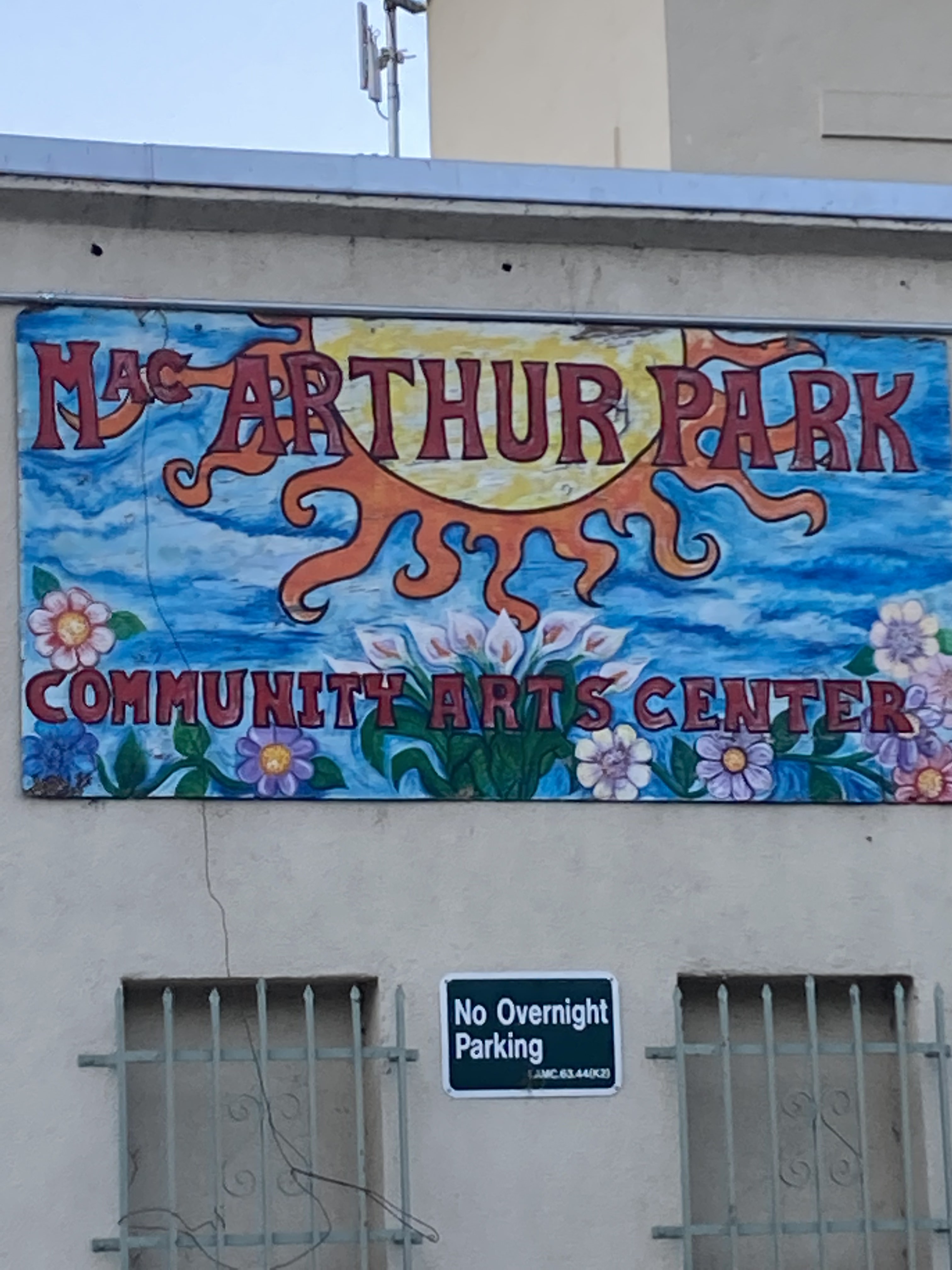
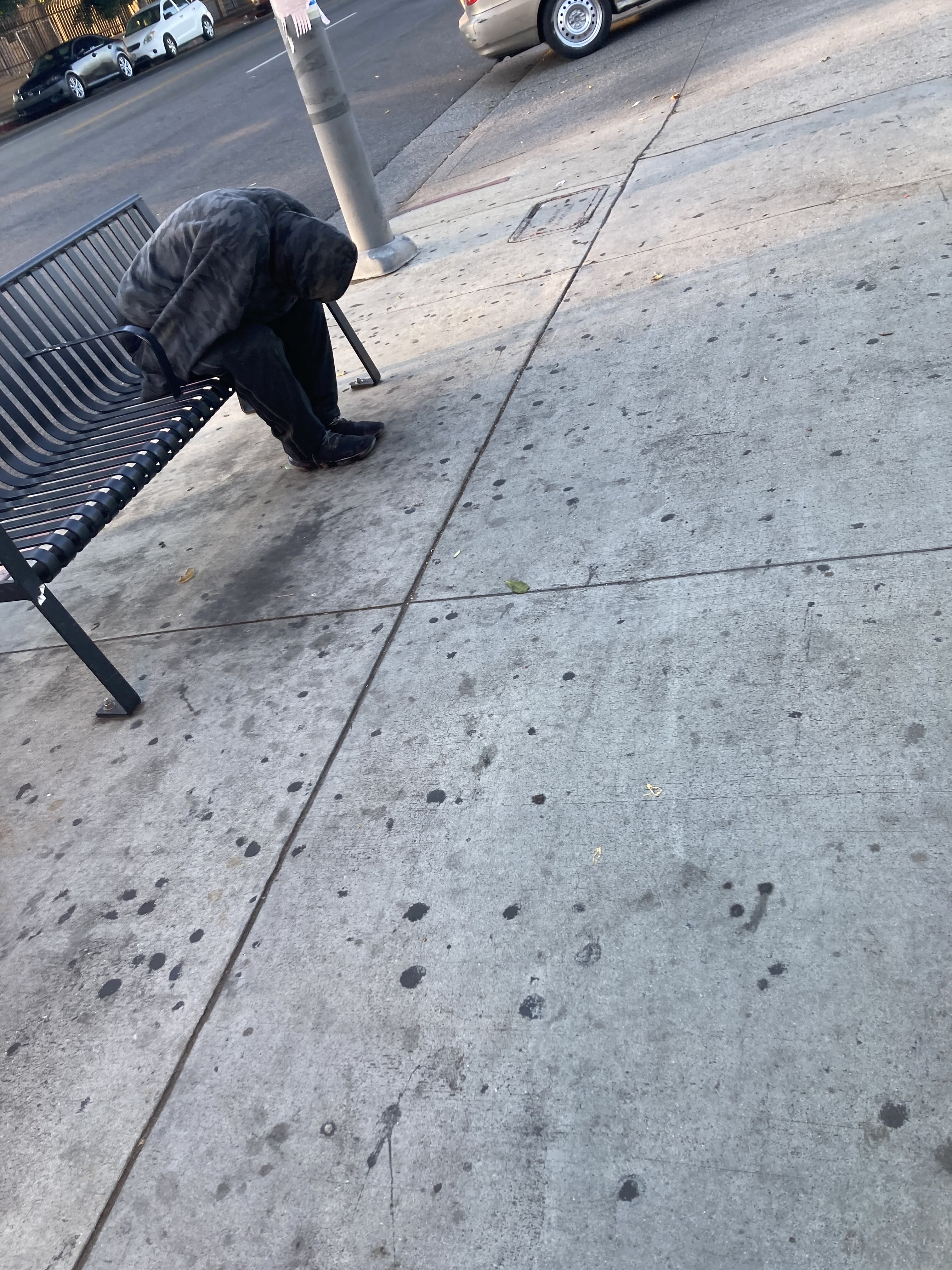
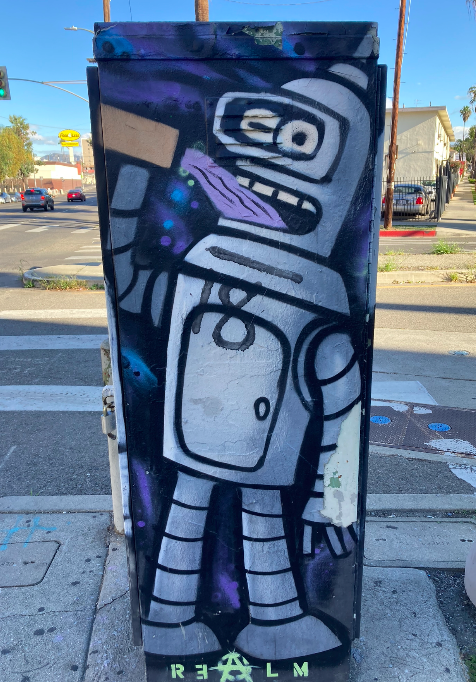
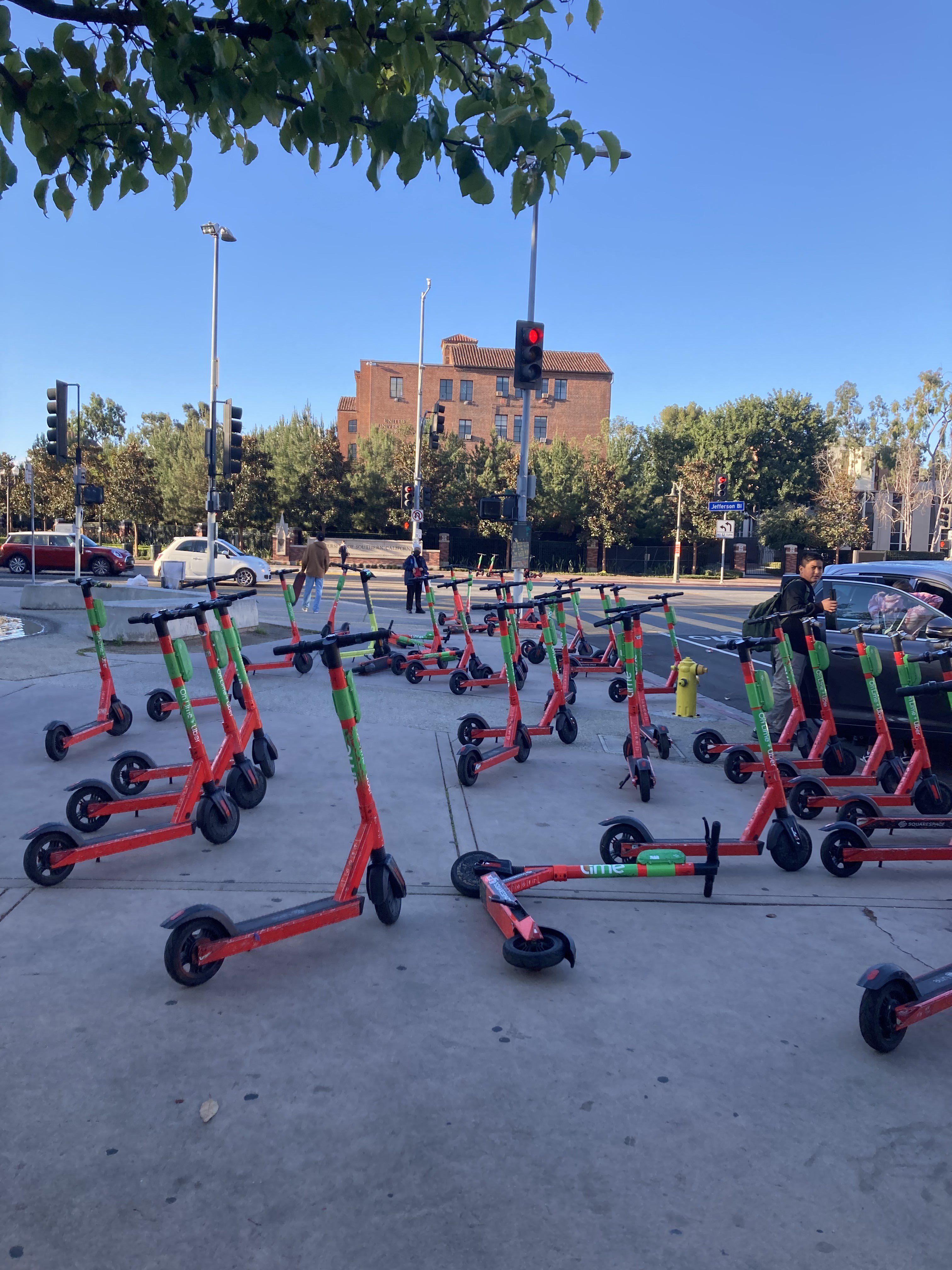
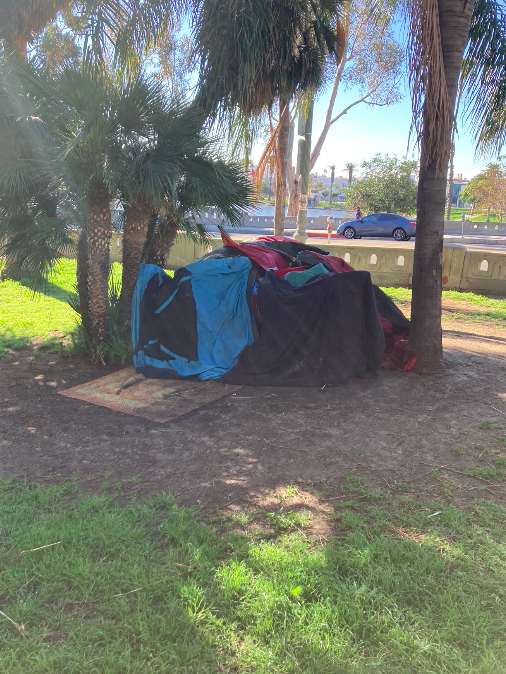
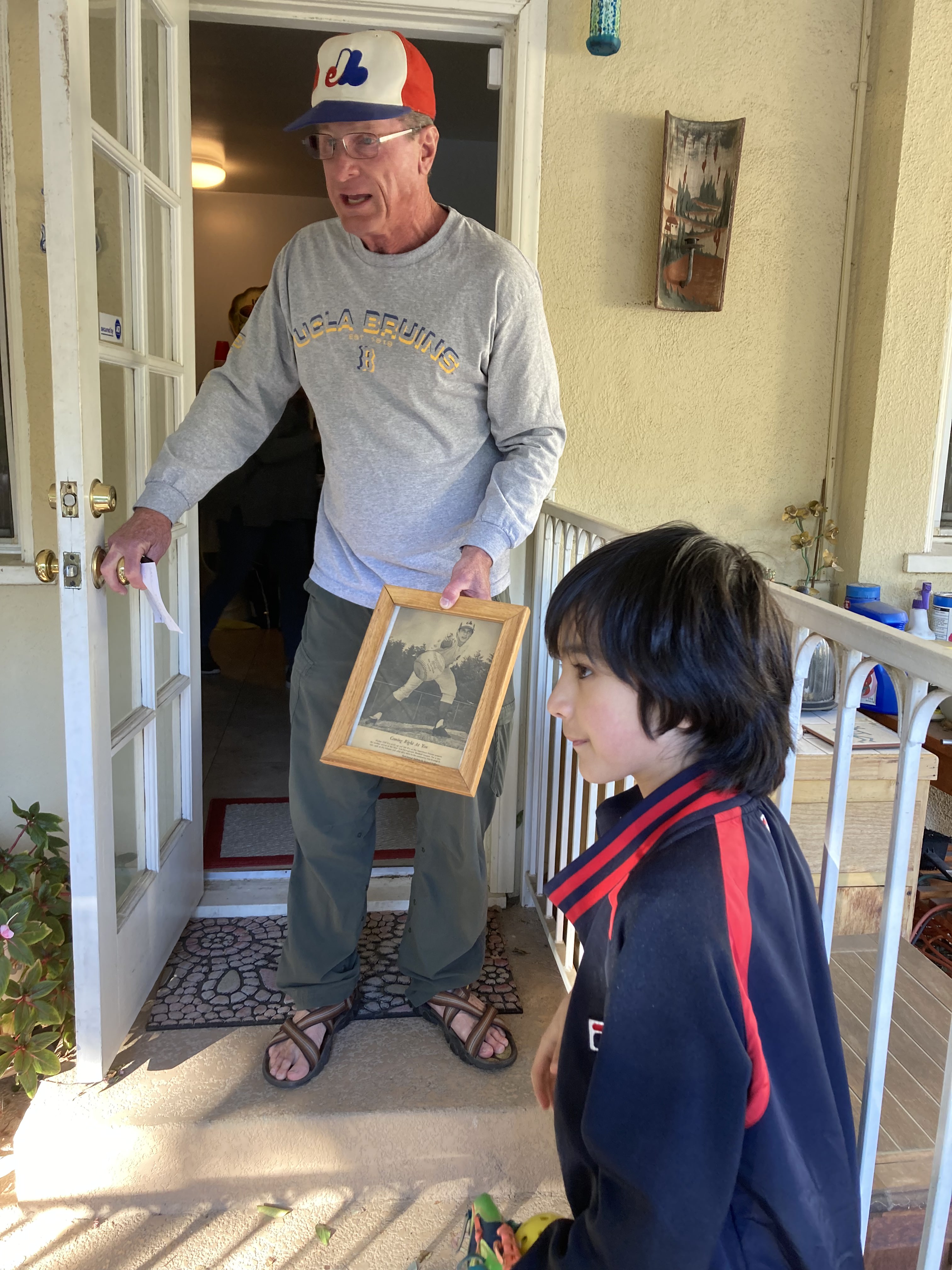
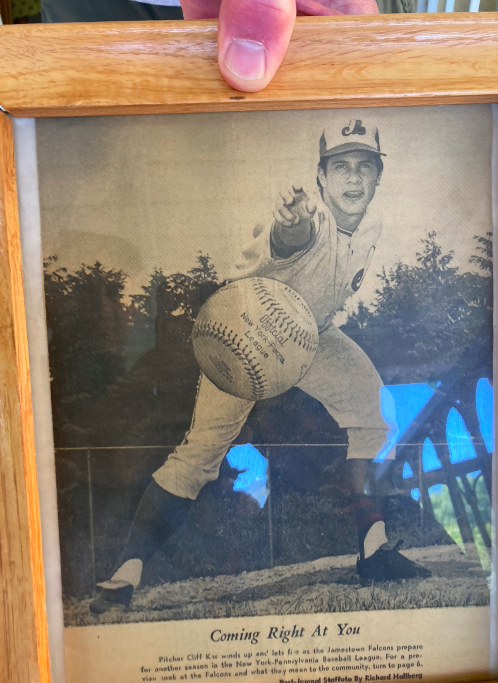
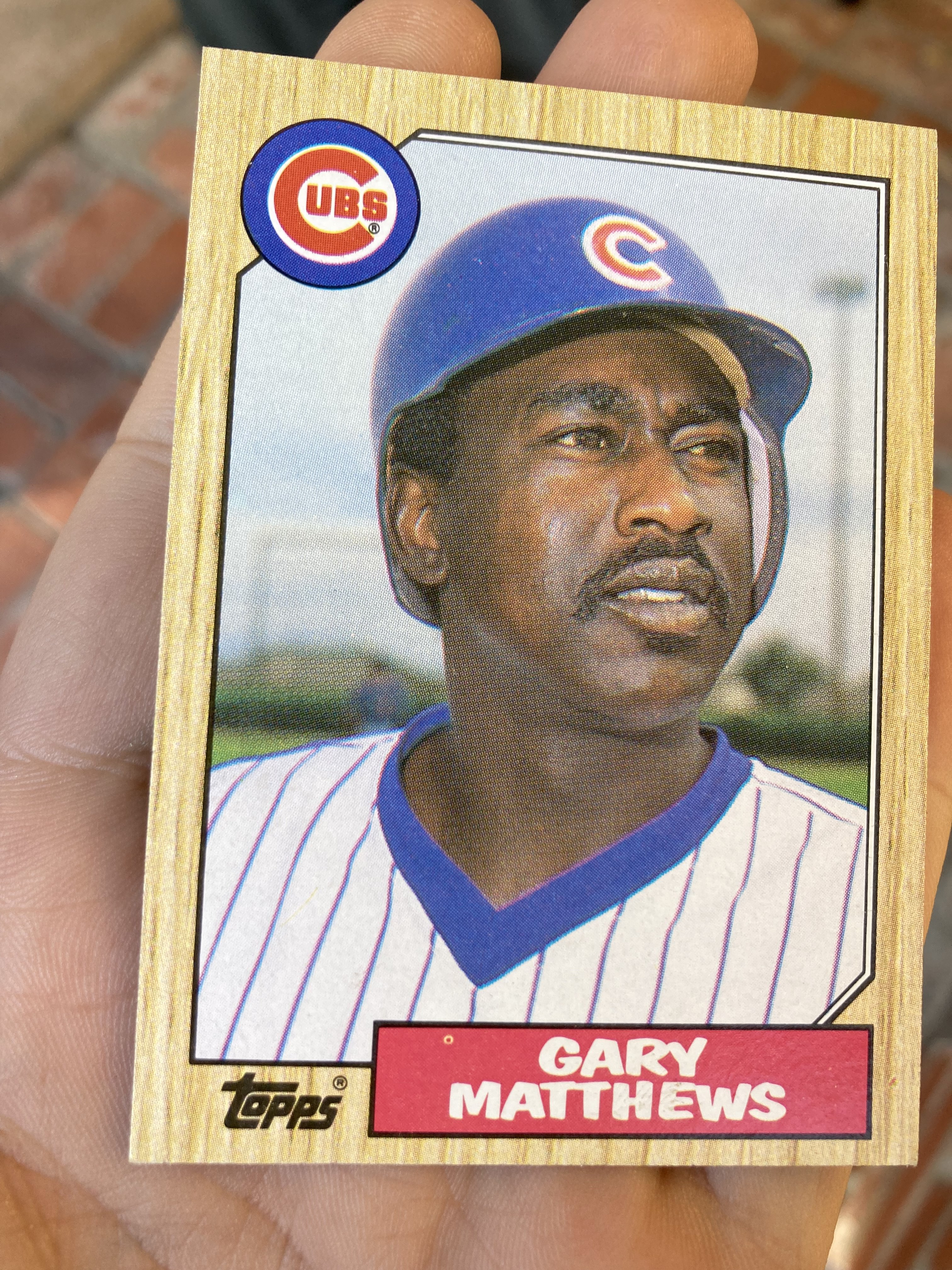
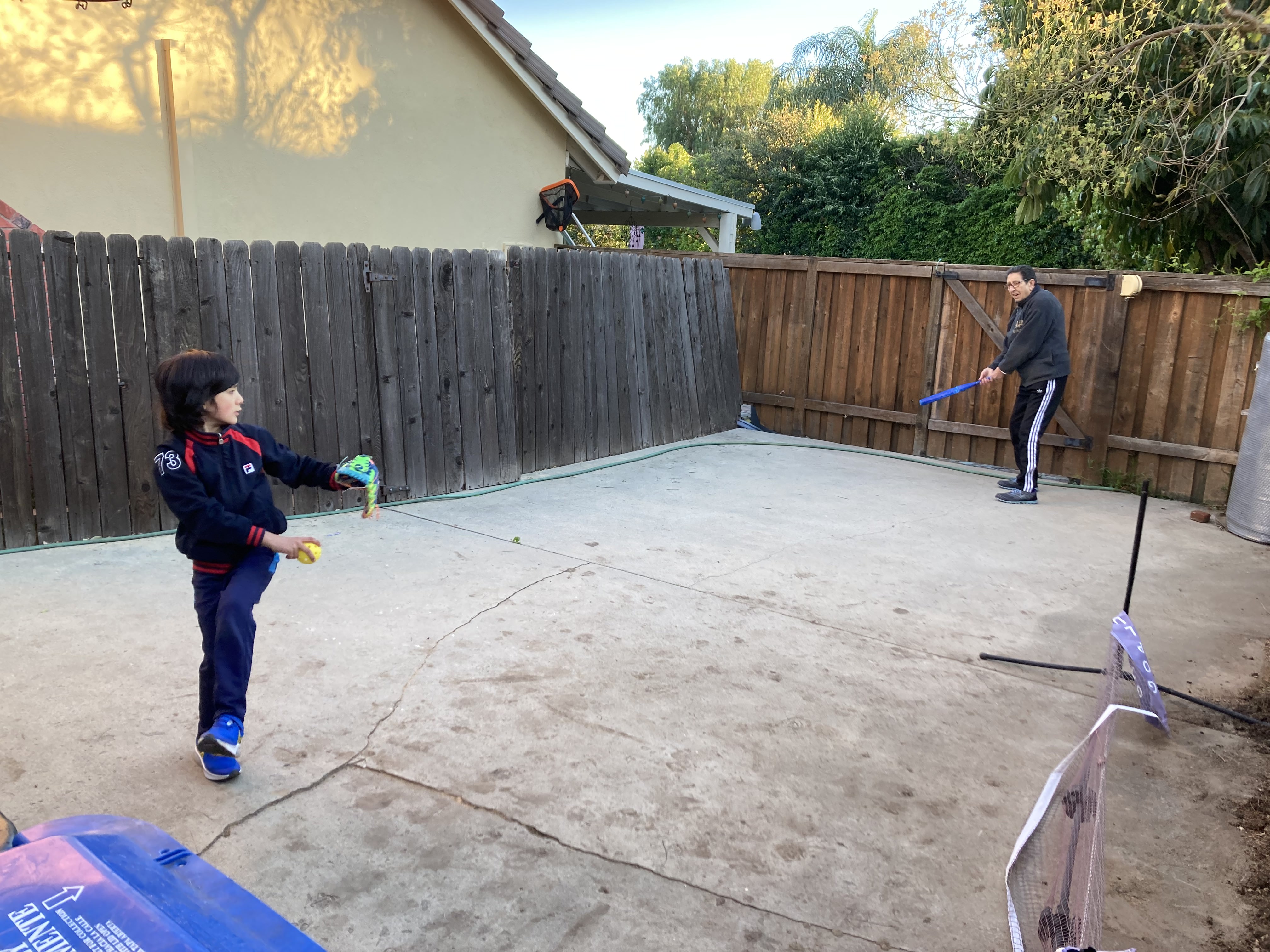
Would love to know what kind of art is going on when the Community Art Center is open!I did run/walk down to the USC campus. An urban trek, but lots of interesting sights and sounds. Homelessness is evident all over Southern California, but especially in LA. This reminded me of a day in 2010 when I came outside my apartment in San Diego and found a dead body, probably from an overdose. When will we act and make sure everyone gets housing, drug treatment, psychosocial support, job training, mental health care? Mural seen on my journey to USCQuality street artNeurotics anonymous. Maybe I should join. Electric scooters, the new way to get around. What ever happened to walking, running, biking? I guess they are better than cars. Near USCFinally arrived at USC! I didn’t see any Spoiled Children walking around at this University. Everyone seemed very grounded.Tent in MacArthur Park. When will we end homelessness? In Northridge, with a family friend, Cliff Ker, who played minor league baseball in the 1970sClifford Ker in 1970. Same Expos hat as he wore today?!One of Cliff Ker’s favorite players, Gary Matthews, who played in the 1979 All Star gameYes, we did pick about 30 grapefruit from Cliff’s tree (thank you!) Going to make grapefruit juice. Entertained the crowd with a bit of Autumn Leaves using my laptop and software program iRealpro. The only two issues – I need a lightweight bluetooth speaker, and it got chilly in Northridge when the sun went down. Next time – will figure out a way to do karaoke. An intense game of backyard baseball. The 7-year-old imagines he is Sandy KoufaxSome artworkAcorn, my new friend in Porter RanchWe didn’t walk to Northridge and Porter Ranch – that would have been too much, even for me:)
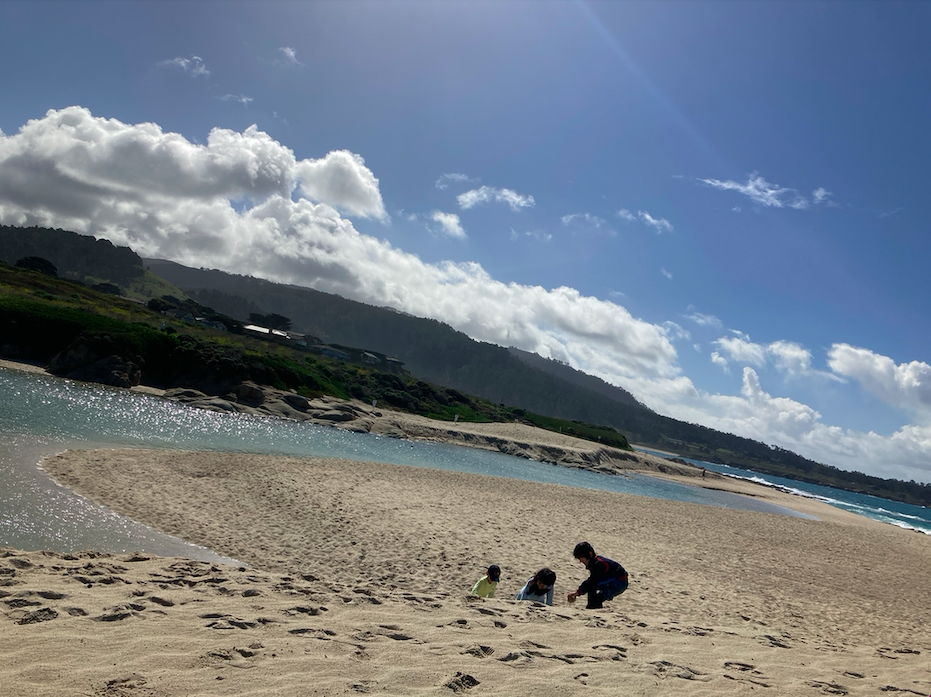
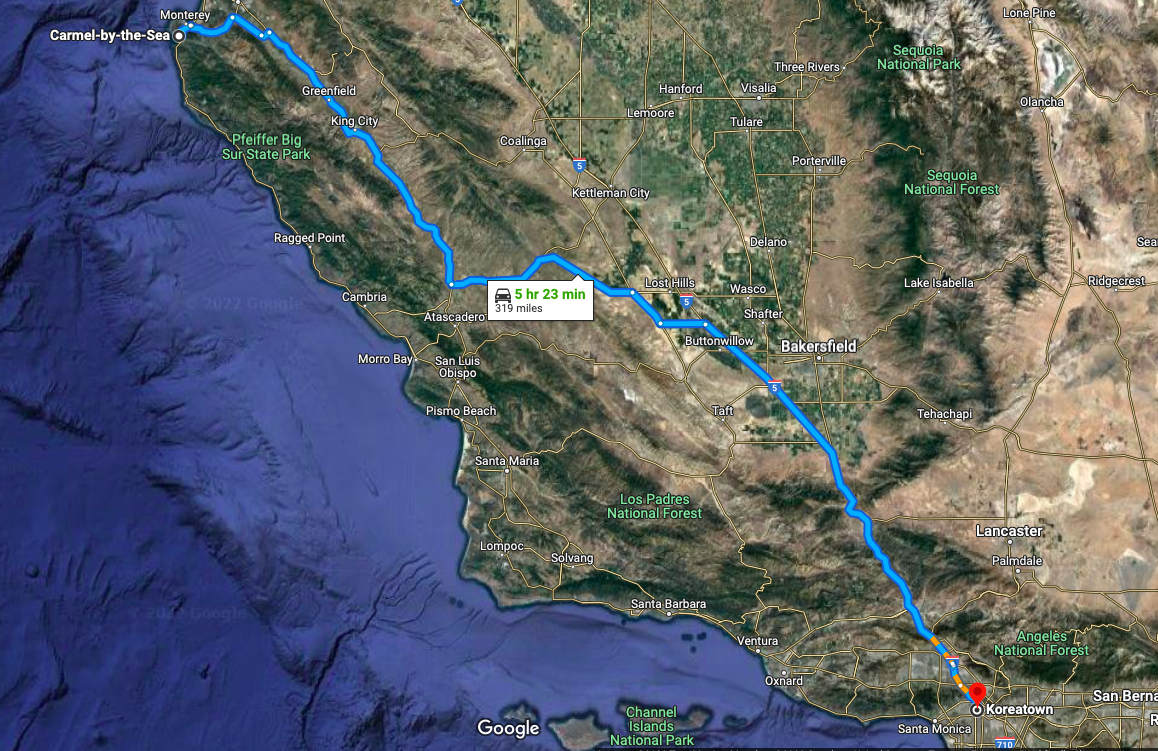
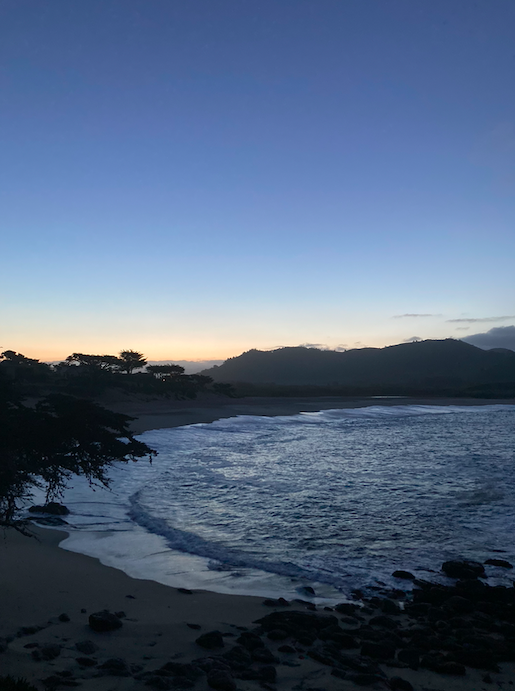
Yesterday, we spent time at the beaches of Carmel, which were spectacular. Then, we started an exhausting drive back to Koreatown, Los Angeles.
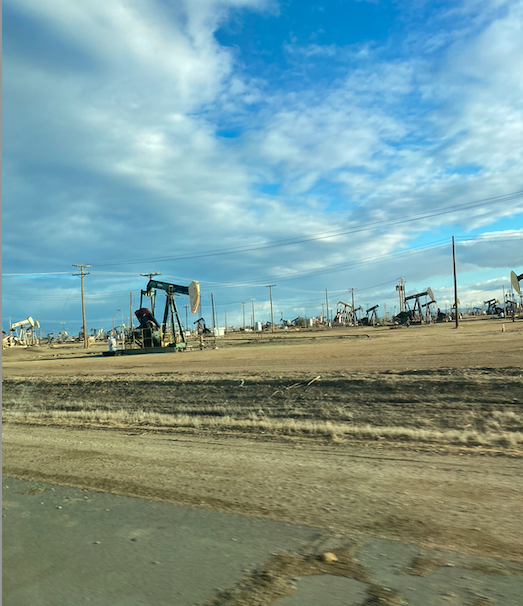
On our route, we passed the oil derricks of Bakersfield, and seeing these machines up close was quite stunning, as we drove along in our gasoline-powered car. I felt a cognitive dissonance, like I was in a performance of the theatre of the absurd, after our beautiful experience among the Redwoods and beaches of Carmel. So this is where your oil and gasoline are coming from? This is how the forests have been torn up and replaced by capitalistic machines which pollute and destroy?
Why haven’t we gotten rid of our conventional SUV and replaced it with an electric car, as many of our friends have done? Why haven’t we gotten rid of our oil boiler, and replaced it with electric Mitsubishi heat pumps, as others have done? And our gas water heater in our basement. And our gas stove in our kitchen? Where is our insulation? Where are our solar panels?
We have looked into each of these options, gotten quotes for electric cars and electric appliances, and considered it. But to date, inertia has been more powerful than change.
That’s the central issue with global warming. Billions of people around the world know that this is a crisis and we need action. But we haven’t come together and gotten organized and figured out ways to stop the drilling, the fracking, the burning, the environmental destruction.
President Joe Biden isn’t going to do it for us. The Republicans aren’t going to do it for us. It has to come from each one of us, deep inside our hearts. The Great Spirit can help us.
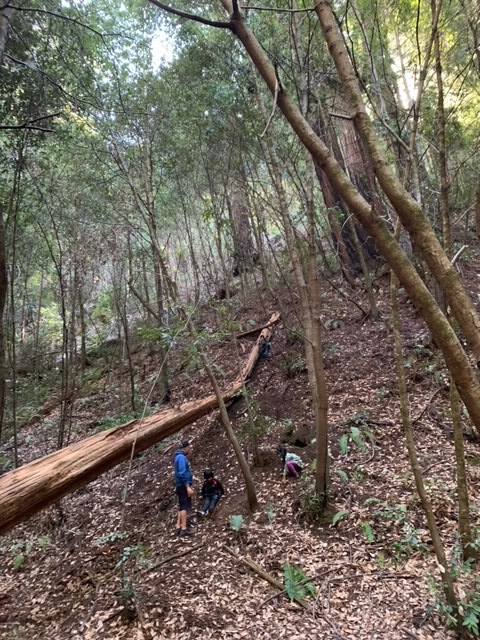
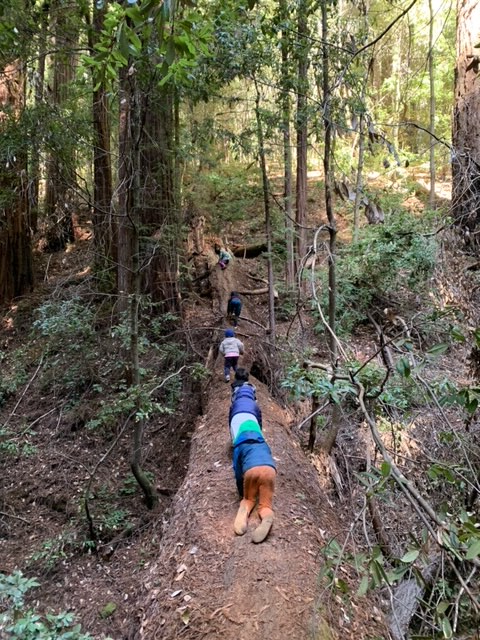
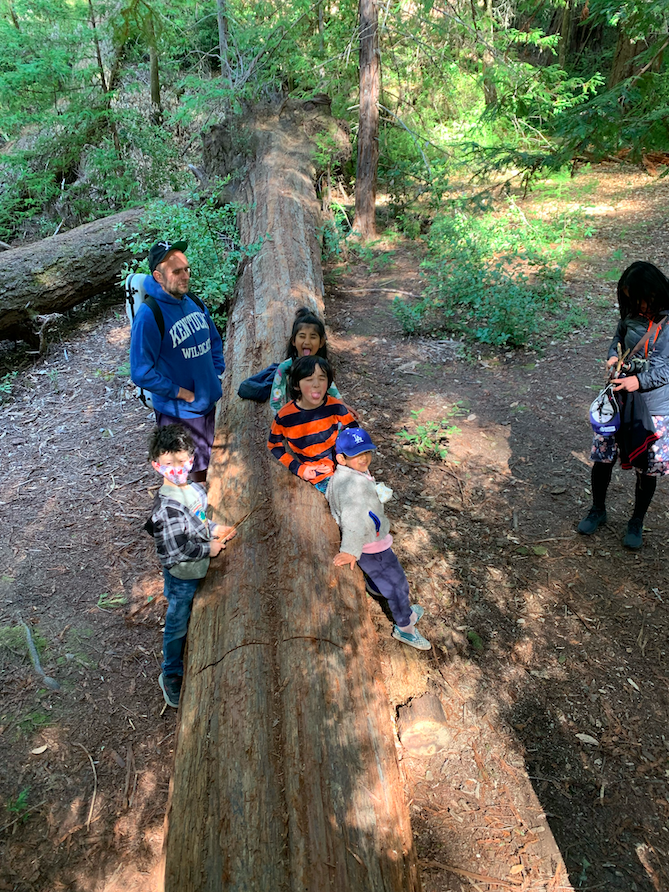
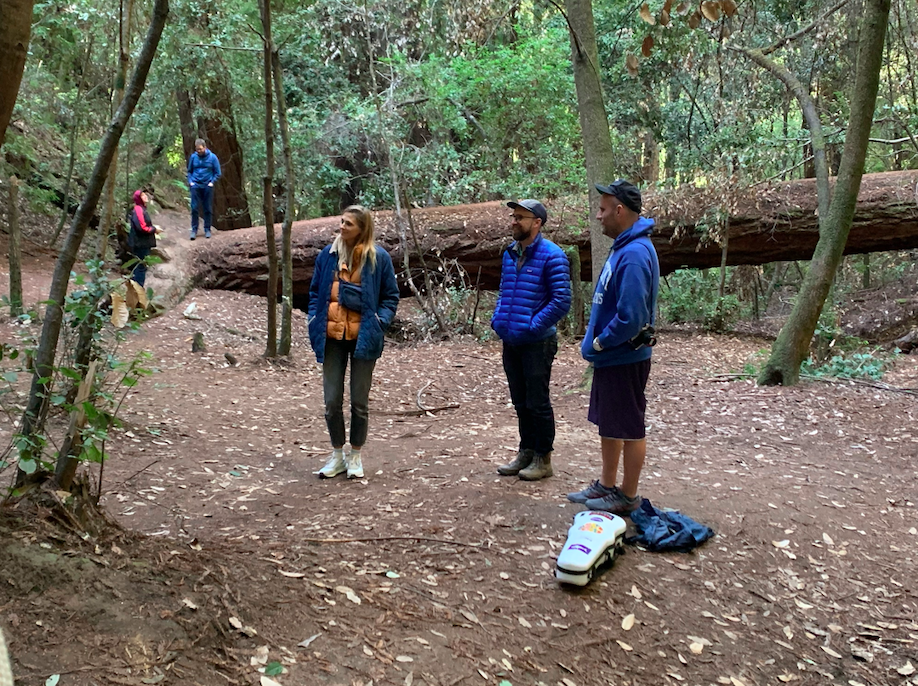
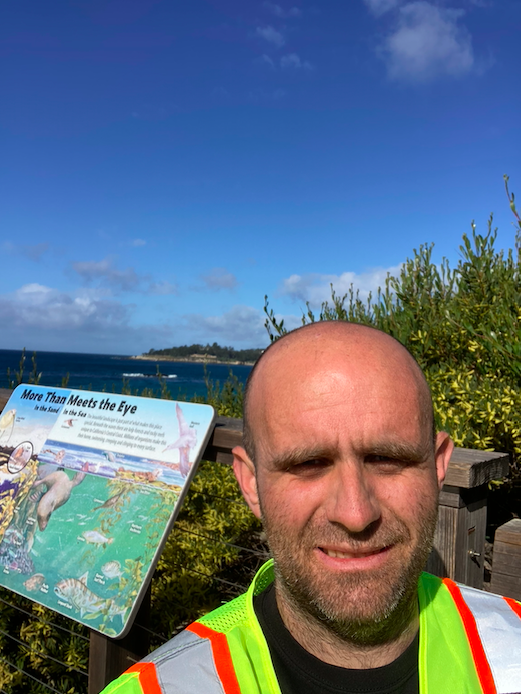
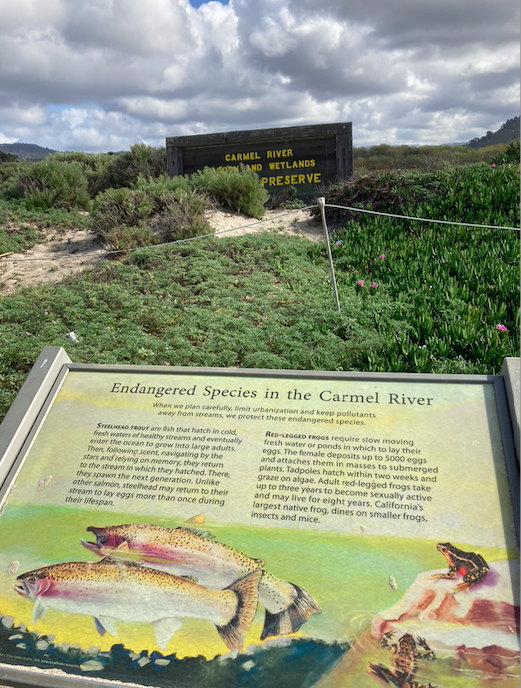
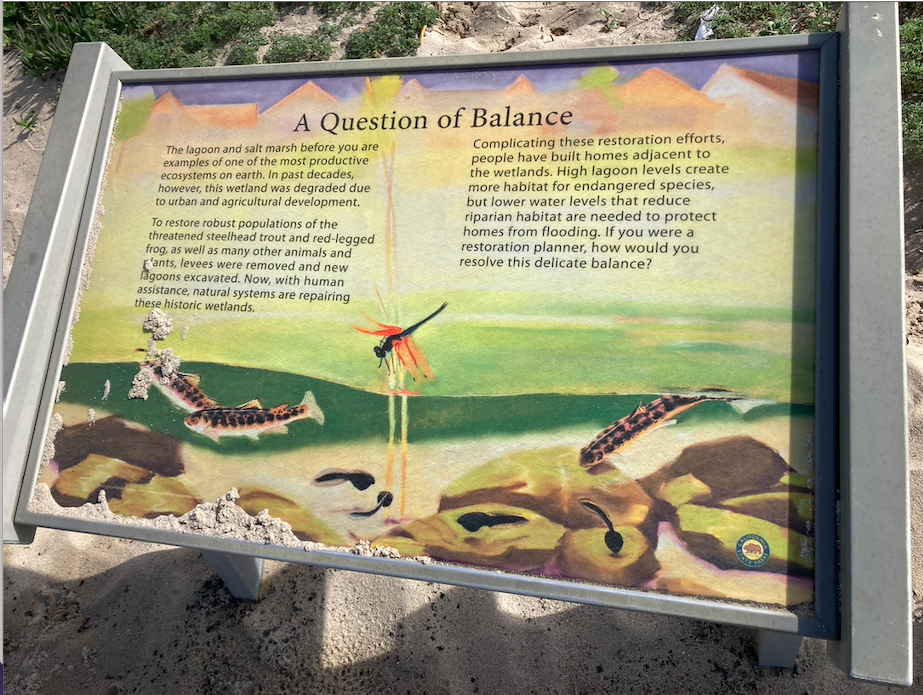
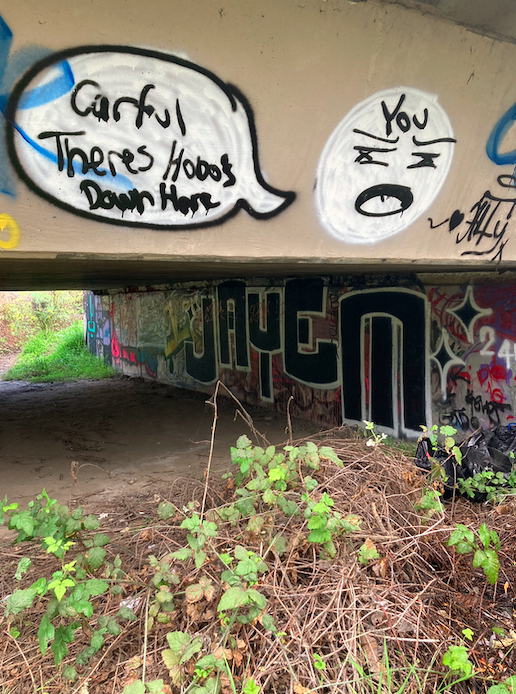
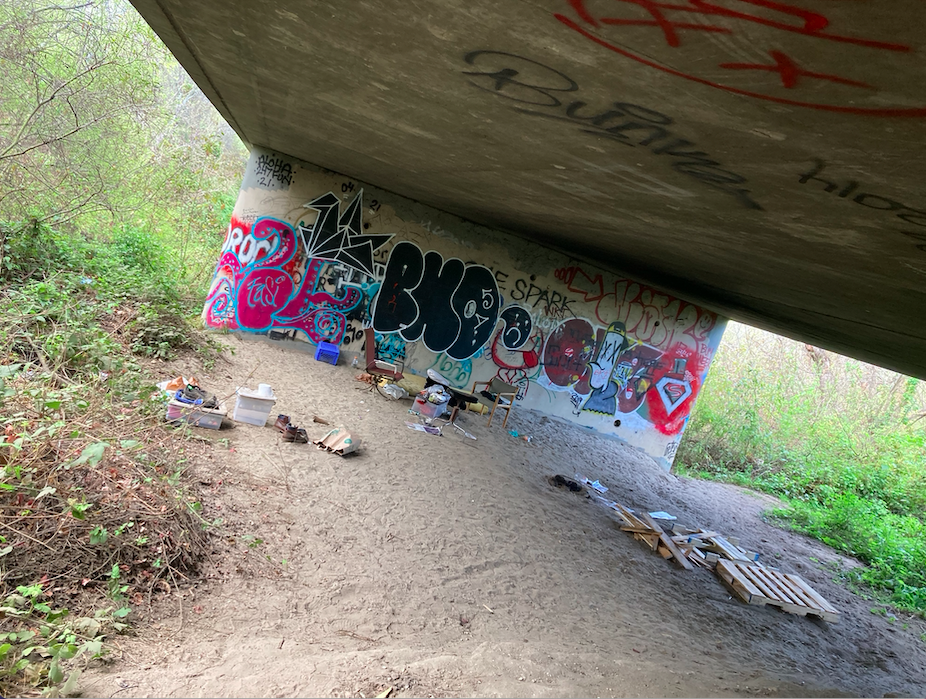
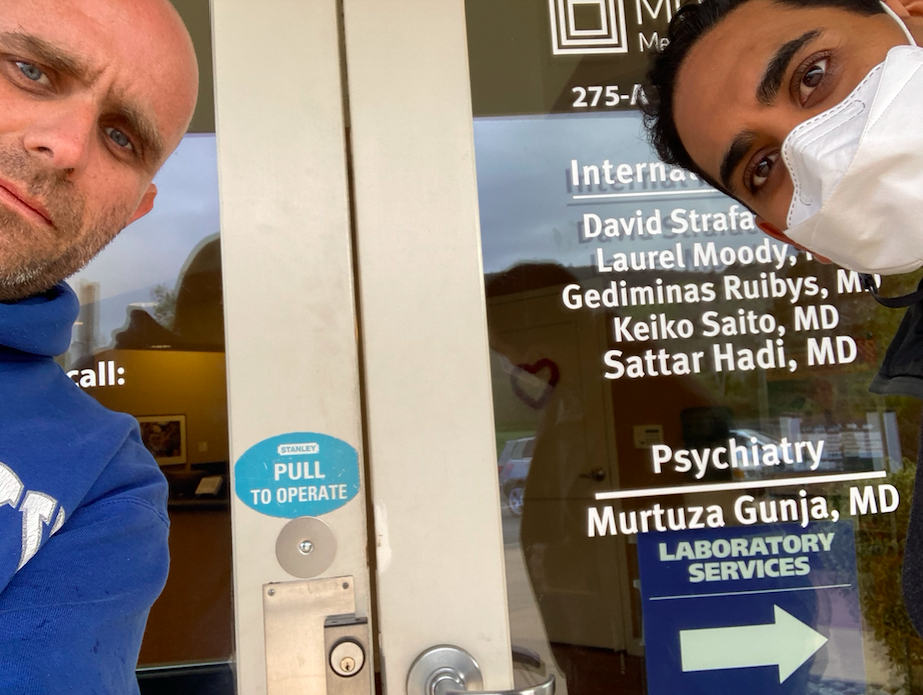
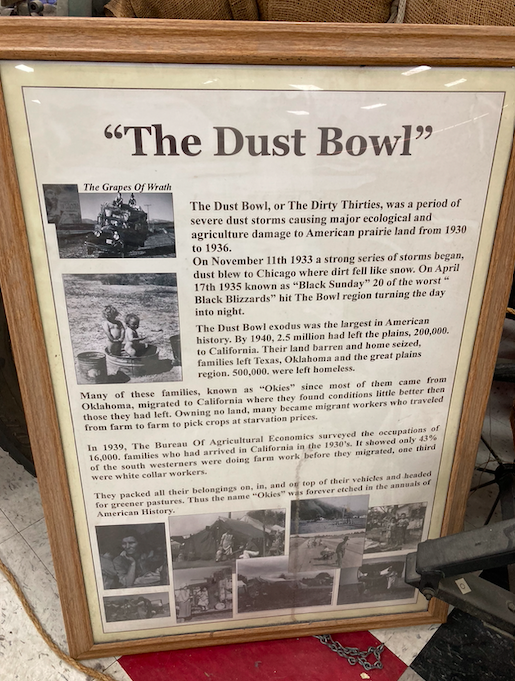
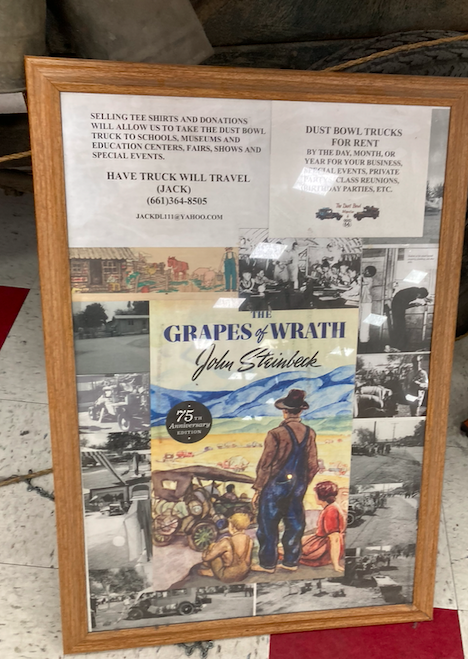
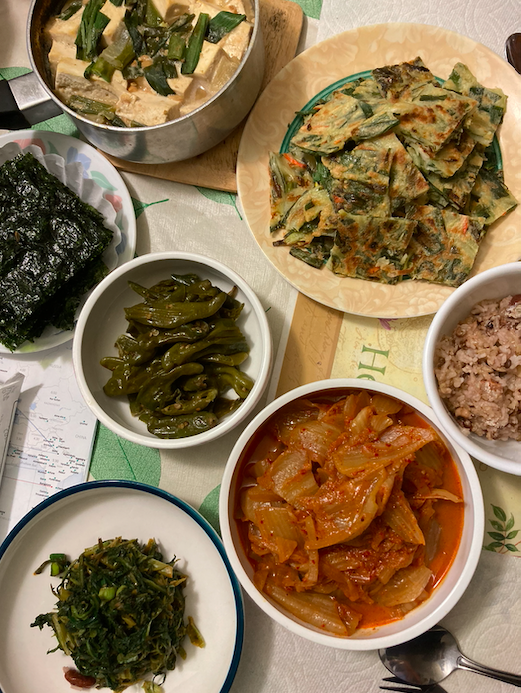
The magical Redwood forest (photo- Murtuza Gunja)Kids climbing across a fallen redwood (photo- Murtuza Gunja)A bunch of kids hanging out among the Redwoods (photo – Murtuza Gunja)Travel with a violin whenever possible – it will help you find the Great Spirit (photo – Murtuza Gunja)Kentucky old-time fiddler wearing a Malcolm X cap, so far from home (photo – Murtuza Gunja)After a jog over to Carmel Beach – “More than Meets the Eye”A few blocks from million dollar houses and a homeless encampment – the gorgeous Carmel Rive, where kids are happily digging on the beachCarmel River PreserveA question of balance – so important for all life“Careful There’s Hobos Down Here” – graffiti marks a homeless encampment in Carmel, CAThe encampment itself, below an overpass in Carmel, CADropping my friend and host, Dr Murtuza Gunja, off at work. I encouraged him to look into music/art therapy to grow his practiceThe Oil Derricks of Bakersfield, CA – the subject of this blog postBlackwells Corner – Dust Bowl car and Grapes of Wrath exhibit. Remember the 1930s?Dust Bowl – Blackwells Corner. All we need is a Woody Guthrie wax statue, strumming his guitarThe Grapes of Wrath – as portrayed at Blackwells CornerBlackwells Corner Pistachios for sale – spicy and saltyUpon our arrival in LA- Korean food prepared by a master chef – Chang Won Lee!Today’s southwesterly route to the City of Angels. It was a rough one but we made it, just barely.
Thanks for reading my blog entry! If you enjoyed this blog post, please feel free to leave a reply below or share with others. And remember, my website is always free.
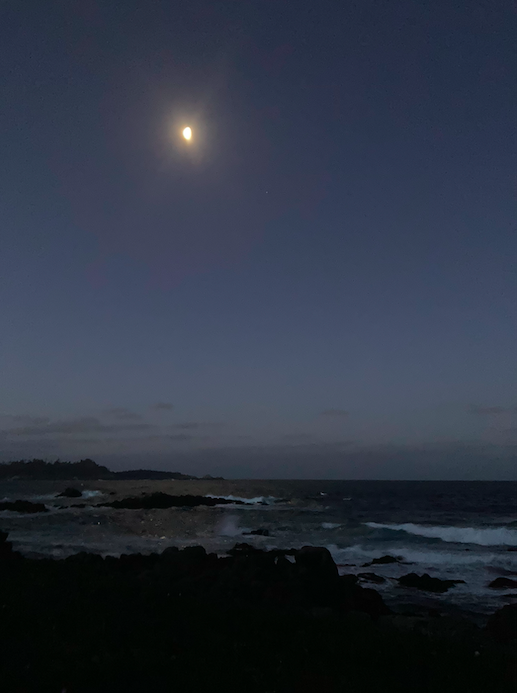
My day started early, before sunrise, with a 4 mile run/walk along the Pacific Ocean in Carmel. What impressed me the most, along with the natural beauty of the coastline, was the crashing of the waves. On the Monterey Peninsula, next to Big Sur, the Pacific Ocean is loud.
The roar reminded me of my childhood in Pittsburgh in the 1980s. Sometimes I would have trouble falling asleep, and my mom would put on a wave cassette tape. I haven’t listened to a wave tape in years, but sometimes I dream of sleeping near the ocean so I could hear the real thing.
As I jogged in the dark, the ground lit by the moon and my iPhone’s LED, I spotted the shadow of a strange animal on the beach. It was a bit like seeing the Loch Ness monster, and I thought of a deer, a coyote, or perhaps a mountain lion? I fled, picking up a small chunk of asphalt, just in case.
When I looked over my shoulder, it was gone. The Great Spirit, embodied in an animal? Or a demon? It was hard to say.
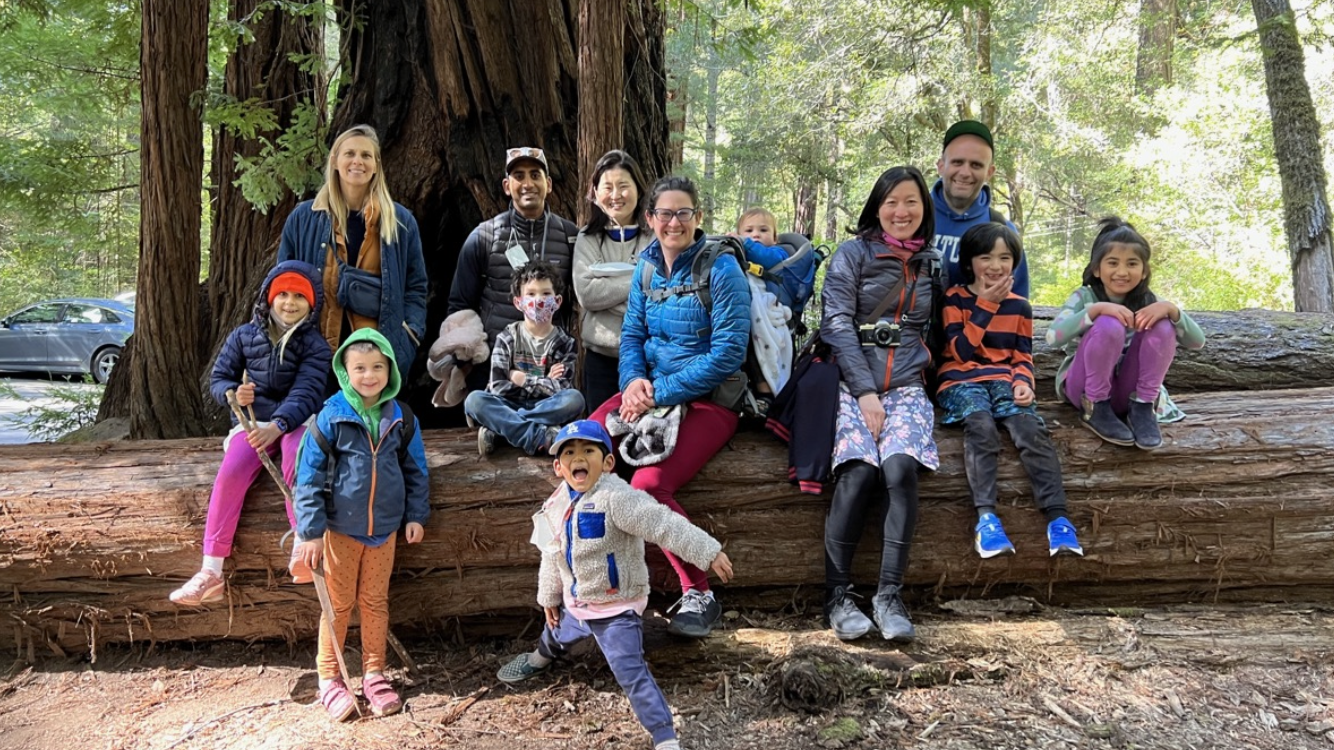
After a big breakfast of eggs, hash browns, and fruits (thanks again, Ja-Yun), we took off for Portola Redwoods State Park. Our group was comprised of a bunch of parents and seven rambunctious kids.
Two hours later we found ourselves standing by an enormous, 1200-year-old redwood tree. As the kids sprinted around and climbed the hills joyfully, I played a fiddle tune, Angeline the Baker, and my friend Susannah Graves sang along. Later, we saw a seed shower, a magical moment with flurries in the forest, a few seconds of calm, forest bathing.
After our wonderful redwood excursion
Then we parted ways with our friends, and Kristen, Joe, and I headed for San Francisco. After a bunch of windy curves, I got cell phone service again and saw a flurry of text messages from friends saying that Dr. Paul Farmer had died in Rwanda. Wow.
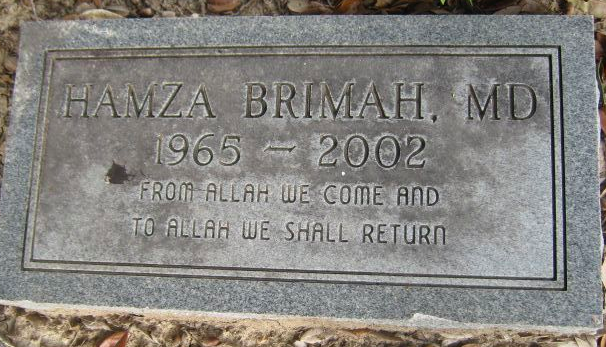
What can I say about Dr. Farmer? I first heard of him in 2001 when I read AIDS and Accusation during my medical anthropology class with Prof Daniel Jordan Smith at Brown University. Later I read Infections and Inequalities, and Dr. Farmer kindly autographed my copy, writing “with best wishes for a career in medicine.” In 2002 I went to the rural Mississippi Delta to learn about HIV and health disparities with Murtuza Gunja and Heather Clark (and later, Gabe Popkin). Murtuza, Heather, and I met inspirational leaders like Dr. Hamza Brimah, and I used Dr. Farmer’s advice.
His council went somewhat like this — “take your time, and listen carefully for discrepant messages from the people you speak with. Then return to Brown University and figure out a way to make things happen, to address the health (in)equity issues.” It was a lesson in accompaniment and pragmatic solidarity, “a preferential option for the poor,” as he often said. He was a powerful advocate for the right to health.
I recall a 30 minute chat I had with Dr. Farmer in 2017 in the lobby of Boston’s Fairmont Copley Plaza Hotel after one of his lectures. I was heading to Peru on a tuberculosis study and he reiterated his most important advice, which was very anthropological – to listen to people.
This was blog post was not intended to be a hagiography to Paul. There is a danger to hero-worship, particularly when that hero was a white male doctor from Harvard. Dr. Farmer was a complicated person, just like each of us. All I’m going to say is his work in Haiti, Peru, and elsewhere had a profound impact on my life. Thanks Paul.
Driving in a bit of a daze, I pulled up to the San Francisco Giants Oracle Park for one of our last stops of the day. In Greek history, an oracle is “a priest or priestess acting as a medium through whom advice or prophecy was sought from the gods, in classical antiquity.”
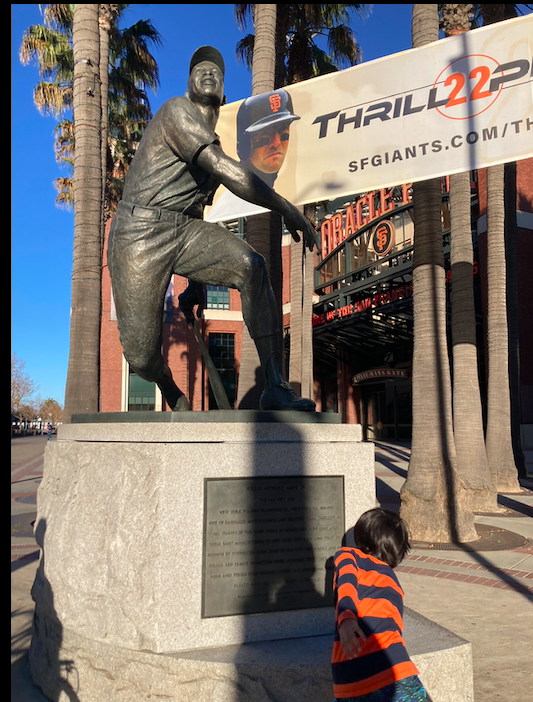
We walked around the ballpark with our friend Ben Sigelman, looking at the statues of the Giant superstars like Willie Mays. Where was the oracle we desperately needed?
With Ben and Kristen
Could Willie Mays help us find the Great Spirit, if we hadn’t found him or her among the Redwoods? Was Dr. Hamza Brimah or Dr. Paul Farmer the oracle we desperately needed? What about Mays himself, possibly the greatest baseball player of all time, with his 660 home runs? (The slugger had a different approach than Jackie Robinson or Hank Aaron on racial justice issues, mostly staying silent, focusing on the ballgame. Maybe silence was what I needed).
Mays was a giant. I knew that, but I couldn’t tell if he was the Great Spirit.
In the end, we left Oracle Park, drove to Oakland past RingCentral Colosseum, where the Oakland Athletics play, and returned to Carmel for the night.
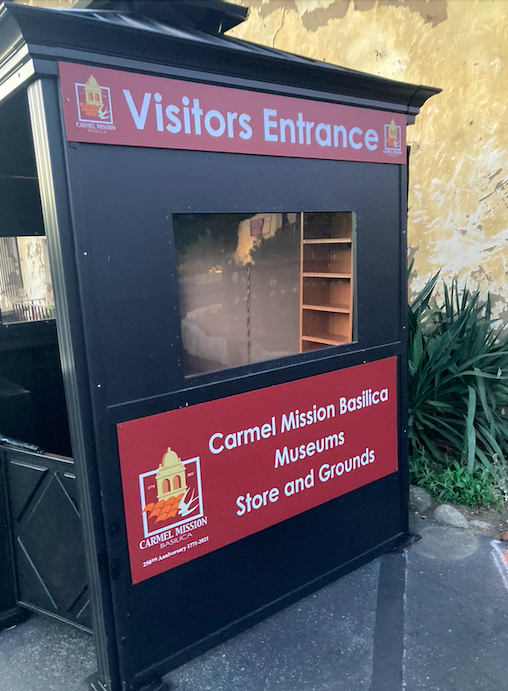
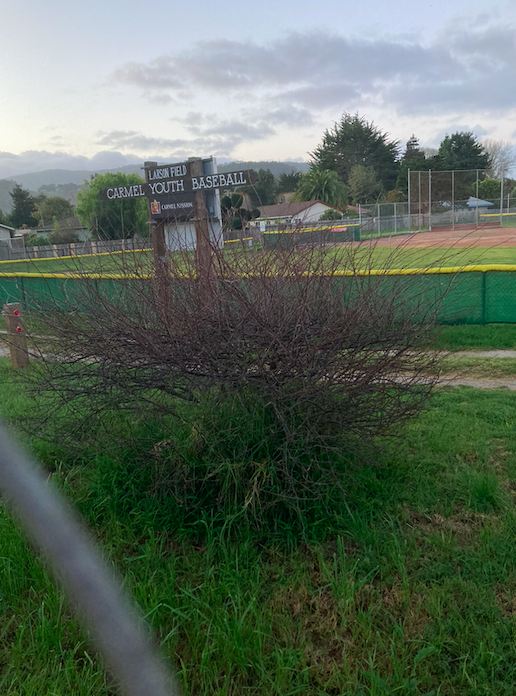
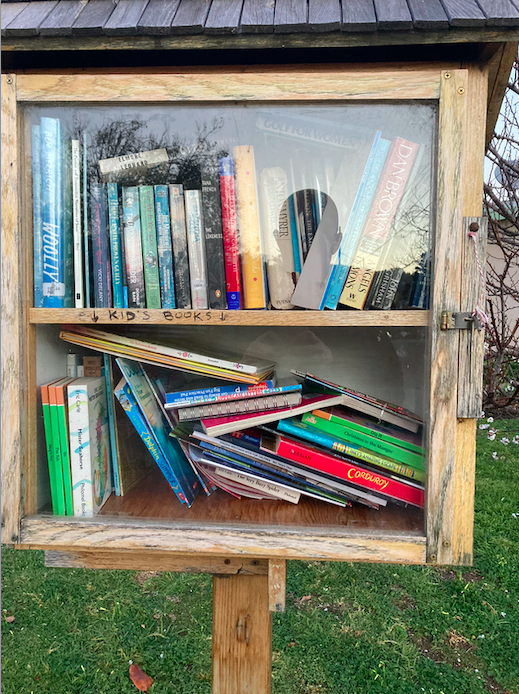
Joe learns from Willie MaysThe Pacific, taken during my morning jog in CarmelThe sun also risingThe other MissionFray Junipero SerraCarmel Youth Baseball looks a lot like Jamaica Youth Plain BaseballThey have Little Free Libraries in Carmel, just like in JP!
Thanks for reading my blog entry! If you enjoyed this blog post, please feel free to leave a reply below or share with others. And remember, my website is always free.
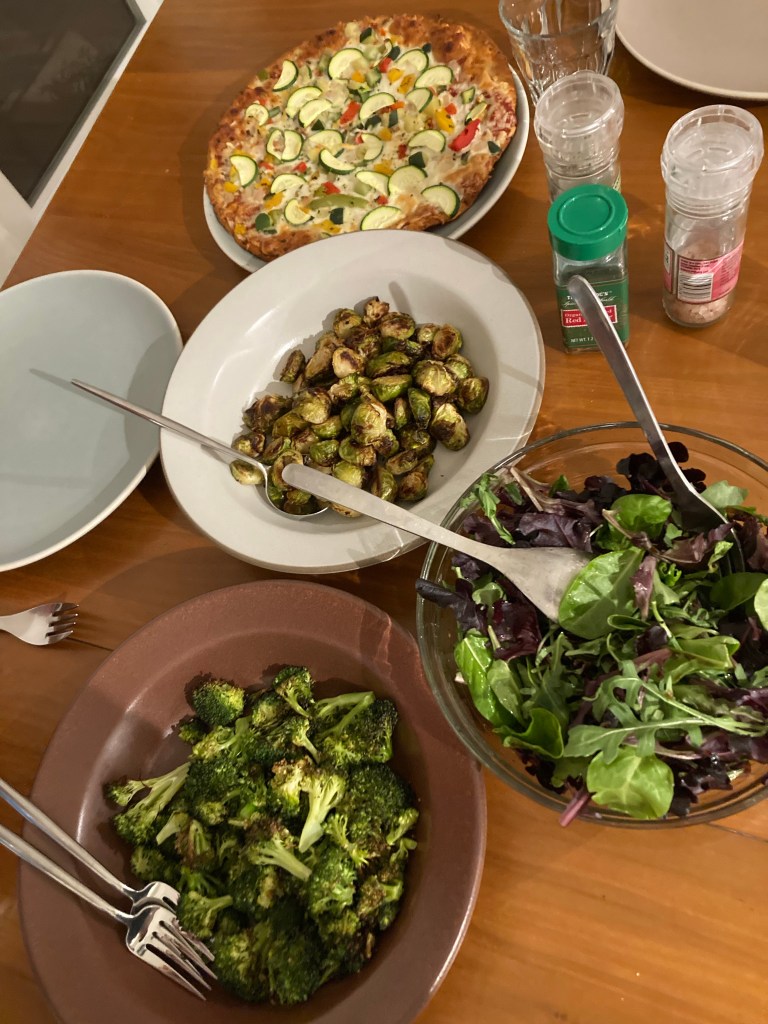
Hello from Carmel, California, home to coyotes, mountain lions, and whales. Last night we dined on roasted brussel sprouts, salad, broccoli, and freshly baked pizza (thank you Ja-Yun). Today we’re off for a hike among the redwoods.
A great meal
Over the past week I’ve been thinking a lot about public schools in America. I’m struck by the disparities, the inequities, and the need for high quality education for all. Kids are our future – so why do we waste so much money on the military, on for-profit wasteful healthcare, and on so many other sectors of our economy?
I’ve talked to friends about our experience in the Boston Public Schools. I’ve heard about the Redwood City, Carmel, Los Angeles, and Mountain View school districts. I’m struck by the similarities and differences between the schools, and most importantly, the need for higher quality education for all.
In Boston we are losing a superintendent, and my son’s school’s principal, and these aren’t the only changes in the public schools. Will the turmoil in the district resolve? Will educational quality improve? How will this change affect the social-emotional development of these kids?
The bottom line is if parents want change, we must come together and speak with one voice. And we will find the Great Spirit, but not by looking.
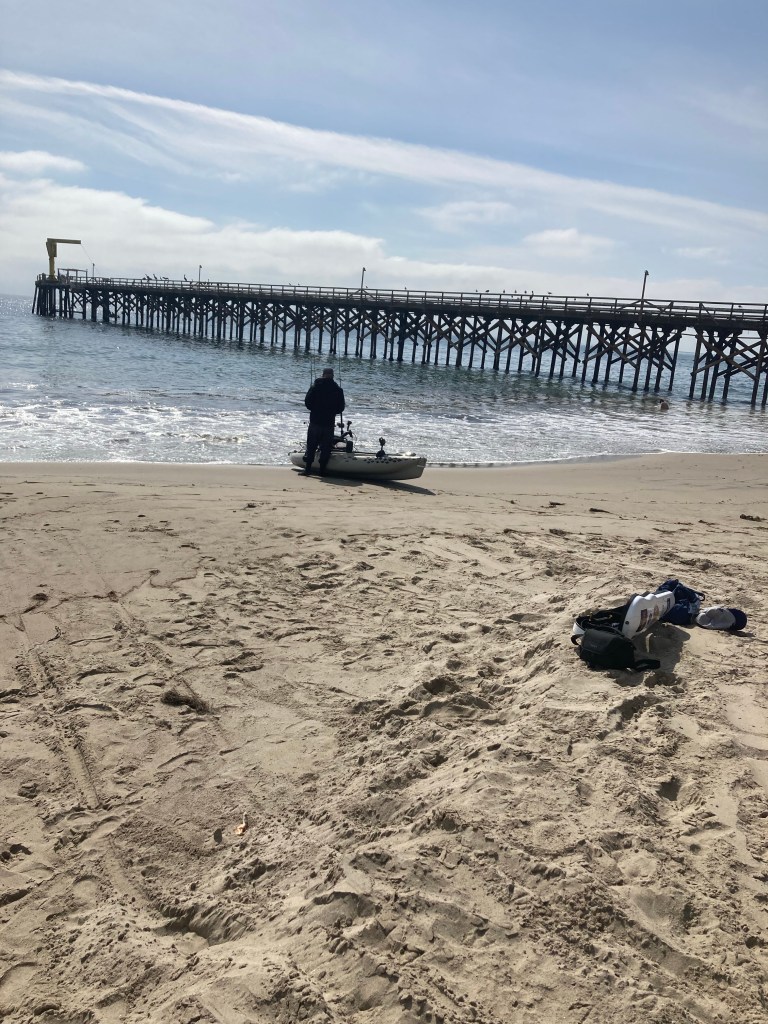
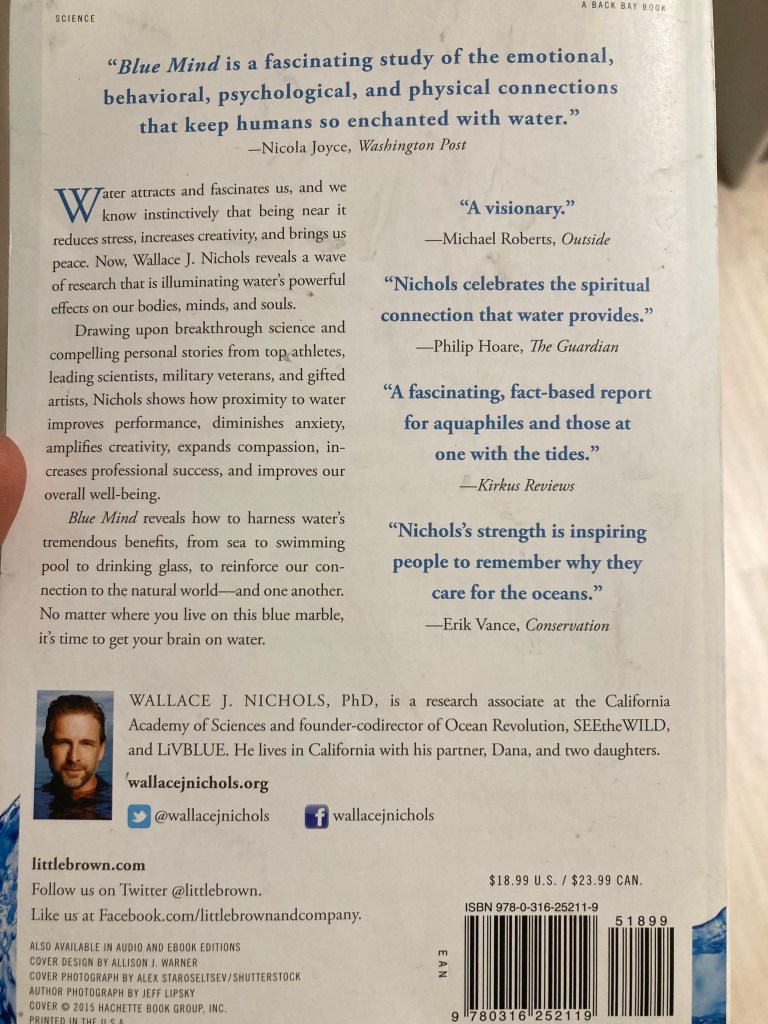
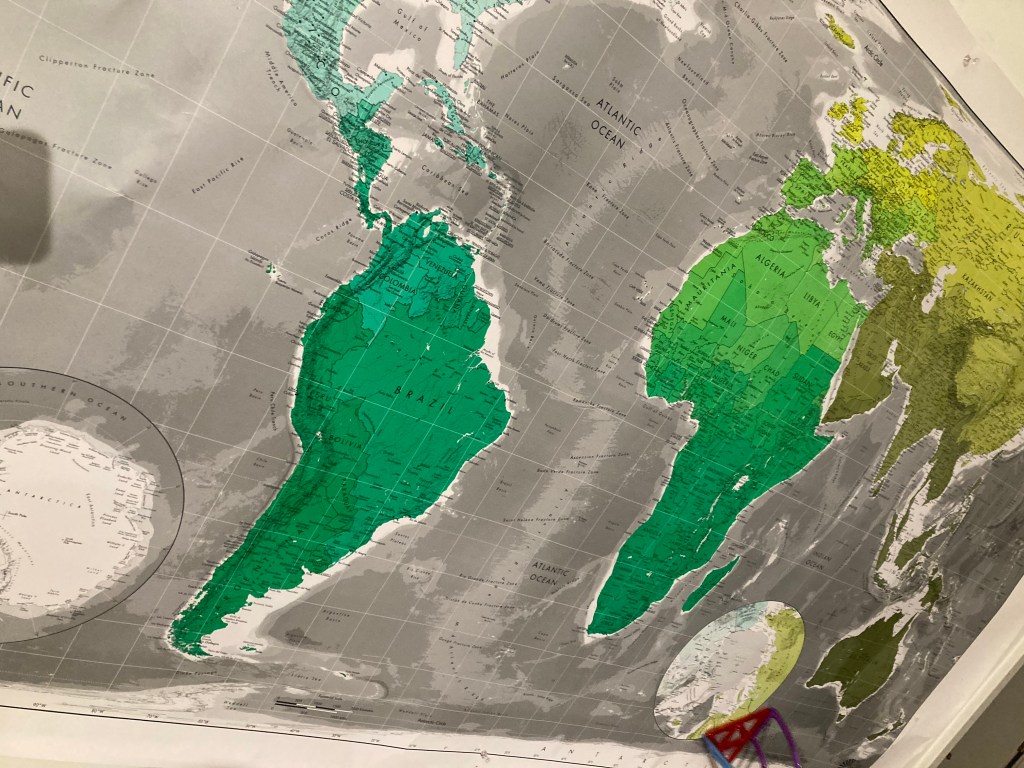
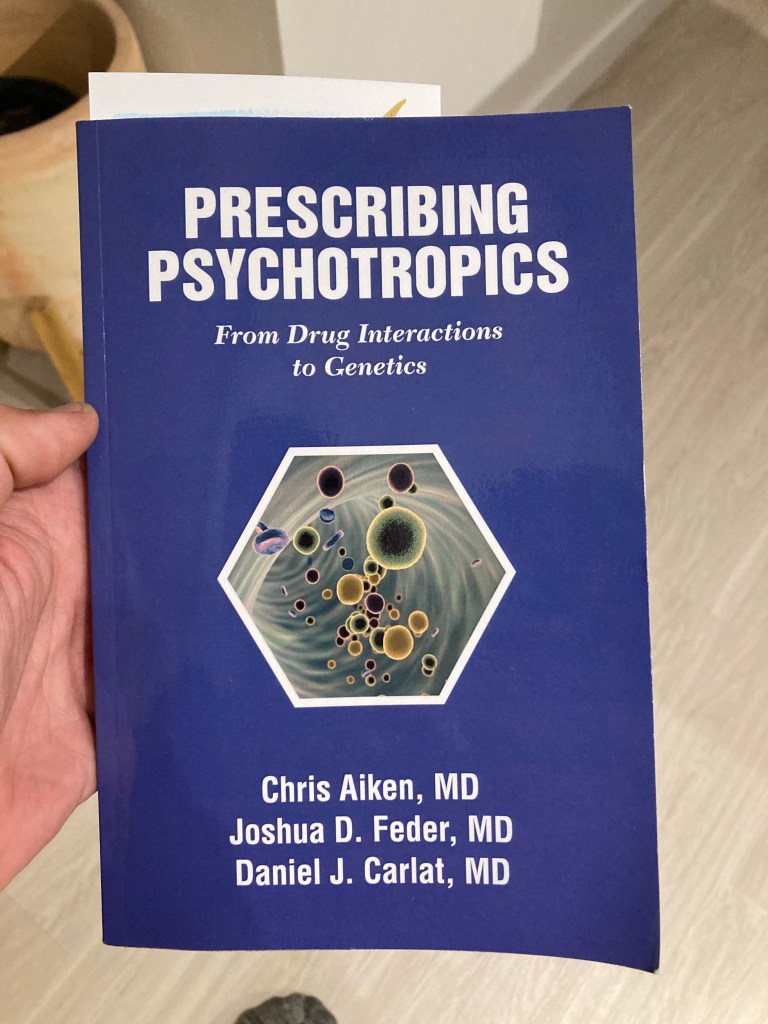
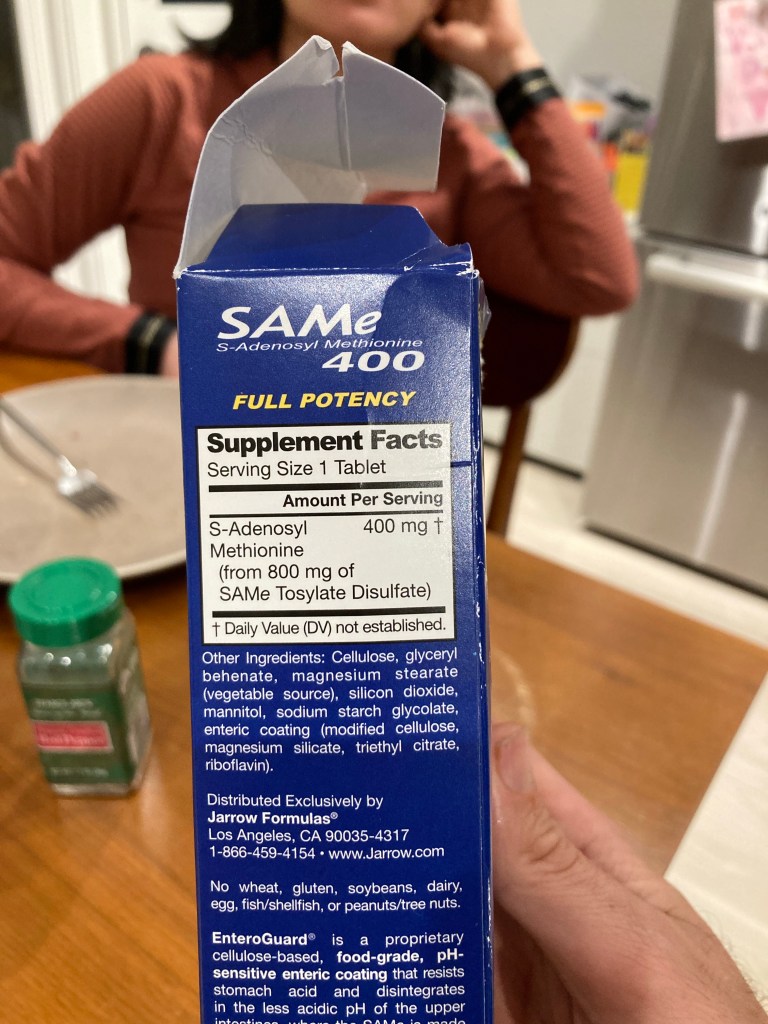
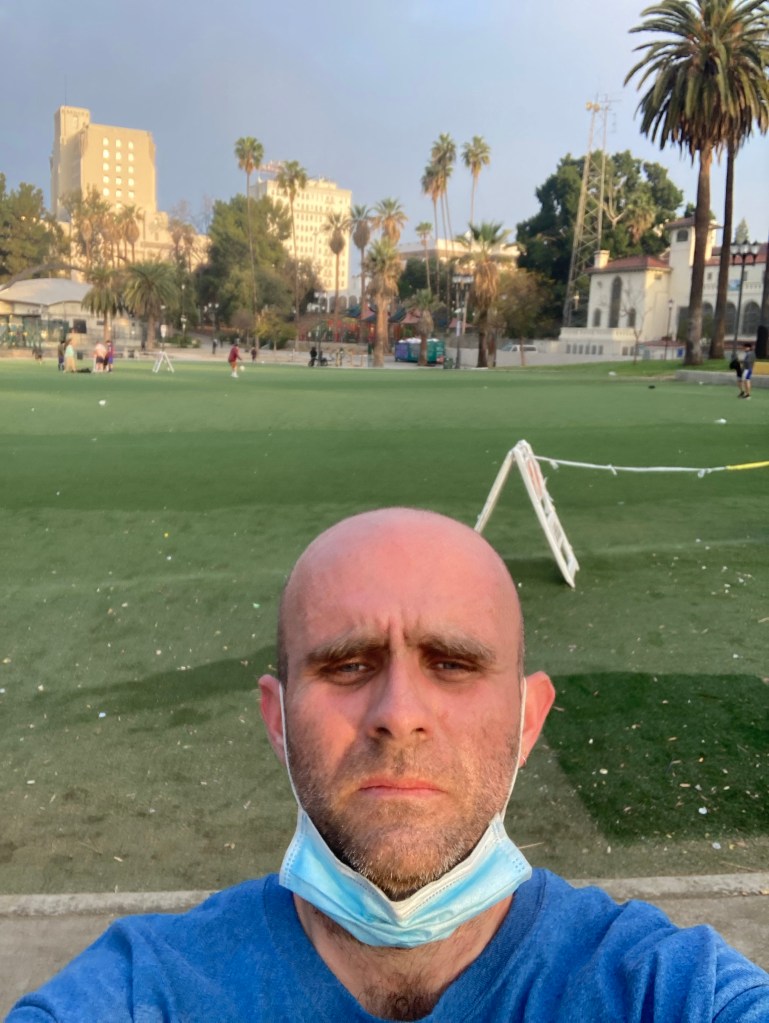
Kayaker-fisherman emerging from the Pacific Ocean at Gaviota Beach. He had a way to pedal with his feet while fishing with his hands. Blue Mind- the power of the ocean? I agree we should engage much more with the oceans, the forests…A more accurate wall map from The Future Mapping Company – Jim Tobias will like this one. Africa and Brazil are so big. Some light reading. What kind of evidence is underlying SAMe, s-adenosyl Methionine for depression or other ailments?After a pickup soccer game this morning in Ktown, Los Angeles, I was limping a bit. Thanks to Jose and others for letting me play!
Thanks for reading my blog entry! If you enjoyed this blog post, please feel free to leave a reply below or share with others. And remember, my website is always free.
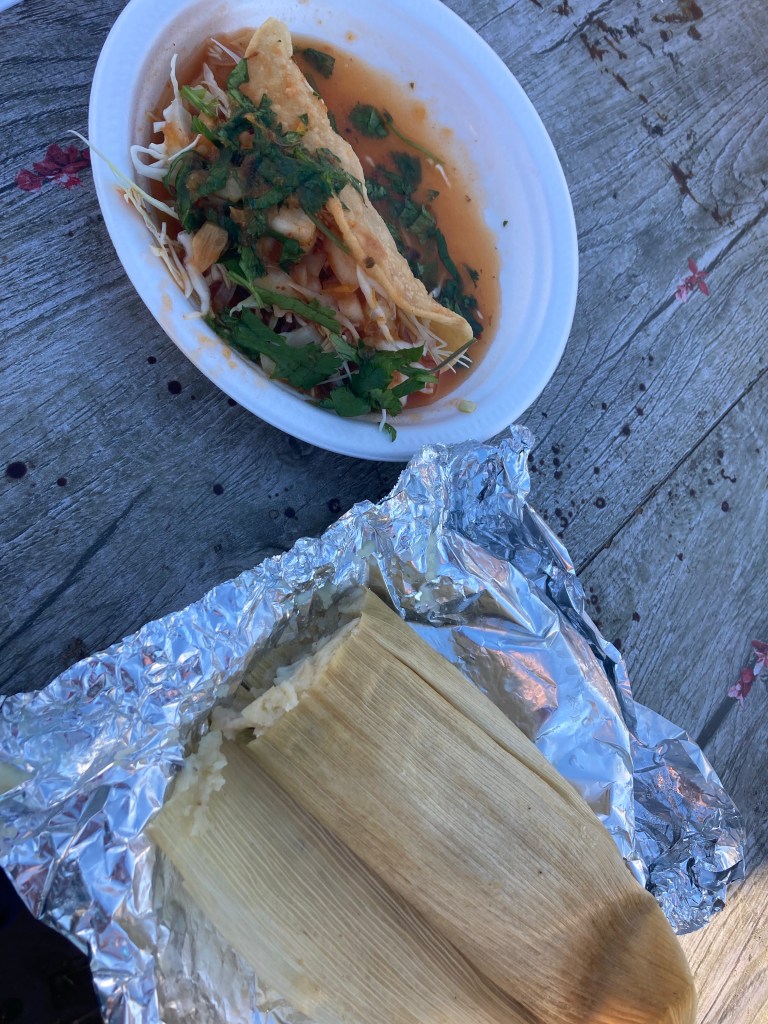
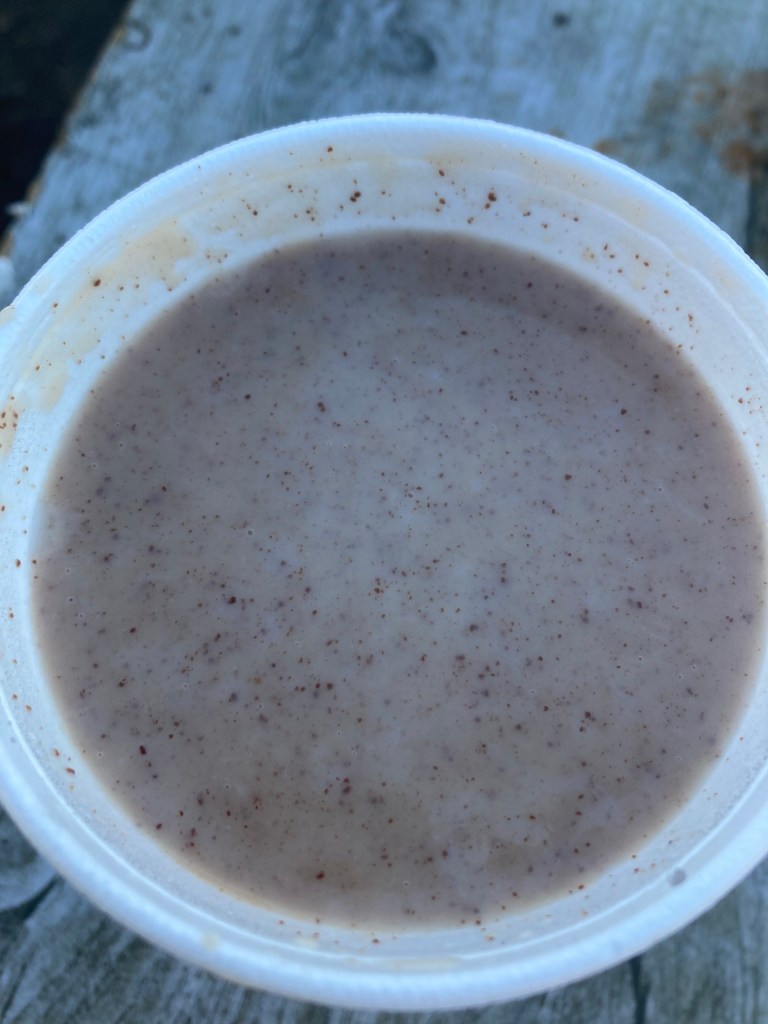
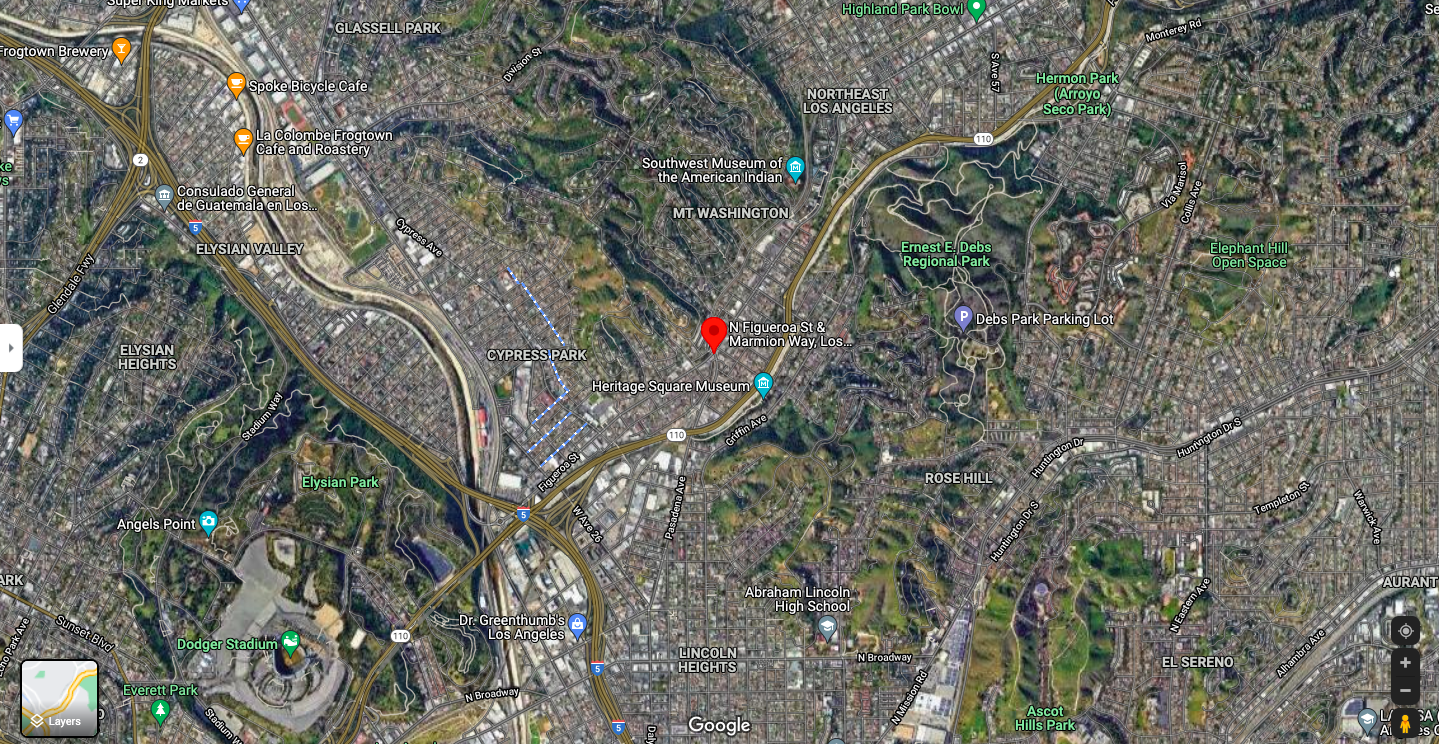
Today I had a great day, which started with a 10 mile walk/jog from Koreatown to Pasadena to see my friends Seth Goldman and Megan Tan. About five miles into the walk, I stopped at a tamale and taco stand run by Nidia, originally from Sinaloa, Mexico. I bought a potato taco and a cheese tamale to start with. The potato taco was covered with cilantro and very spicy with chile (my fault, not Nidia’s), but it was scrumptious. I needed a whole bottle of water to cool down. The tamale was piping hot, with a bit of green pepper and hunks of delicious cheese. I also had a drink called champurrado, which is made from chocolate, water, milk, and cinnamon. Nidia really knows how to cook, for anyone who is headed toward Marmion Way and N Figueroa Street, Los Angeles.
The tamale was hot; the taco was delicious and spicyThe champurrado was worth it!Nidia’s tamale stand is located on Marmion Way and N Figueroa Street
Why walk/jog 10 miles along busy roads in the “City of Angels” known for its cars? As always, I wanted to view the landscape in a different perspective. After seeing the many ways the land and people varied, from tents for the homeless along the sidewalks of Ktown to the million dollar mansions of Pasadena, I have a new respect for the geography and history of this land we call “Southern California.” I was refreshed by Nidia’s cooking. And I made other interesting stops along the way, before I climbed a long hill in Pasadena and met up with Seth and Megan. Then, in their backyard, we could relax, eat oranges, and chat about such topics as psychiatry; the metaverse; and public schooling.
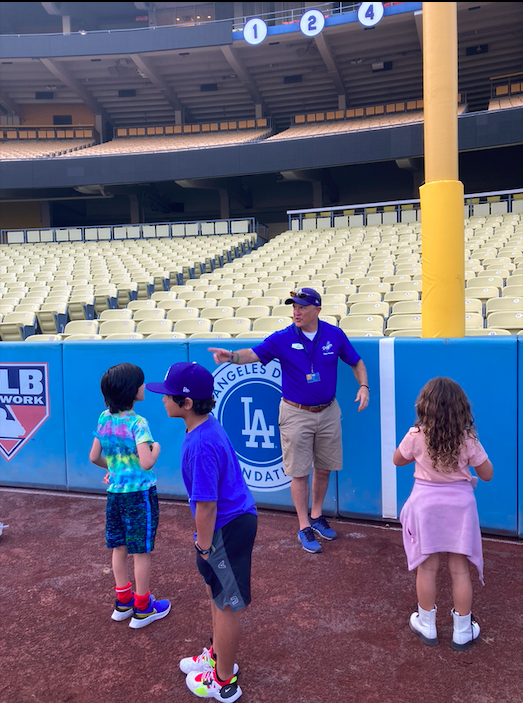
The rest of the day was terrific as well in my search for the Great Spirit. We had some good family time. Later on, my son Joe and I had a two-hour tour of Dodger Stadium in Chavez Ravine, which was a fun, yet complicated experience, given the history of the neighborhood (see the album by Ry Cooder which describes Chavez Ravine’s destruction to build the stadium).
We also saw Jackie Robinson’s 1949 National League MVP award before we went into the Dodger’s clubhouse and on the field. Seeing Robinson’s award and photo, knowing what he went through to advance racial justice, was worth the admission price in and of itself.
Jackie Robinson’s MVP award, 1949Joe on the field at Dodger Stadium with a couple other kids and our tour guide, Justin
Tomorrow we’re borrowing my brother-in-law’s hybrid and will drive to Carmel to see friends Mars Gunja and Jayun Cho. Hopefully there will be an opportunity to get out of the car and walk in the grass.
So what did I learn from my 10 miles crossing LA and Pasadena? I have some blisters. Also, the bottom line is, to find the Great Spirit, we have to pound the pavement and keep asking questions.
Thanks for reading my blog entry! If you enjoyed this blog post, please feel free to leave a reply below or share with others. And remember, my website is always free. Below, the fiddle tune I recorded, “Five Miles from Town.”
Well here we are, settling in, in Koreatown, LA. I say settling in, but I’m actually awake at 4 AM because of jet lag. Oh well…
It was an uneventful flight southwest across the United States last night. A smooth ride. But in other ways it was shocking – our first flight in three year, because of the pandemic. A decade ago, I used to fly all the time. Back and forth from Atlanta to Johannesburg, 16 hours each way. And to other places – India, Peru, Cuba. I remember few of those flights – they were a blur of bad movies and leg squats in the galley and cranapple juice and Diet Coke.
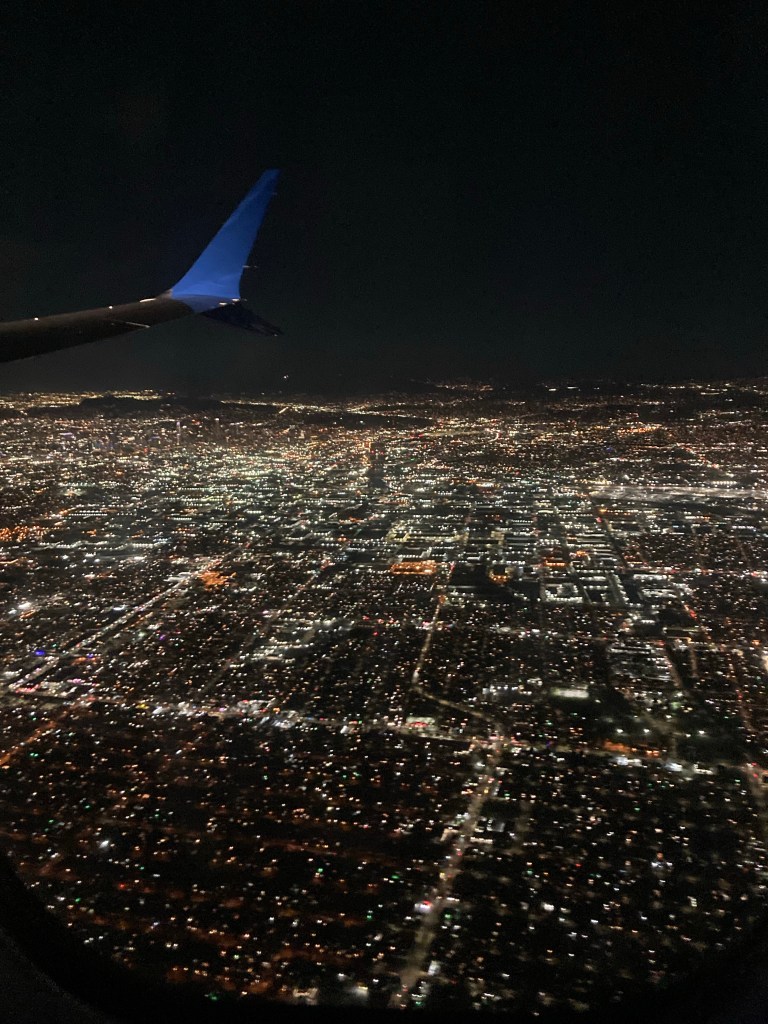
Last night, descending toward “California”
On our flight to LAX last night I did some reading, some writing, some relaxing, and some thinking. I didn’t have any major insights or epiphanies, that’s for sure. I just enjoyed being in the air, suspended in time and space, masked when I used to be maskless, following my compass as always.
And then gradually, we began to descend toward the City of Angels. That’s always a subtle moment, feeling the thrust go down. And then I remembered her. My patient, suffering. Out inequitable society the reason, the indifference to her plight, and that of her daughter. My own indifference. I tried to help, then turned away to my own affairs.
Drink another Diet Coke. Watch Erik the flight attendant as he cheerfully works the aisle. See the different types of masks on the passengers, and wonder about that young couple wearing N95s, surgical masks, and eye protection. Is one of them immunosuppressed, I think, as I take off my mask to get a sip of my drink. And none of us were tested to get ok this flight! And no vaccine mandate! What’s going on here?
Ultimately it comes down to the people. Who they are. Their life experiences. Their hopes. Their disappointments. Their biases. In Logan, before we boarded the United flight, Joe took out his violin. He spent about 10 minutes fingering a Suzuki Book 1 song, Gavotte, and played it, pizzicato, quietly.
His public musicality reminded me of the night I spent in the Atlanta Hartsfield Jackson International airport many years ago, during an odd layover, with an old acoustic guitar, just doing some Dave Van Ronk style fingerpicking. And trying to go to sleep on a bench.
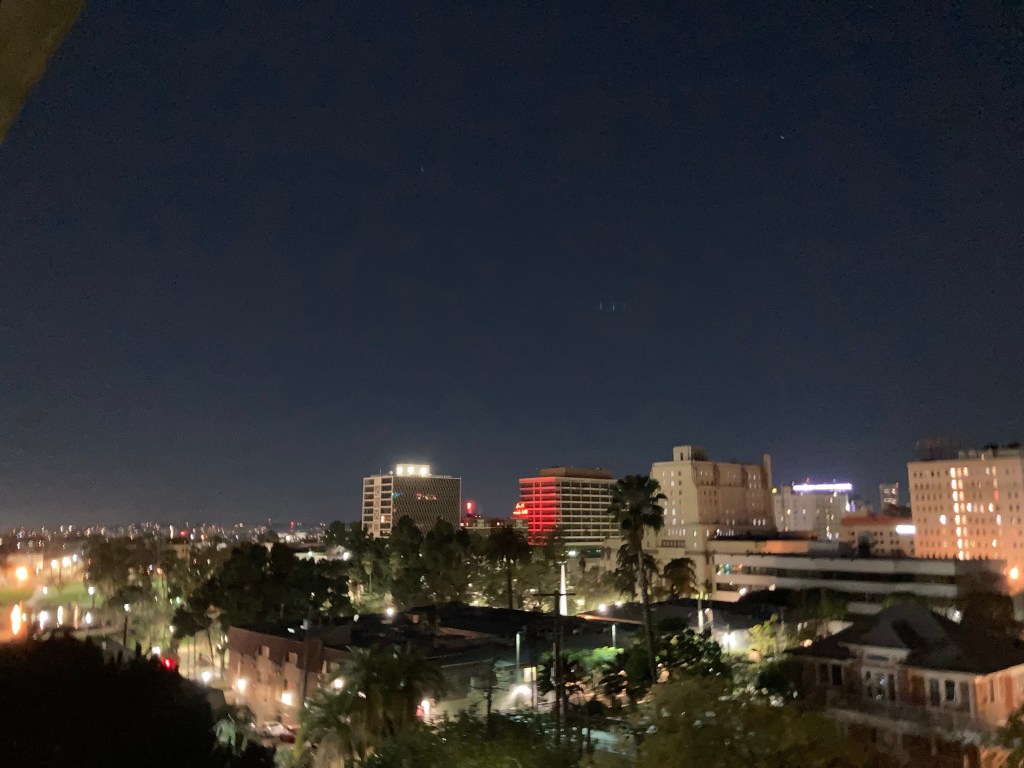
Well here I am now, awake in Los Angeles. The big buildings, the cars, the palm trees, the aloe vera, the cactus. And I have memories of my three years in nearby San Diego on my sleeve. Boston seems a lifetime, a million miles away.
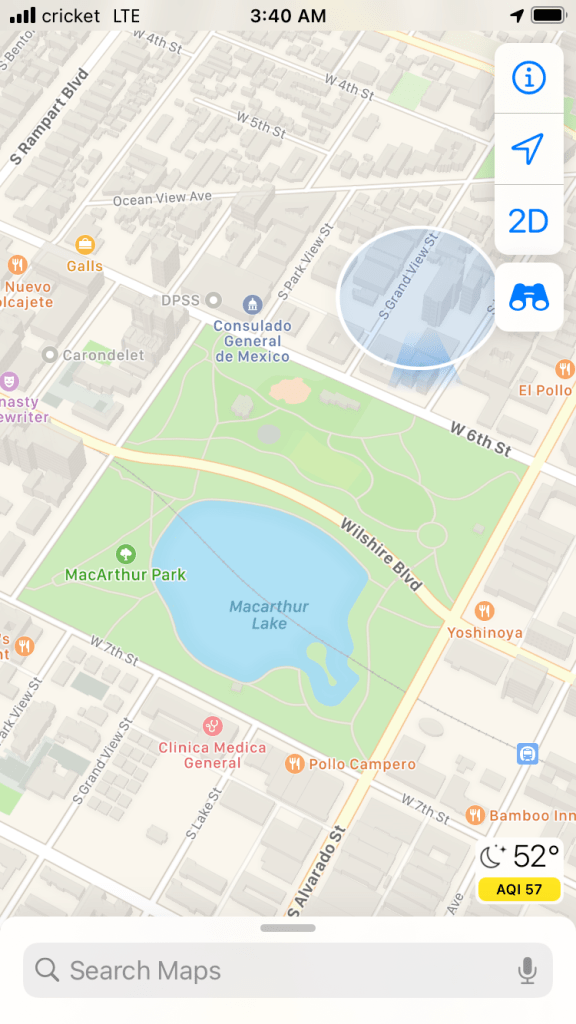
We’re staying near MacArthur Park, South Grand View Street and 6th Street. And I’m thinking of a short story I could write – “My Search for the Great Spirit in California.”
We are flying to California tonight! Our schedule is here if anyone wants to follow along and meet up with us. I’ll try to blog along the way.
Today, I want to write about tixagevimab with cilgavimab (Evusheld) for the prevention of COVID-19. This is the AstraZenica product authorized under the Food and Drug Administration’s EUA in December 2021. It is aimed toward patients with moderately to severely compromised immune systems due to a medical condition or due to taking immunosuppressive medications or treatments who may not mount an adequate immune response to COVID-19 vaccination.
One example of a patient looking to take tixagevimab with cilgavimab is Dr. Brian Koffman, a 70-year-old retired family physician in Chula Vista with chronic lymphocytic leukemia. His immunosuppression puts him at risk for severe COVID, and the vaccine series is likely less effective. The Evusheld may help prevent the severe covid.
It’s an interesting monoclonal antibody combination. One recent study in Science Translational Medicine found that the drug may provide up to 12 months of protection and benefit individuals at high-risk of COVID-19. These are pharmacokinetic predictions, not 100% proven, but they may turn out to be the case.
There are potential downsides to Evusheld. First is that results from a clinical trial suggest a possible increased rate of adverse cardiac events in individuals with cardiovascular risk factors. Examples of serious adverse events were myocardial infarction and congestive heart failure, but it is unclear if the monoclonal antibodies caused the cardiac events. I haven’t seen the number needed to treat versus number needed to harm for the medication, and we need to monitor this closely.
Second is that the efficacy of the combination against the Omicron variant remains uncertain. More studies are needed as Omicron evolves, particularly the new lineage BA.2. (This new lineage may be decreasing activity of another COVID medication, sotrovimab, although the manufacturer estimates that the medication will still be active against BA.2).
A question raised is who will get the preventive treatment with tixagevimab with cilgavimab – people with education and resources, or marginalized, underserved populations. A health equity approach is needed to ensure that the potentially lifesaving medication is fairly distributed.
Thanks for reading my blog entry! If you enjoyed this blog post, please feel free to leave a reply or share with others. And remember, my website is always free. Below, the fiddle tune / music video I recorded in 2014, “Snakewinder.”
Today, I’m going to write a bit about the new Pfizer study published in the New England Journal of Medicine, nirmatrelvir plus ritonavir (Paxlovid) for for high-risk, non-hospitalized adults with COVID.
This was a double-blind, randomized, controlled trial of 2246 patients comparing oral nirmatrelvir plus ritonavir to placebo. The study demonstrated that nirmatrelvir plus ritonavir resulted in a risk of progression to severe Covid-19 that was 89% lower than the risk with placebo (relative risk reduction). There were no evident safety concerns with the medication, just mild dysgeusia (a taste disorder) and diarrhea in a small percentage of patients. The study was a slam dunk, right? An oral, small molecule drug that is highly effective against severe COVID!
In an accompanying editorial, Drs. Eric Rubin and Lindsey Baden (my attendings from infectious diseases fellowship at Brigham and Women’s Hospital), discuss the implications of the trial. They remind us that nirmatrelvir is a protease inhibitor, similar to the class of medications used to treat HIV. The ritonavir helps boost the nirmatrelvir levels, just like ritonavir boosts lopinavir (Kaletra), an HIV protease inhibitor.
However, Drs. Rubin and Baden remind about the difference between absolute and relative risk reduction. Although the relative risk reductions were large (89%), those at lower risk had a very small absolute benefit. For example, in those who were SARS-CoV-2 seropositive at baseline, the absolute risk reduction was only about 1 percentage point. Therefore, the greatest absolute benefit is among those at highest risk. You can calculate the number needed to treat from the absolute risk reduction.
Also of importance – the study was performed when Delta was the main circulating variant, so we don’t know how nirmatrelvir might perfom against Omicron or emerging variants. Resistance will also likely be an issue, the editorialists also write.
The antiviral should be given within 5 days after symptom onset (ideally sooner after infection). It should be reserved for patients with the highest risk for disease progression, particularly those with multiple and serious coexisting conditions and those unable to mount sufficient immune responses (on cancer chemotherapy, etc).
Most important are equity and rationing concerns, because supplies are currently quite constrained. Will public health authorities be able to direct Paxlovid to the most marginalized, underserved communities where it is needed the most?
Given the history of vaccine inequity, and the general brokenness of America’s health system, I highly doubt that will be the case. The people with the most resources will get the best treatment. To address our health care crisis, we need a nonprofit single payer / Medicare-for-all. I encourage everyone to join the movement for health and racial justice.
Thanks for reading my blog entry! If you enjoyed this blog post, please feel free to leave a reply or share with others. And remember, my website is always free. Below, the fiddle tune “Bound to have a Little Fun.”
Our California trip is at T-2 days! Today, I’m going to write just a bit about the article which appears on the cover of The Lancet, Global burden of bacterial antimicrobial resistance (AMR) in 2019, a systematic analysis, by Christopher Murray from the University of Washington and colleagues. In the study, the authors estimated deaths and disability-adjusted life-years (DALYs) attributable to and associated with bacterial AMR for 23 pathogens and 88 pathogen–drug combinations in 204 countries using predictive statistical modeling. The researchers found an estimated 4.95 million deaths associated with bacterial AMR, including 1.27 million deaths attributable to bacterial AMR. The six leading pathogens for deaths associated with resistance (E. coli, followed by S. aureus, K. pneumoniae, S. pneumoniae, A. baumannii, and P. aeruginosa) were responsible for 929,000 deaths attributable to AMR. MRSA was particularly deadly, and the authors describe data gaps in many low-income settings. There is a major need to expand microbiology lab capacity along with public health surveillance.
For anyone who has done clinical work in a low income setting, these results come as no surprise. It’s been several years since I took care of patients in Mozambique or Mexico, but I remember well patients who had MRSA or other bacterial infections and suffered from a delayed diagnosis. AMR is truly a silent emergency, even in high income settings like the United States. AMR disproportionately affects poor individuals who have little access to second-line antibiotics that could work when first-line drugs fail.
What about vaccines? Of the bacterial pathogens covered in this study, only pneumococcal pneumonia is preventable through vaccination. We need new vaccines, such as a S. aureus (and therefore MRSA) vaccine, but that won’t be happening next week.
The burden of resistance partly reflects the insufficient access to antibiotics. And the true burden of resistance could be greater than that estimated in this study, as new superbugs emerge. The editorialist concludes that leaders must take seriously the importance of addressing AMR and the challenge of access to affordable, effective antibiotics. There is work being done on AMR, such as that of Kevin Outterson and colleagues at Boston University, but much more progress needs to be made.
Like any health issue facing the world’s poor, it’s all about money. Do the lives of the poor matter as much as the lives of the rich? Where are the health equity advocates, and why aren’t we speaking out effectively, with one voice?
Thanks for reading my blog entry! If you enjoyed this blog post, please feel free to leave a reply or share with others. And remember, my website is always free. Below, the song “Back Home in Indiana,” with Stuff Smith as the violinist on the recording.
Our flight from Boston to Los Angeles takes off in 3 days! We have a lot to get done before then.
Today, I decided to share a new article, Survival with Cemiplimab in Recurrent Cervical Cancer, from the New England Journal of Medicine. The first author of the study, Dr. Krishnansu Tewari, is from UC Irvine and the last author, Dr. Ana Oaknin, is from Barcelona.
Of course recurrent cervical cancer portends a poor prognosis. This study looked at Cemiplimab (Libtayo, Regeneron Pharmaceuticals) to see if it had an impact on survival. This is a PD-1 inhibitor previously approved to treat non small cell lung and basal and squamous skin cancers. This study was a randomized trial of 608 women and the researchers found that median overall survival was longer in the cemiplimab group than in the chemotherapy group (12.0 months vs. 8.5 months. The authors concluded that survival was significantly longer with cemiplimab than with single-agent chemotherapy among patients with recurrent cervical cancer after first-line platinum-containing chemotherapy.
My thoughts are this was a reasonably well conducted randomized trial (funded by Regeneron and Sanofi). Immune mediated adverse reactions, which can be severe, were not a major issue in this study. Grade 3 adverse events were actually more common in the standard of care arm than the cemiplimab arm. This very expensive drug lengthened life by a few months, which is consistent with what we see in many oncology clinical trials.
However, I’m an “apple a day” kind of doctor, so I’m more interested in preventing cervical cancer than treating it once it’s advanced. And 85% of worldwide cervical cancer deaths occur in settings with limited resources. Globally the issue is screening for cervical cancer is rarely available. Access to colposcopy and cytology are very limited in many countries, so instead public health experts recommend HPV testing and visual inspection. Another preventive method is HPV vaccination, which is effective in preventing cervical disease, including cervical intraepithelial neoplasia (CIN2 or 3) and adenocarcinoma in situ.
So the question for the economists is, how should we spend our “cervical cancer money” globally? On a PD-1 inhibitor which gives a few more months of life, or screening and vaccine programs which could prevent many cases of his disease?
Thanks for reading my blog entry! If you enjoyed this blog post, please feel free to leave a reply or share with others. And remember, my website is always free.











 Philip A. Lederer