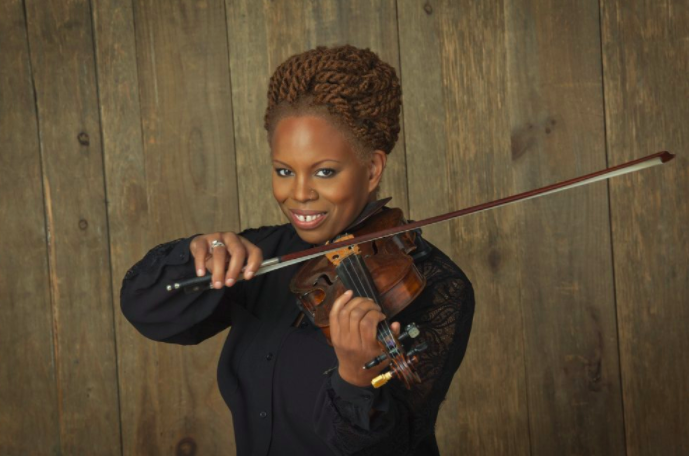
We are lucky here in Boston, because there are two top violinists coming to Massachusetts the weekend of March 26-27. I am thrilled to have a ticket to see classical virtuoso Itzhak Perlman in Worchester on the evening of March 26. I am also planning to attend the jazz superstar Regina Carter concert in Boston on March 27. Hope to see you there! These two musicians really make their fiddles sing.
Itzhak Perlman – I believe I may have seen him perform when I was a child, in the late 1980s, but I’m not certainRegina Carter – who is right up there with Steffane Grappelli and Stuff Smith as one of the greatest jazz violinists of all time
Thanks for reading my blog entry. If you enjoyed this post, please leave a reply below where it says “enter your comments here.” If you would like to be on my email list, please type in your email address on this website where it says “enter your email address.” Then, click the red button which says “Follow.” You will receive a message and after you click it, and you will receive my daily blog posts.
We’ve all heard of Sigmund Freud, but today I wanted to ask the following question — what is modern-day psychoanalysis? I’ve been doing weekly sessions with Dr Azeen Khan for the past several months, and it’s been a very positive experience. Therefore, I wanted to dig a bit deeper into the rationale for this therapy. From Dr Khan’s website:
Psychoanalysis is an invitation to speak. With time, each person’s speech comes to be organized around what is difficult or impossible to bear and so speak about: one’s symptom.
Her analytic orientation is informed by the work of Sigmund Freud and the teachings of Jacques Lacan, as elaborated by Jacques-Alain Miller and other members of the schools of the World Association of Psychoanalysis (WAP). She is a member of the Lacanian Compass, an associated group of the New Lacanian School (NLS), one of the seven schools comprising the WAP.
A Lacanian psychoanalysis offers each analysand the possibility of inventing a new way of making do with their symptom. Through acts of speech addressed to an analyst, one can begin to find singular and satisfactory solutions to old and repetitive ways of being and responding.
My experience with psychoanalysis has been very positive, and I feel I am gradually changing. The therapist is there to listen, and rarely interrupts. Occasionally we come to what seems like a important point to emphasize.
Being in psychoanalysis has helped me cope with my fears. It has also helped me become a better doctor, I think. Because in the health center, remembering my own psychoanalysis sessions, I am forced to slow down and listen better to my patients.
Painting by my Aunt, Mary Ann Lederer
Thanks for reading my blog entry. If you enjoyed this post, please leave a reply below where it says “enter your comments here.” If you would like to be on my email list, please type in your email address on this website where it says “enter your email address.” Then, click the red button which says “Follow.” You will receive a message and after you click it, and you will receive my daily blog posts.
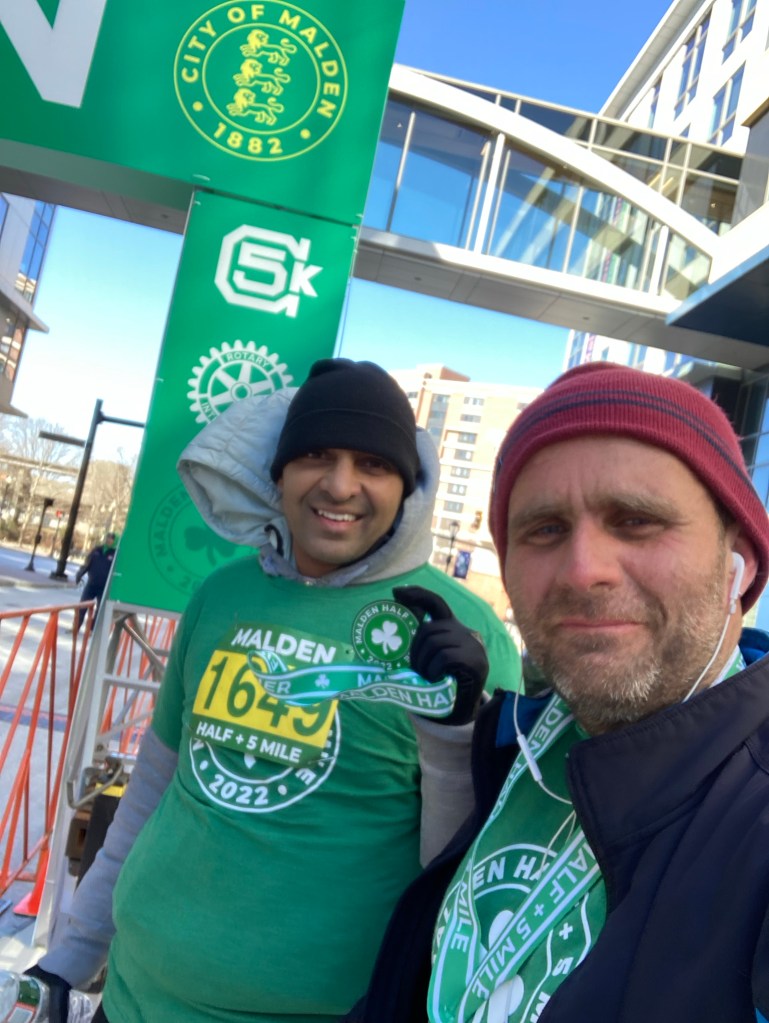
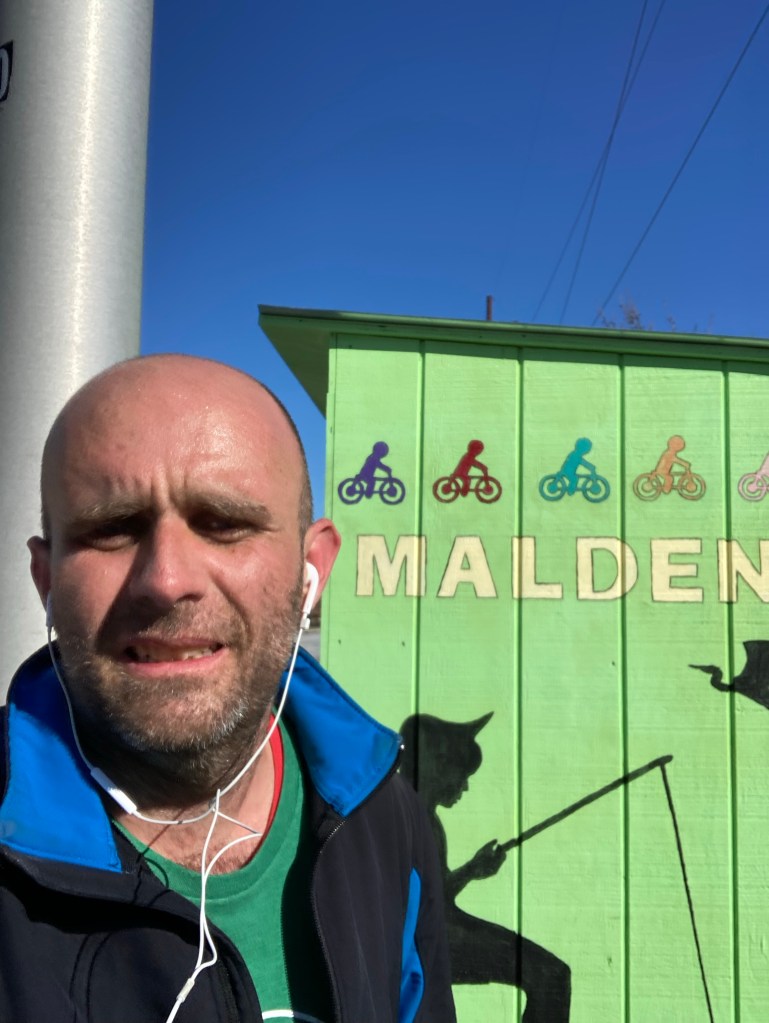
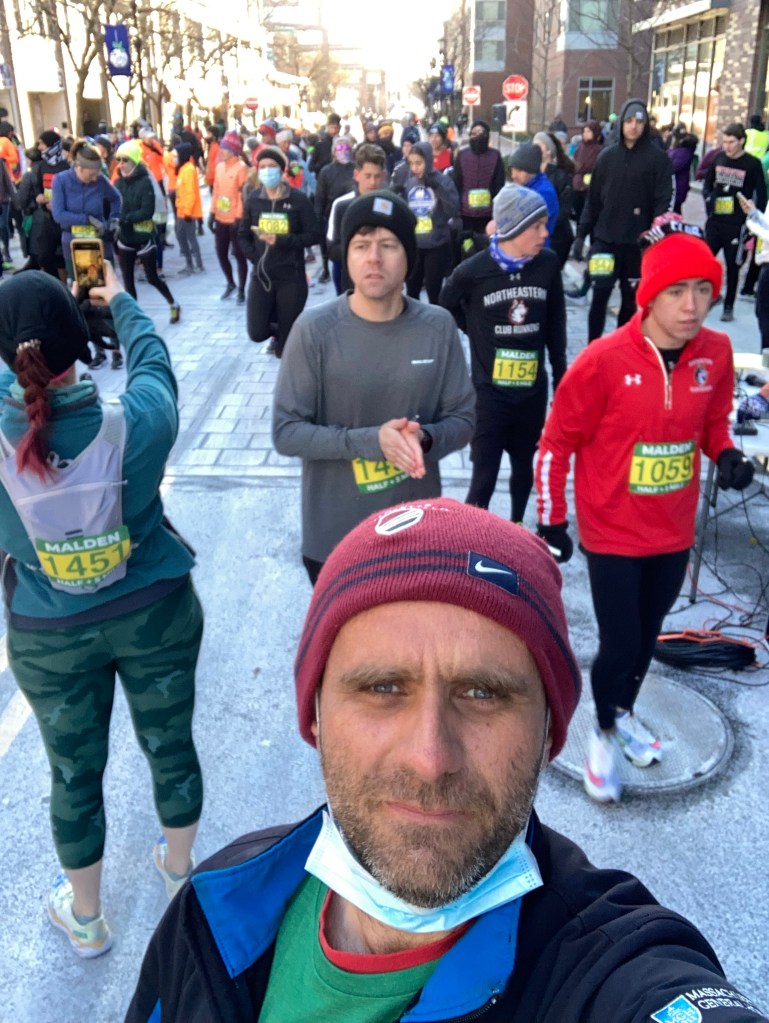
Yesterday morning, I woke up early and braved 21 degree weather to run a half- marathon in the city of Malden, just North of Boston. And it was all thanks to my friend, Peeyush Bhardwaj.
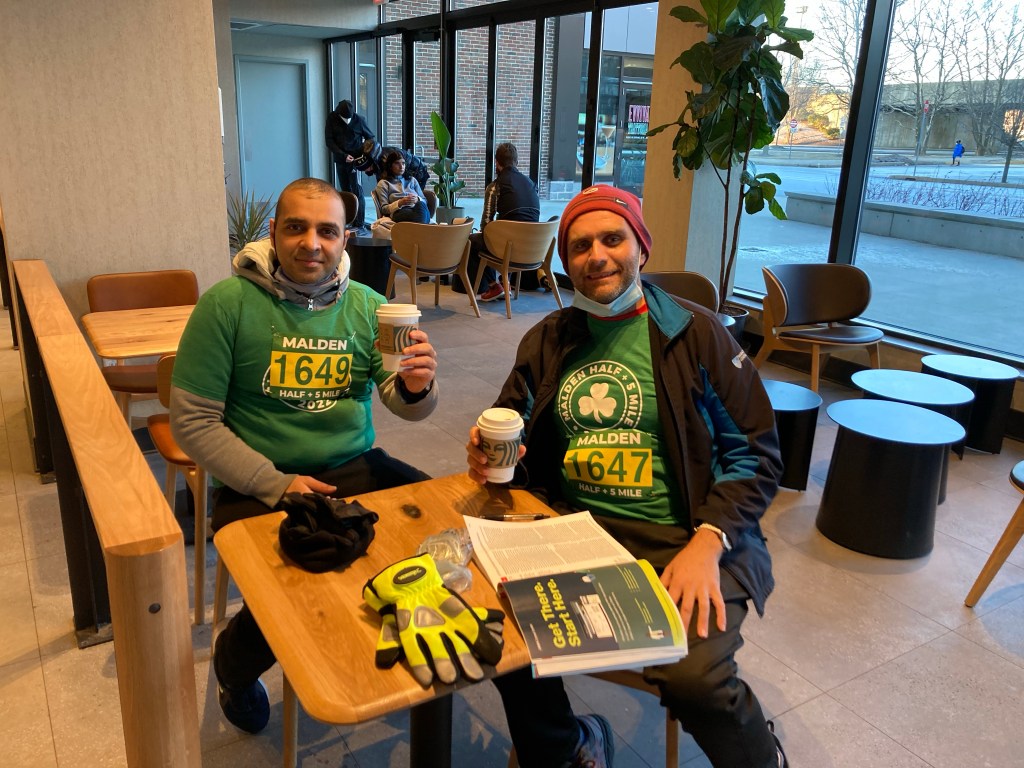
I met Peeyush a few month ago at the Jamaica Plain Park Run. He was funny and talkative, and we hit it off. On Saturday, he brought up the Malden 1/2 Marathon, and soon I decided to join him there.
Thankfully it gradually warmed up a bit as the sun came up and the race began. After a couple of hours, I even took my jacket off and ran in my tee-shirt. There also was one shirtless runner, and one barefoot runner. So it wasn’t *that* cold.
Peeyush and I did a lot of talking as we jogged, and I tried out different techniques to stay warm and not get stiff. I did a bit of dance-running, side-stepping, and even backwards running. That seemed to help my sore muscles a lot.
Before I knew it I was sprinting to the finish line. The race took me 2 hours, 41 minutes, and 23 seconds!
Thanks Peeyush!
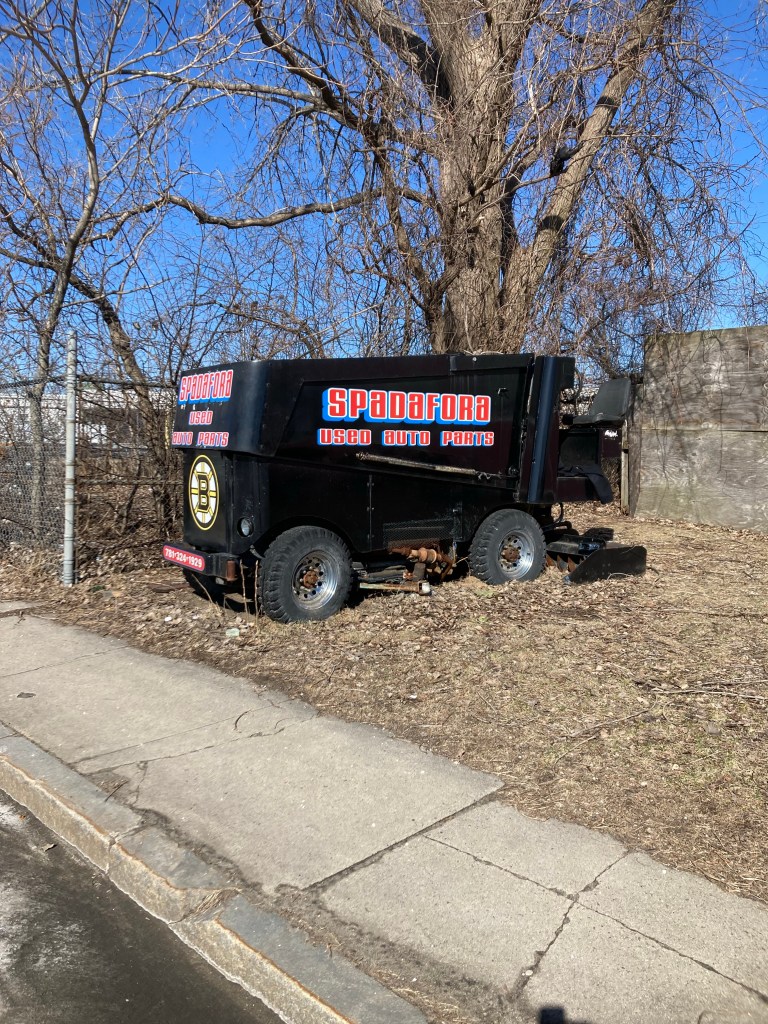
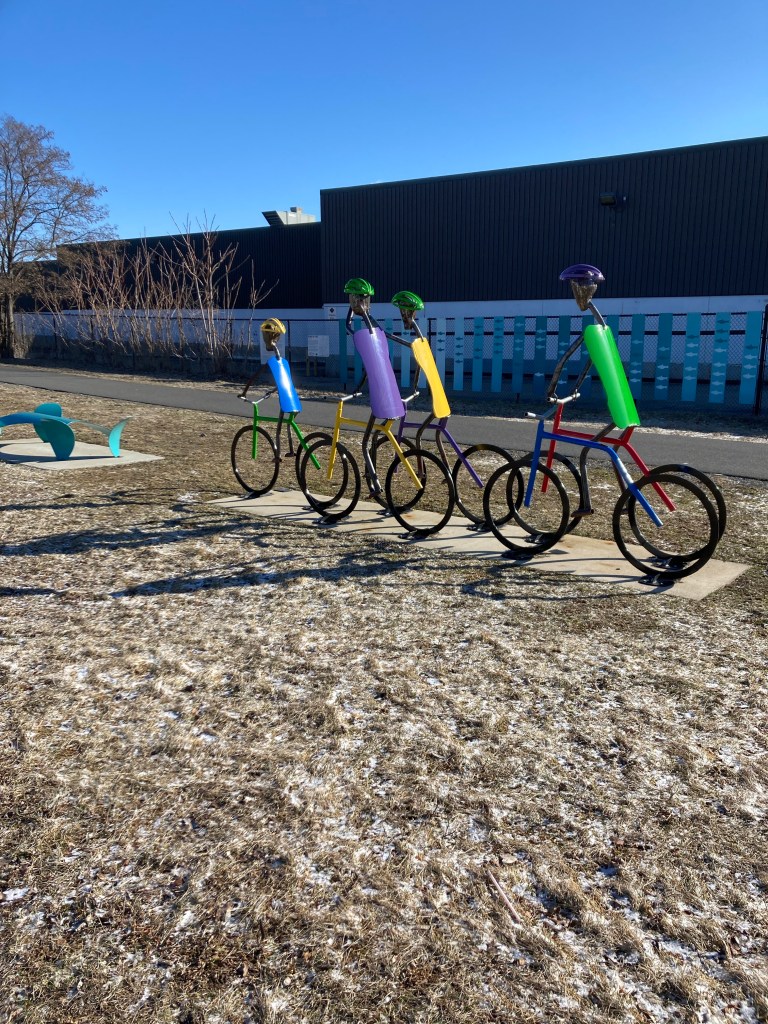
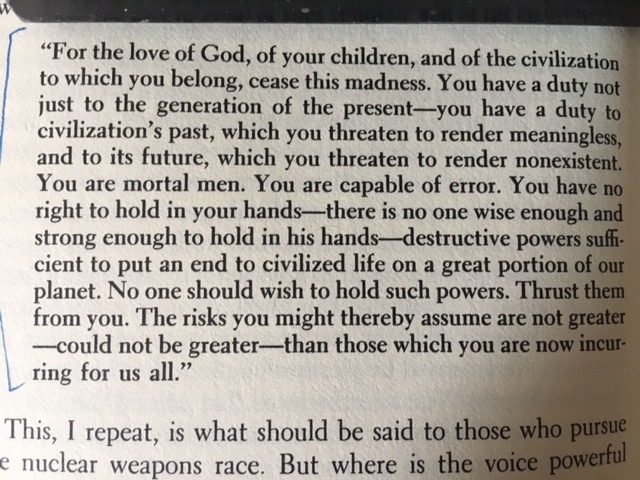
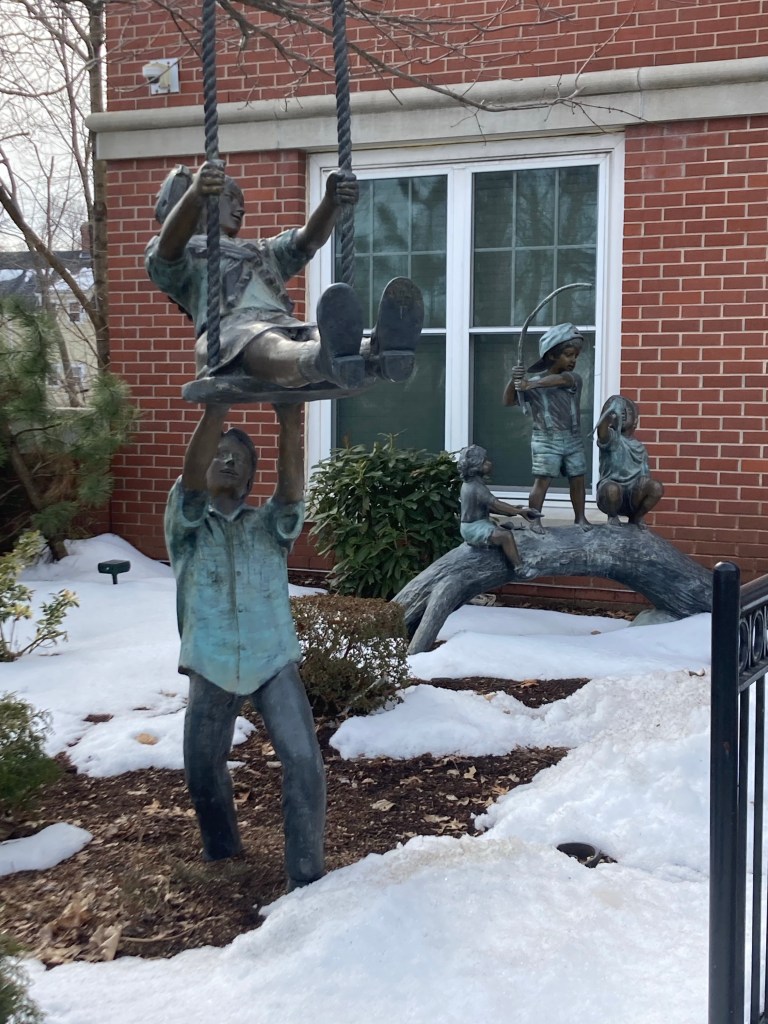
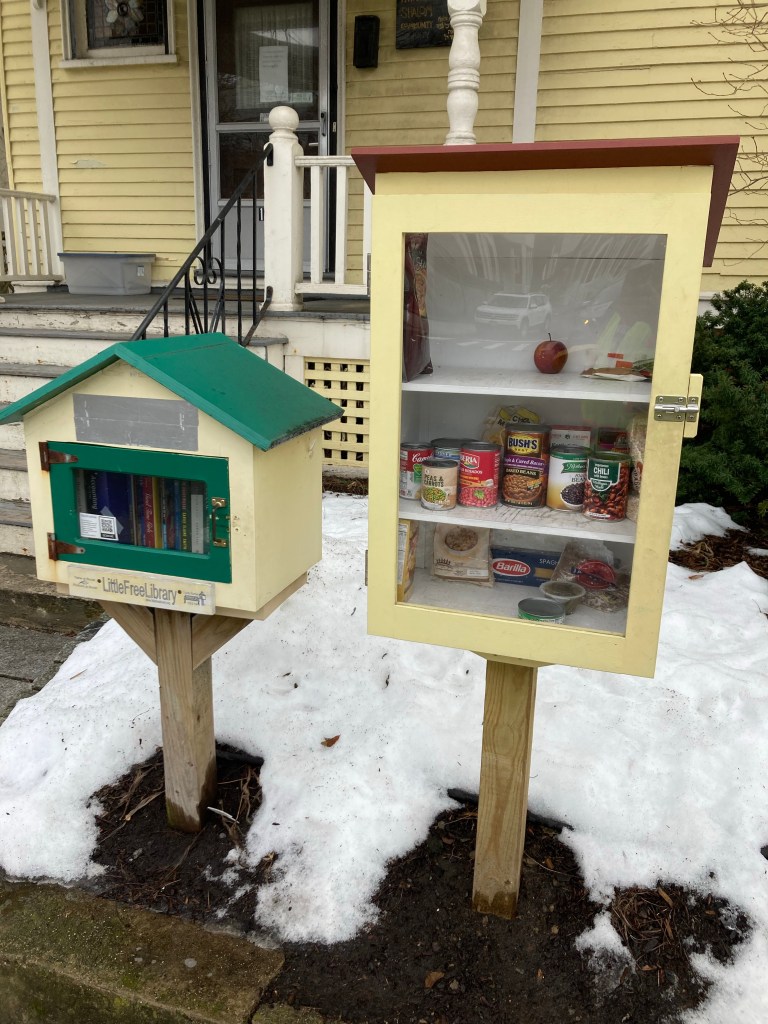
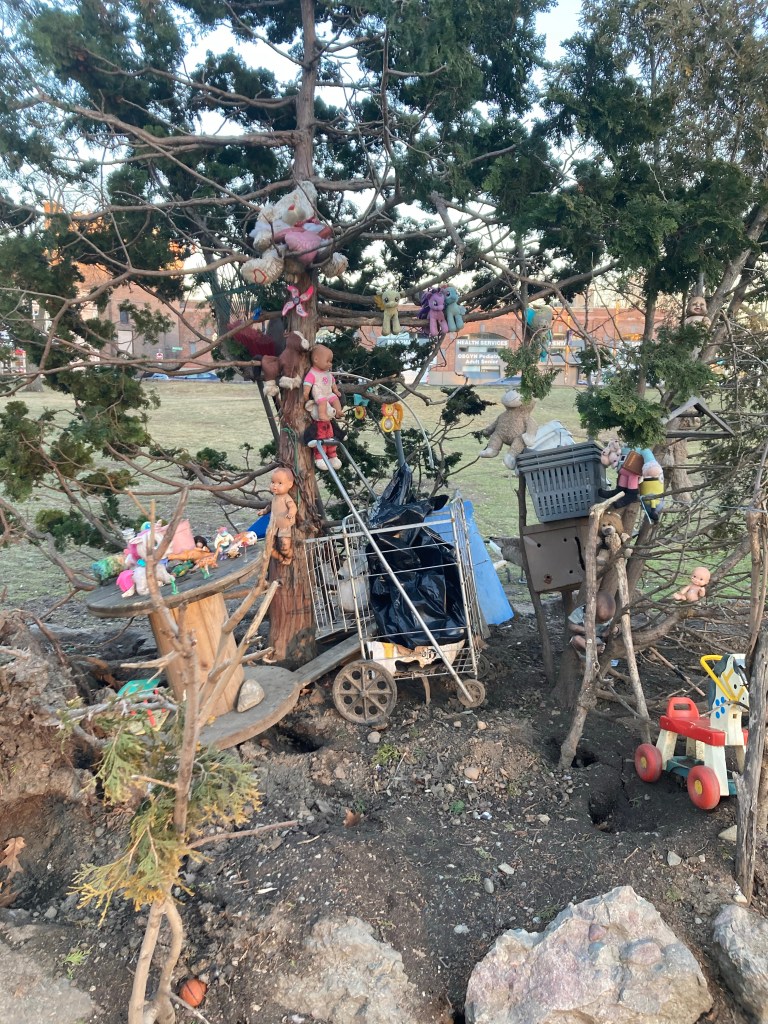
At the finish line, with Peeyush Bhardwaj. A good race!I left my jacket on this zamboni and ran in my tee shirt. About 7 miles in. A refrigerator with food for homeless people in MaldenBike sculpture Art en routeBefore the race it was very cold. Staying warm before the race. I could have satin Starbucks for 2:41:33 and drank hot chocolate… but I didn’t. Regarding Russia and nuclear weaponsWe must get rid of nukes globally, or we will always face a Holocaust
Thanks for reading my blog entry. If you enjoyed this post, please leave a reply below where it says “enter your comments here.” If you would like to be on my email list, please type in your email address on this website where it says “enter your email address.” Then, click the red button which says “Follow.” You will receive a message and after you click it, and you will receive my daily blog posts.
I was delighted to host a teaching session recently with 25 UC San Diego internal medicine residents, “Finding your writing voice.” I planned the hour as an interactive discussion of all types of creative writing, including fiction, narrative medicine, blogging, letters to the editor, and op-Eds. I talked about the work of Drs Abraham Verghese, Mark Vonnegut, and Paul Farmer, and ways to overcome writer’s block. I read my published essay “Health and Healing,” as well as an op-Ed draft I have been working on regarding the abolition of nuclear weapons.
The UCSD residents talked about the “imposter syndrome” they sometimes feel with their writing. They also discussed the idea of “the patient that haunts me,” a teaching conference started by Dr Joe Abdelmalek, a UCSD nephrologist. How do difficult patient interactions affect our mental health? We also talked about suicidality and how to maintain our mental health in medicine.
How can we support each other through writing and the arts and keep up our happiness? I will repeat the teaching session for another group of UCSD internal medicine in April. I’d be happy to give the talk to other groups – just contact me please.
Otherwise, things are going well in Boston. We have more snow, but that’s par for the course in Massachusetts in March. I ran a good 5K yesterday at the JP park run, 24:36. Today I am going to jog-walk the Malden 1/2 marathon, just as a training run. My plan is to take it slow, with two goals – not to get injured, and to finish the race if I can, before it is completed by the timers.
My next half-marathon after Malden is in Toledo on April 24, and I want to have as many good long runs as I can before then, to feel prepared. Today’s race is a 1/2 mile start, then five laps of a 2.5 mile course. My goal is to do each of those laps in 34 minutes, on average, which will bring me to the finish line in just under 3 hours. So my splits will be 40, 74, 108, 142, 176 minutes.
My last half-marathon was in 2017, and I ran it in about 2:05, but I was pushing hard. Since today is just a training race, I don’t plan to run hard. Here we go!
Finally- check out Dr James Hamblin’s recent piece in the New York Times about how trust in the CDC could be rebuilt. Although he didn’t really address what I consider to be the elephant in the living room (America’s wasteful, profit-driven $3 trillion health care system), it was one of the better essays I’ve read recently about why public health is failing. Single payer / Medicare for all, now!
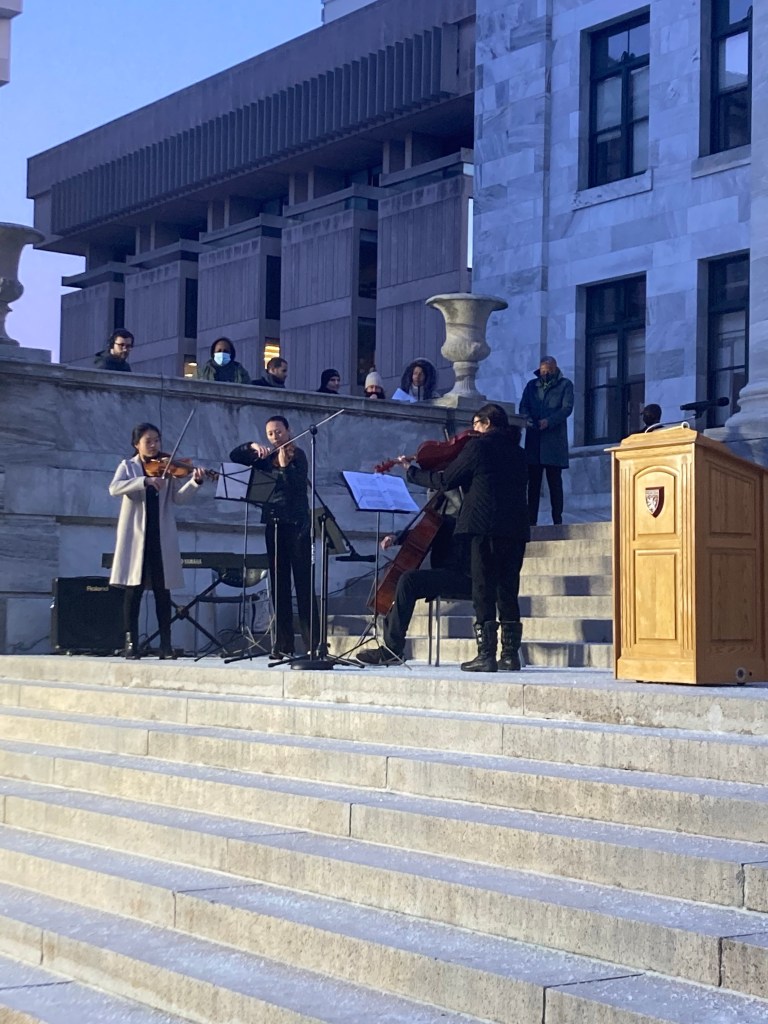
On the carpetHands on hips. Dr Lisa Wong and her quartet at the Harvard Medical School steps last week, during the Paul Farmer memorial service ComedianSi se puede
Thanks for reading my blog entry. If you enjoyed this post, please leave a reply below where it says “enter your comments here.” If you would like to be on my email list, please type in your email address on this website where it says “enter your email address.” Then, click the red button which says “Follow.” You will receive a message and after you click it, and you will receive my daily blog posts.
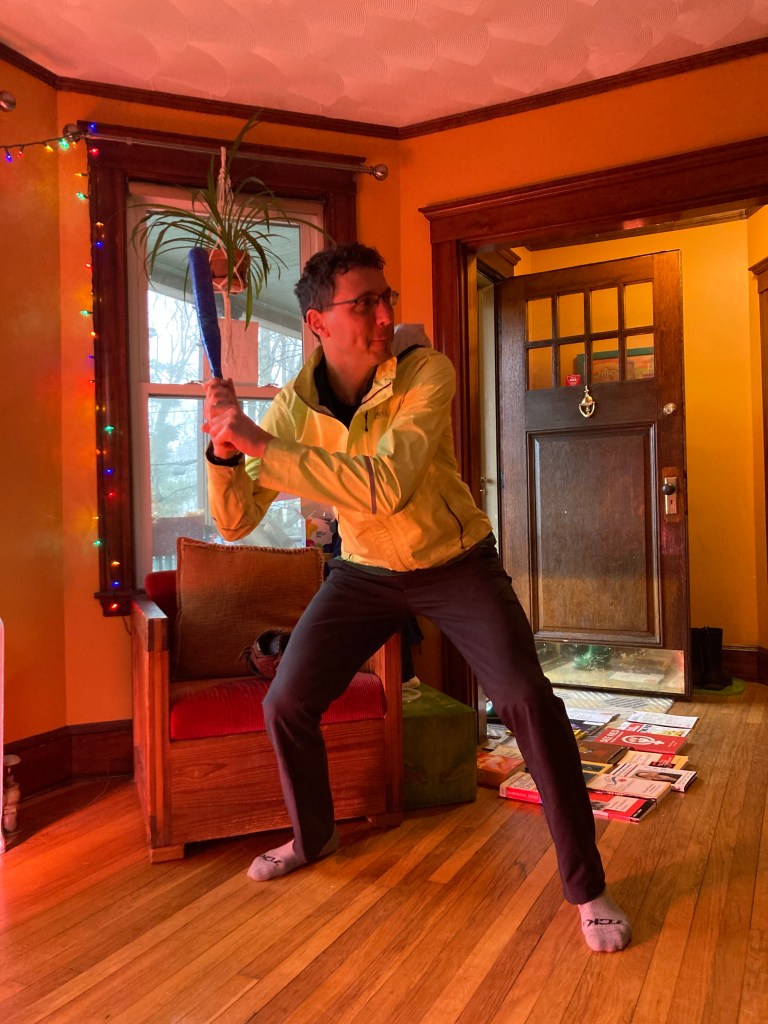
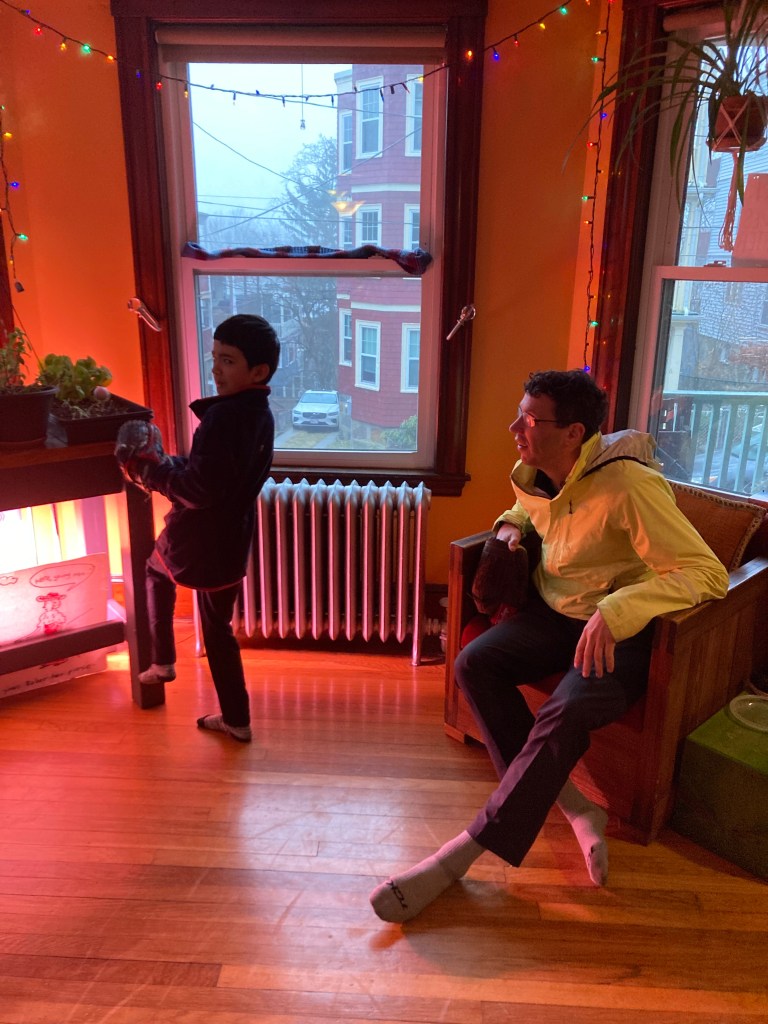
We are delighted to have a friend, Dr. Duncan Maru, visiting us in Boston this weekend. Not only is he a global health expert, but he’s also got a good swing— and knows how to bunt and run. No corked bats or steroids. Play ball!
Duncan Maru MD, PhD, from Mount Sinai School of Medicine. He learned to play in the Cape Cod League. Pregame
Thanks for reading my blog entry. If you enjoyed this post, please leave a reply below where it says “enter your comments here.” If you would like to be on my email list, please type in your email address on this website where it says “enter your email address.” Then, click the red button which says “Follow.” You will receive a message and after you click it, and you will receive my daily blog posts.
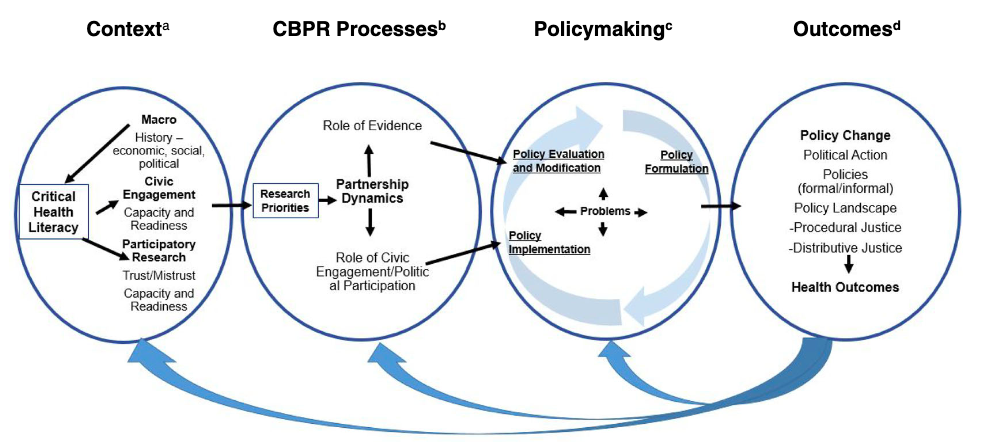
The researchers, led by Melissa Chinchilla PhD from AltaMed, in Los Angeles, were focused on health equity at the health center level. In the paper, they argue that Black, Indigenous, and People of Color are disproportionately impacted by health inequalities that continue to be shaped by structural racism.
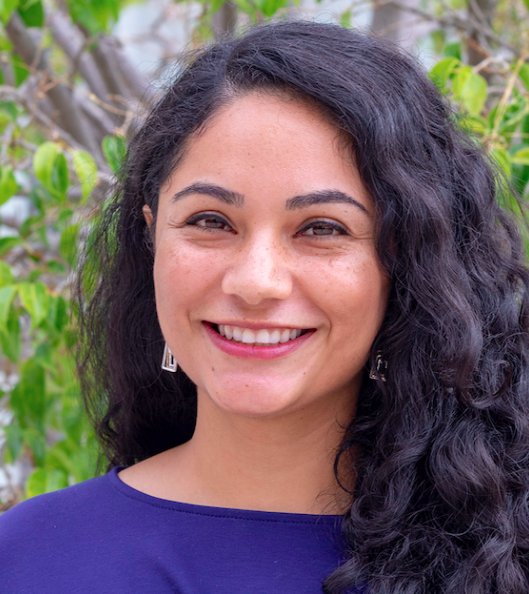
Melissa Chinchilla PhD
The study examined how a group of community health center stakeholders developed recommendations for how to embed community based participatory research (CBPR) in an ecosystem of community engagement to address health equity. Stakeholders viewed engagement in health equity research in a healthcare setting as requiring sustained internal and external relationships [emphasis mine].
The researchers’ model
I think those of us working in Boston Federally Qualified Community Health Centers could learn from Dr. Chinchilla’s research. We have the Massachusetts League of Community Health Centers, but could be doing a much better job collaborating between health centers, with on-the ground groups, public health officials, universities, etc. And as we build these relationships, we need to keep an eye on long-term collaboration.
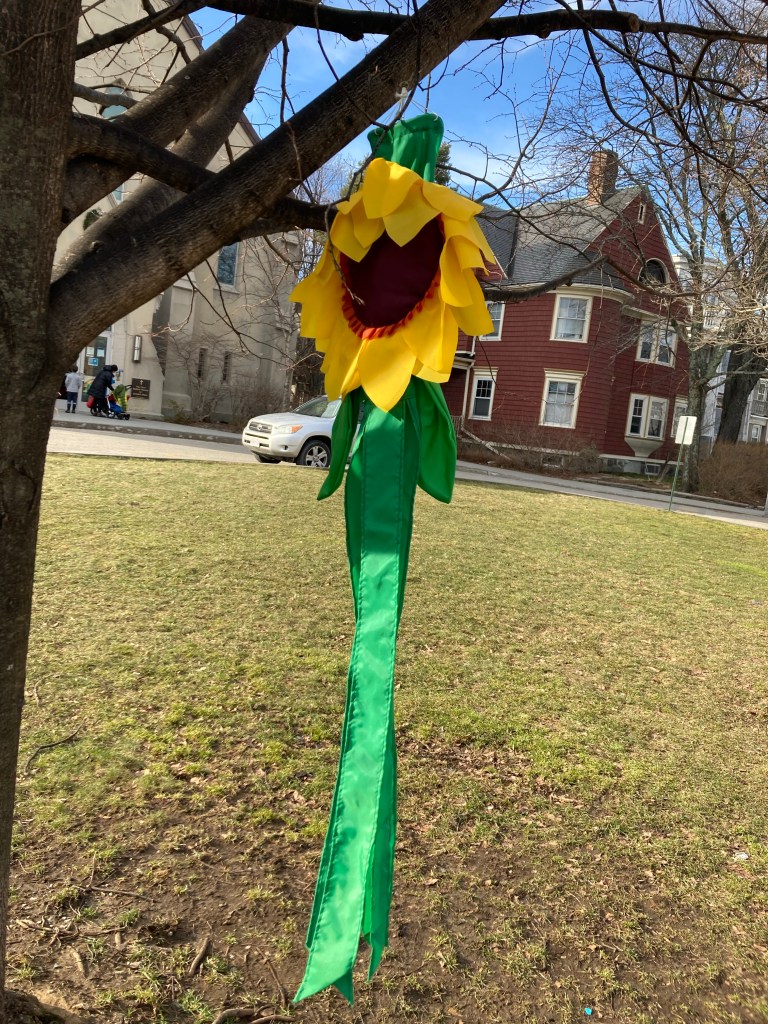
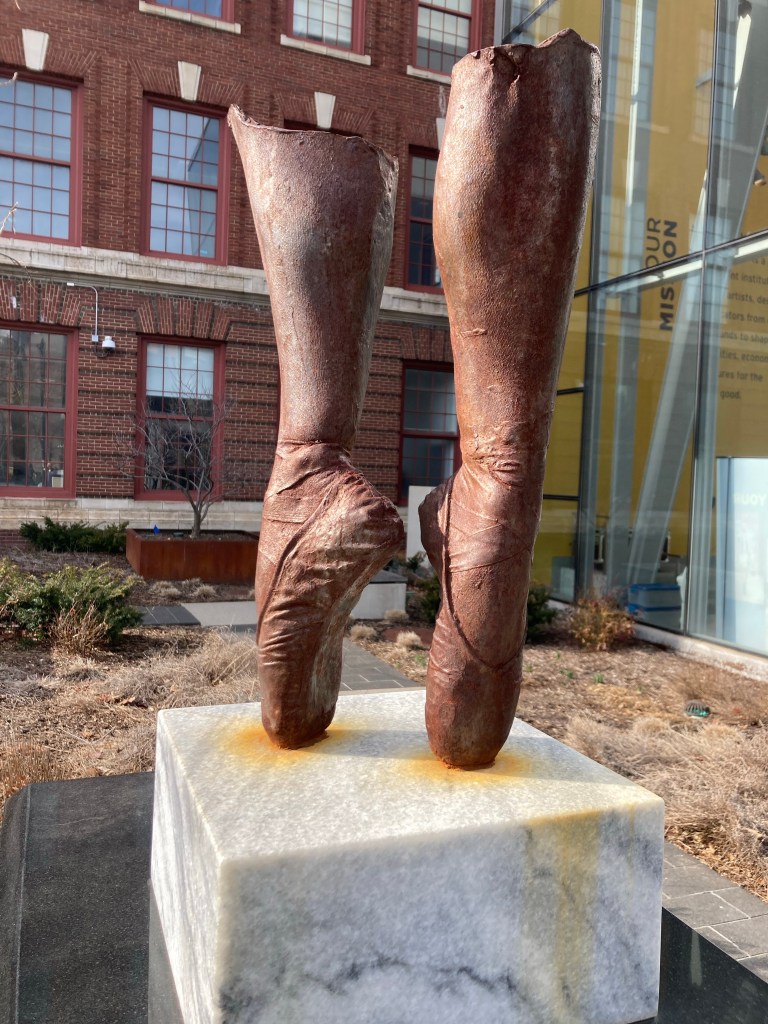
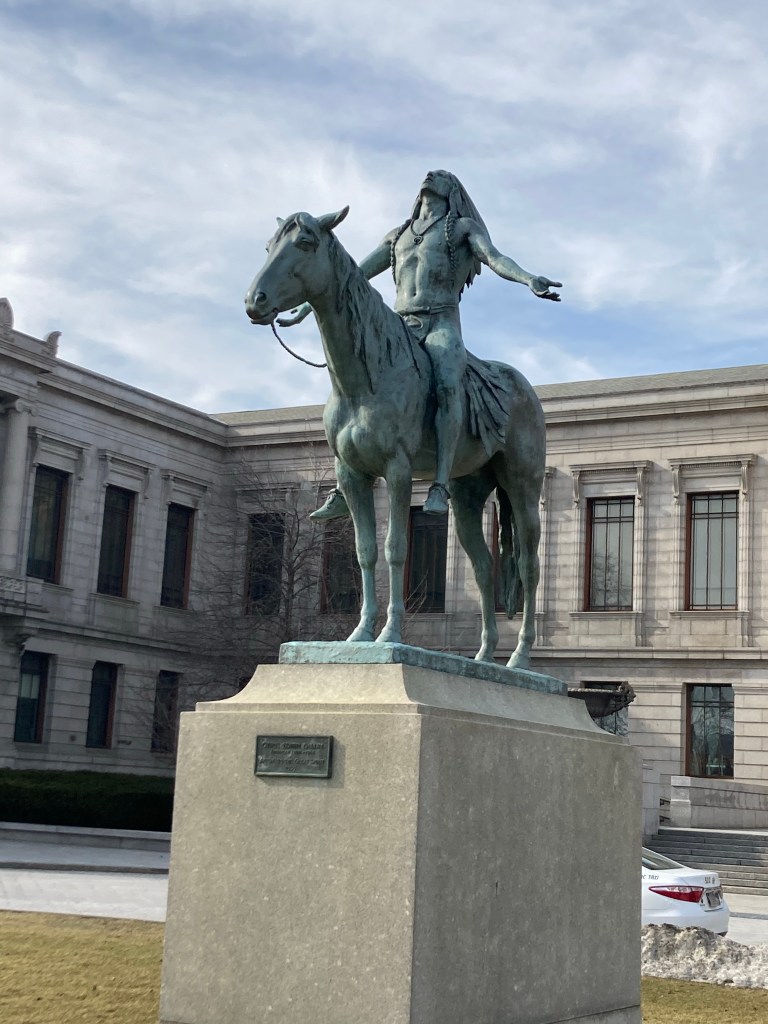
In Jamaica PlainOutside MassArtOutside the Museum of Fine ArtsNear Mass GeneralAcross from the Boston Public LibraryMildred Hailey Housing Complex, Jackson Square
Thanks for reading my blog entry. If you enjoyed this post, please leave a reply below where it says “enter your comments here.” If you would like to be on my email list, please type in your email address on this website where it says “enter your email address.” Then, click the red button which says “Follow.” You will receive a message and after you click it, and you will receive my daily blog posts.
The treatment regimens for pediatric tuberculosis are too long and complicated. A new study from Zambia, Uganda, South Africa and India attempted to rectify that situation. (I have been to 3 of the 4 study sites, in Lusaka; Kampala, and Stellenboch, but not Pune, India).
The bottom line is the clinical trial, which was published in the New England Journal of Medicine, looks like a success. The shorter, 4 month course of treatment was noninferior to the standard 6 month treatment course for non-severe, smear negative TB.
The broader issue is pediatric tuberculosis treatment doesn’t occur in a vacuum. Lab, radiology, pharmacy, and human resources infrastructure – doctors and nurses – are needed. HIV diagnosis and treatment is also a critical component of pediatric tuberculosis care, and requires resources.
More advocacy, and a vaccine better than BCG, are needed to stop kids from dying from tuberculosis.
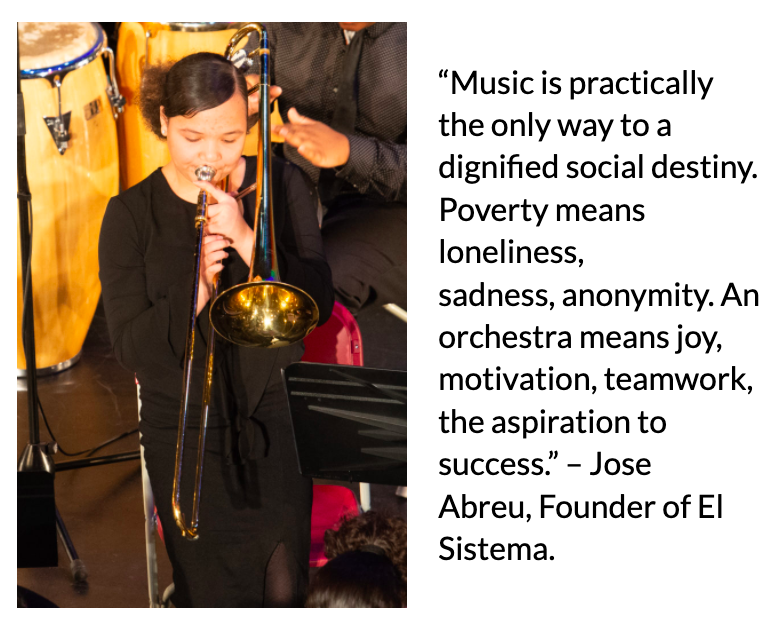
Right next door to Upham’s Corner Health Center, where I take care of patients, is the Conservatory Lab Charter School (CLCS). This is a K-8 school which endeavors to empower children through a unique and rigorous academic and music education. Conservatory Lab teachers believe in the power of music to transform the lives of students and families. Central to their curriculum is El Sistema, founded in in 1975 in Venezuela by José Antonio Abreu.
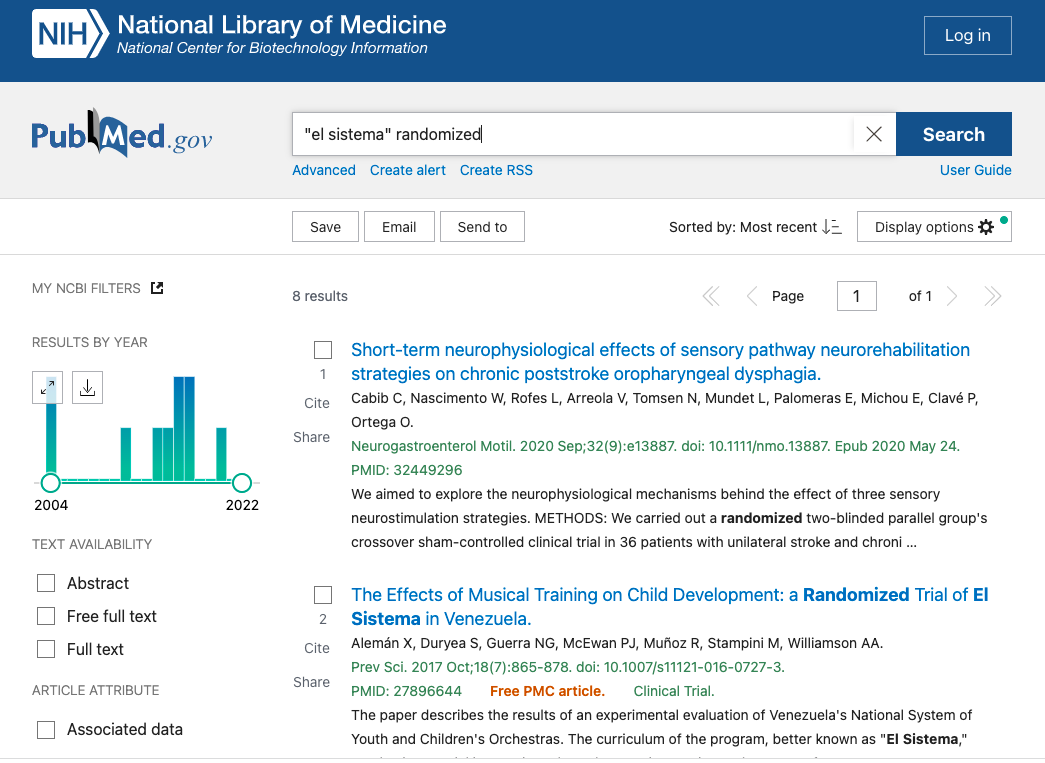
El Sistema has gotten a lot of publicity among advocates of school reform, but my question is if it has been rigorously evaluated? Here in Boston, it’s used at CLCS and also the Boston String Academy, but the logical setting to study it would be in Venezuela, where the program was initiated. It seemed to me that ideally we would have a randomized controlled trial of El Sistema versus a “placebo” school system, with a long duration of follow-up and appropriate primary outcome. I was curious if such a trial had been conducted. So I went to Pubmed, plugged in my search, and lo and behold, my #2 result…
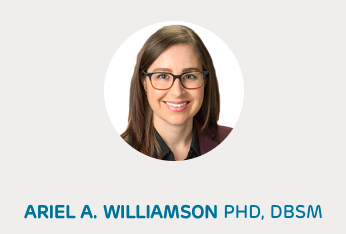
This study, The Effects of Musical Training on Child Development: a Randomized Trial of El Sistema in Venezuela, was conducted in Aragua, Bolívar, the Capital District (Caracas), Lara, and Miranda, and had 1 year of follow-up. It found that the El Sistema program improved self-control and reduced behavioral difficulties, particularly among vulnerable children. The senior author of the paper, Dr. Ariel Williamson, is now on the faculty at University of Pennsylvania, and I am going to email this blog post to her. My main question for Dr. Williamson and her other co-authors is “what’s next?”
By that I mean, is El Sistema proven to “work,” based on this single randomized trial? Are additional trials needed. Would qualitative studies be helpful? Or should troubled school districts like the Boston Public Schools be implementing an El Sistema program across the district, based on the currently available evidence?
The senior author on the randomized trial of El Sistema
Listen to this version of Autumn Leaves – it really swings
Thanks for reading my blog entry (my website is entirely free). If you enjoyed this post, please leave a reply below where it says “enter your comments here.” If you would like to be on my email list, please type in your email address on this website where it says “enter your email address.” Then, click the red button which says “Follow.” You will receive a message and after you click it, and you will get my blog posts.
In life, we need to set clear goals. Here are two of mine.
First, a running goal. Last night I signed up for a half-marathon in Toledo, Ohio which will occur on the morning of Sunday April 24th. It will be the second half-marathon I’ve run, the first being in Rhode Island along the Atlantic Ocean in the fall of 2017. That was challenging race, but I completed it in a little over 2 hours with a smile on my face. But now, I’m almost five years older and I about twenty pounds heavier. So I expect it to be more difficult, and I’ll run more slowly. But no matter. I have a clear goal – to finish the Toledo race and not get injured along the way.
How am I going to do that? Well I have been running and walking a decent amount this winter – 5Ks and other jogs. I’ve also been working with a running coach, Colin Turner, and group of students in a boot-camp. But with my travels and the ice and snow in Boston, I haven’t been focused on a race. Well, today, I am going to start being focused. My countdown is at 47 days.
I’m putting together a plan for how many miles per day I need to run, what days I will do long runs, speed-work, cross training, what foods to eat, etc. I’m excited for this race because my cousin, Kevan Toney, is going to be running the full Toledo marathon which occurs the same morning. Hopefully we’ll get a lot of family out at the finish line!
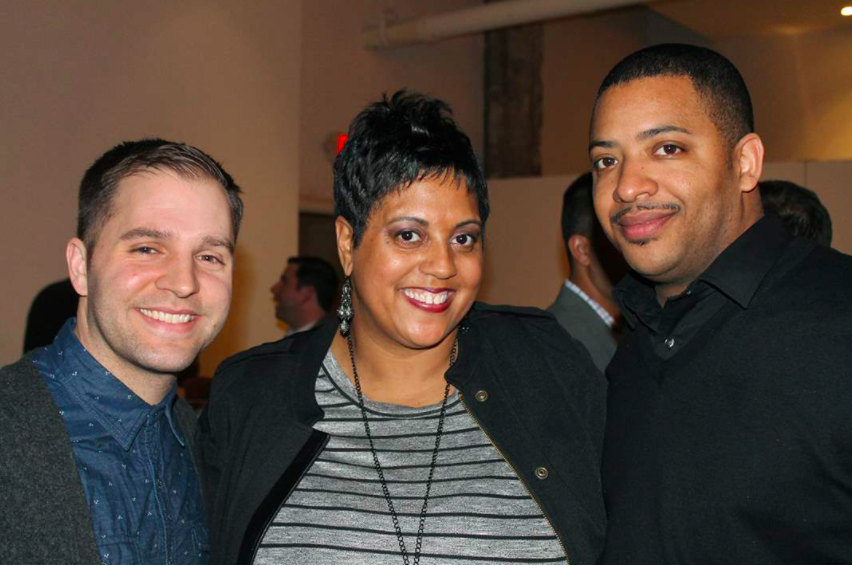
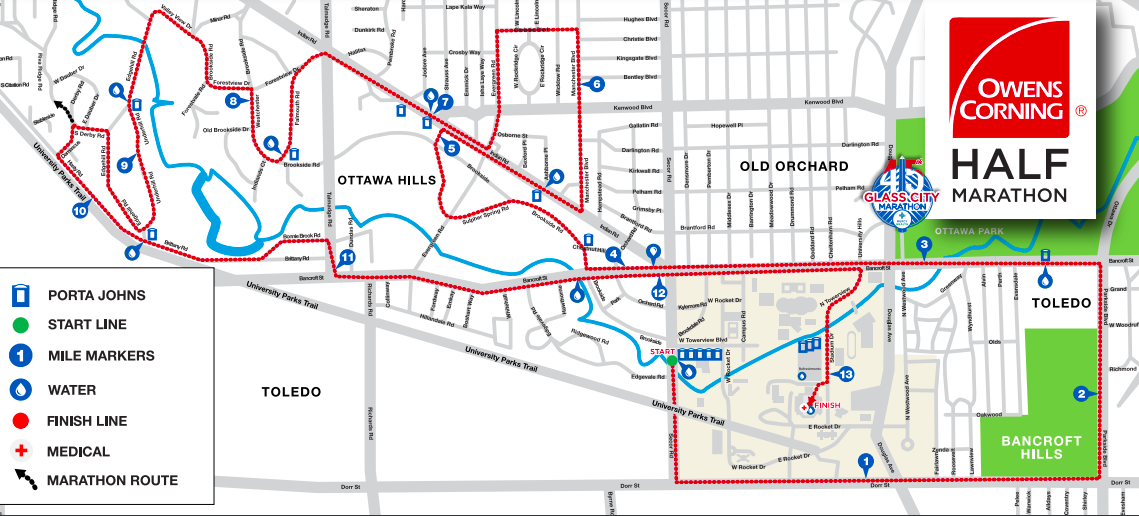
My cousin Kevan Toney (along with Candice and Brandon Harrison), will run the Toledo marathonThe Toledo 1/2 Marathon route – the race goes through Bancroft Hills and Ottawa Hills
And here’s the second goal. We need to rid the world of nuclear weapons.
The rationale for a world free of nuclear weapons has been made numerous times since Hiroshima and Nagasaki. The Cuban Missile Crisis in the 1960s was a time of high alert when people became very aware of the danger, along with the 1980s with the Cold War. Now, another wave for the abolition of nuclear weapons is building.
What can you do?
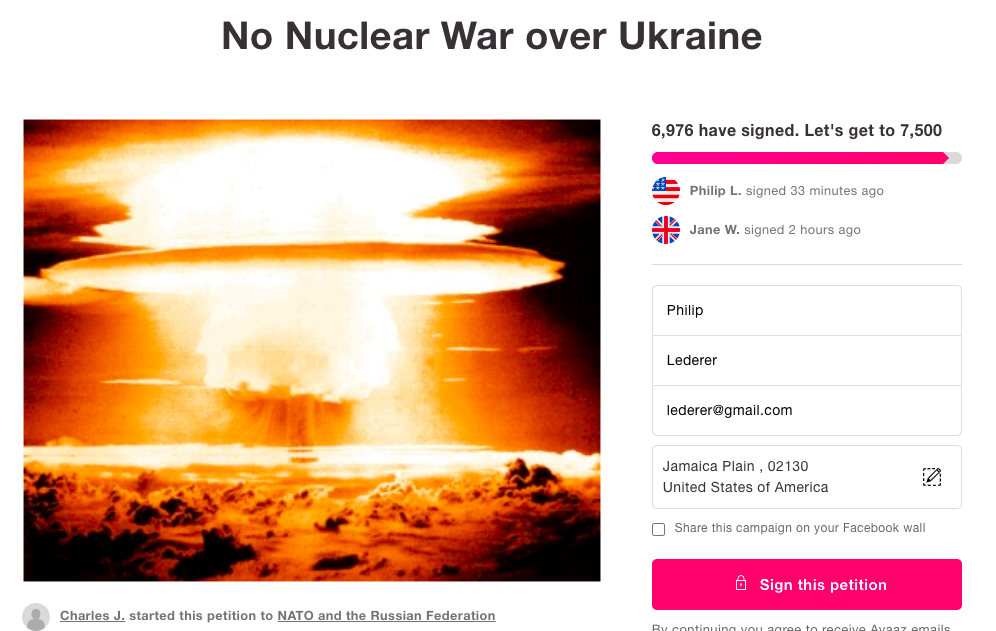
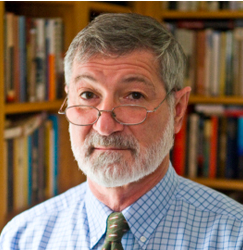
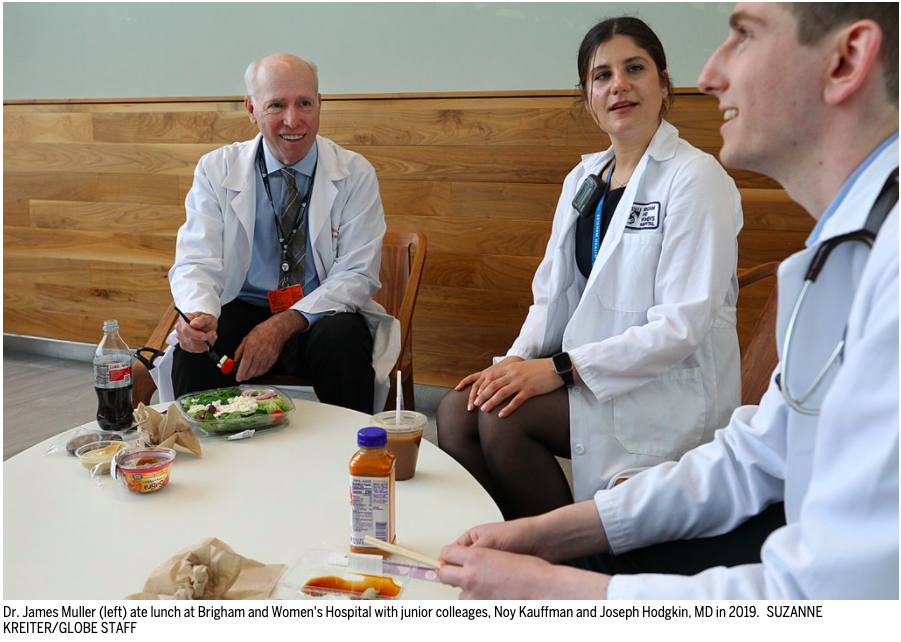
You can learn more about the issue, reading the Boston Globe article about James Muller, Ira Helfand, and colleagues. You can read the Lancet article Ira and colleagues wrote recently about nukes. You can sign this petition, No Nuclear War over Ukraine.
And you can contact me – at GBPSR, we are revamping our strategy for the abolition of these weapons. It’s clear that getting rid of the weapons will require a broad social movement. More countries, such as Taiwan, are angling to get weapons. But the more countries that have weapons, the greater the risk of accidental nuclear war.
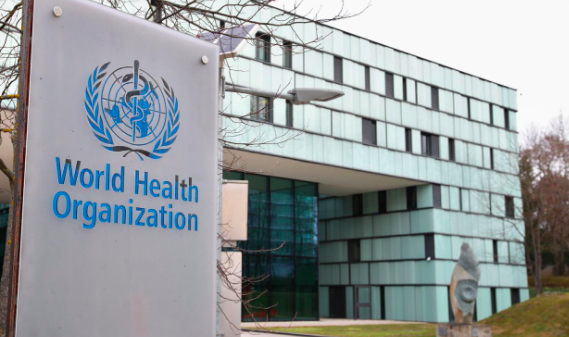
Instead, we need a new global order, led by a revamped powerful United Nations and World Health Organization.
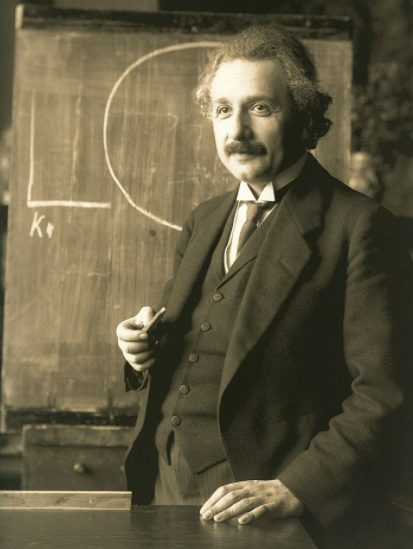
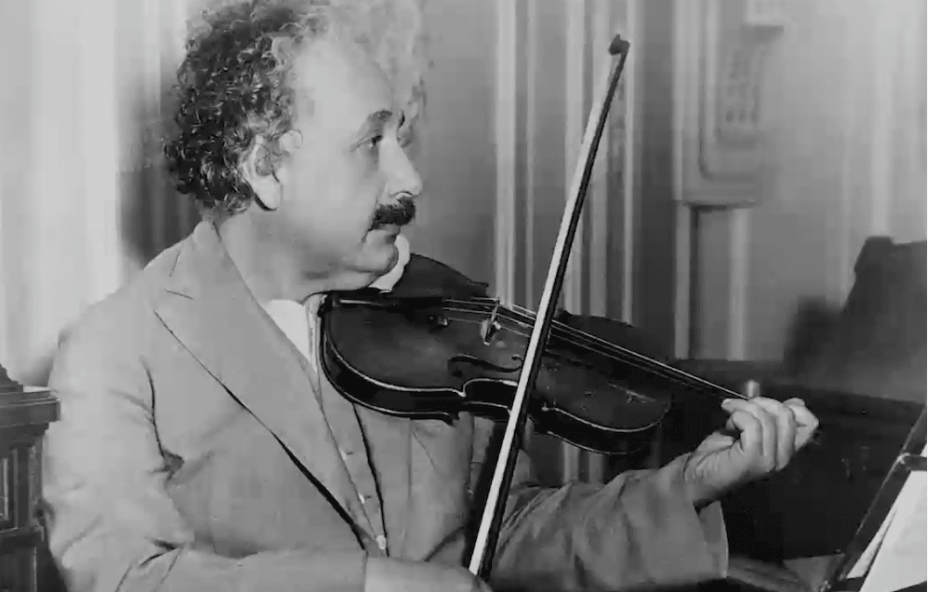
It was Albert Einstein who once wrote in a telegram: “The unleashed power of the atom has changed everything save our modes of thinking and we thus drift toward unparalleled catastrophe. We shall require a substantially new manner of thinking if mankind is to survive.”
In life, you need to set goals, and then figure out a strategy to achieve them.
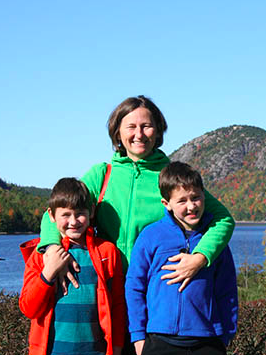
Albert Einstein, nuclear weapons abolitionistThe UN needs to take a major leadership role in the abolition of nuclear weaponsWHO also must lead, because of the devastating public health effects if nukes are ever usedRegina Larocque MD MPH and familyIra Helfand MDI couldn’t resist – one more Einstein photo
Thanks for reading my blog entry (my website is entirely free). If you enjoyed this post, please leave a reply below where it says “enter your comments here.” If you would like to be on my email list, please type in your email address on this website where it says “enter your email address.” Then, click the red button which says “Follow.” You will receive a message and after you click it, and you will get my blog posts.
The Boston Public Schools (BPS) superintendent search is underway, and we now know the members of the search committee. The question is if the committee will be able to attract an “All Star” educational leader to run the troubled district.
BPS is in a state of crisis, like many public school districts nationwide. Inequity, poor outcomes, and teacher turnover are challenges BPS is facing. Other concerns include trauma, mental health, limited English proficiency, and special education. I reviewed several Boston Globe articles about the BPS superintendent search, and one reader’s comment stood out:
Why would anyone want this job? The [BPS] superintendent’s office door should have a sign on it that reads “abandon hope, all ye who enter here.”
That seems to be the sentiment of many – that BPS is hopeless. It is underfunded and low quality, and families with means will eventually flee for the private schools or public ones in Newton / Wellesley. The racism and equity gaps will inevitably worsen.
By the way, this superintendent search isn’t going to be easy. There is a greater demand than supply for superintendents nationwide, with many vacancies.
But it really that simple, that the Boston Public Schools cannot be fixed? That the Massachusetts Department of Elementary and Secondary Education is going to take over and put BPS in receivership? That we should despair? It’s hard to say, but I believe there still is hope.
My opinion is that the new superintendent can and must figure out a way to return to neighborhood Boston schools rather than busing. But these must be high quality, refurbished neighborhood schools. The elephant in the living room, of course, is the racial segregation in Boston. The resources in Dorchester and Mattapan are different than those in Jamaica Plain.
An elected school committee could dramatically improve the situation in BPS, and give more power to the superintendent. In addition, an elected school committee could empower the teachers – to give them the resources they need to succeed.
A co-Superintendent could also be appointed, ideally a public health practitioner or medical doctor who would serve as the “Chief Health Officer” of BPS. This would be for COVID issues, but also mental health, nutrition and physical activity, asthma, etc.
Whoever is appointed as BPS superintendent, he or she she must be given the resources to build a great team. But will this happen? Only if the parents and other stakeholders organize and speak out. I wrote a short petition calling for a “metamorphosis” for Boston Schools and hope others will support that, as well as put forward their own ideas.
What are the next steps from the superintendent search committee? There are listening sessions via Zoom starting this week – the first on Wednesday evening. The district posted a Request for Proposals to hire a search firm to help with the hiring process. I hope the firm members will understand the importance of educational equity.
The new BPS superintendent will not have a magic wand to improve school outcomes. The district and the politics are complex. Parental and teacher involvement, and communication is key. A culture of belonging and psychological safety must be created. There are no miracles or quick fixes, as much as we want immediate change. Most important is that we be confident that we can get the job done in our attempts to improve BPS. And we must be ready to work together, for years, even decades. There is a long history of people attempting education reform, and they only succeed when they are truly committed to the task.
The members of the search committee include the following individuals:
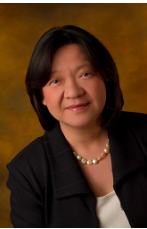
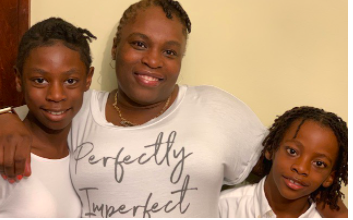
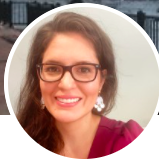
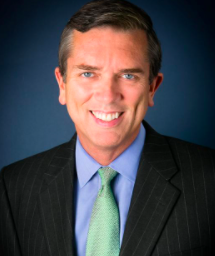
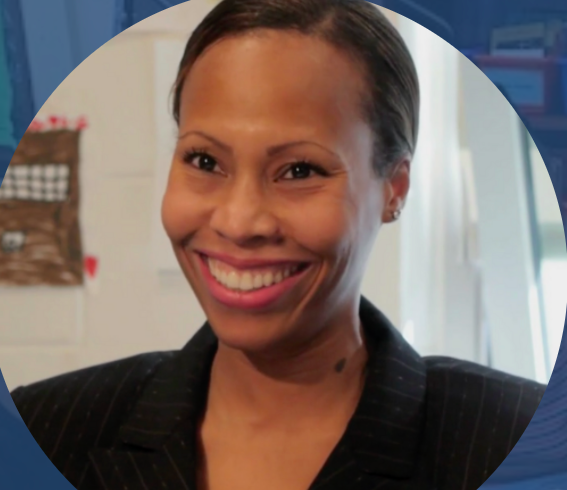
Pam Eddinger, President of Bunker Hill Community CollegeRoxi Harvey, Chair of the BPS Special Education Parent Advisory Council (SpEdPAC), with her familyLorena Lopera, Member of the Boston School CommitteeMarcus McNeill, Student at Fenway High SchoolMichael O’Neill, Vice Chair of the Boston School CommitteeDr. Carline Pignato, Head of School at Channing Elementary School
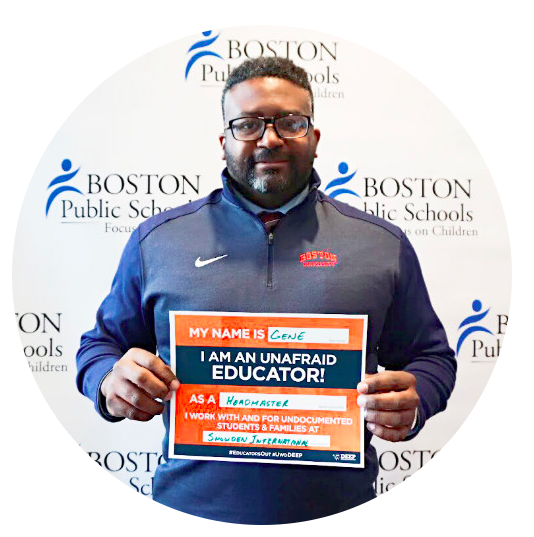
Gene Roundtree, Secondary School Superintendent at Boston Public Schools
Jessica Tang, President of the Boston Teachers Union José Valenzuela, Teacher at Boston Latin Academy
Thanks for reading my blog entry (my website is entirely free). If you enjoyed this post, please leave a reply below where it says “enter your comments here.” If you would like to be on my email list, please type in your email address on this website where it says “enter your email address.” Then, click the red button which says “Follow.” You will receive a message and after you click it, and you will get my blog posts.














 Philip A. Lederer