Bring the CDC to the Boston Public Schools

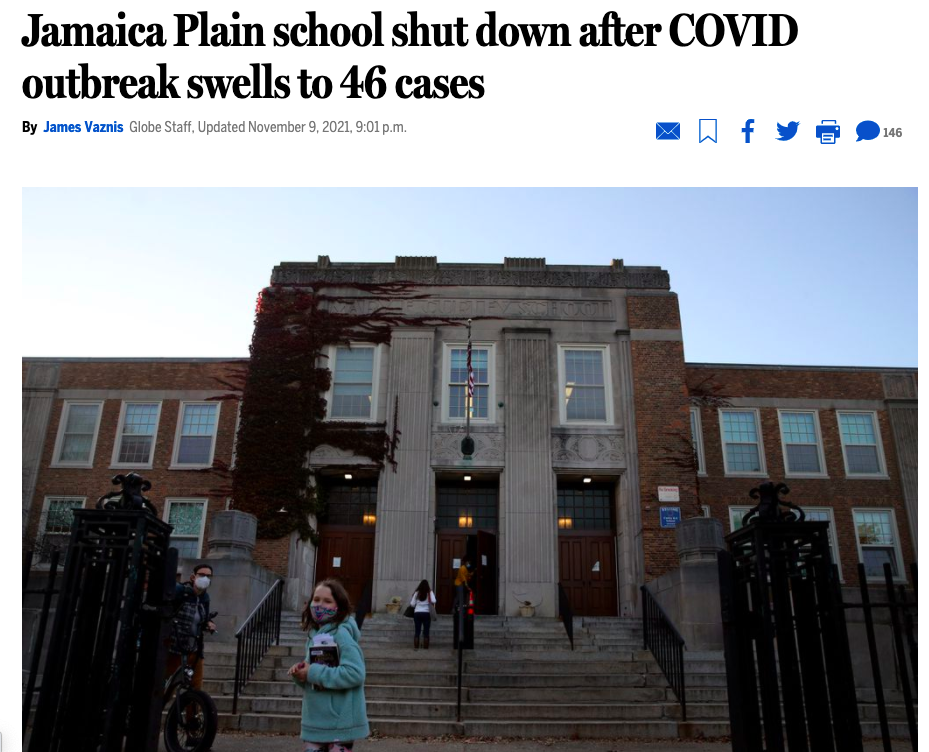
My son is a student at Manning School, and I believe we need a CDC Epi-Aid to the Boston Public Schools regarding COVID transmission (Curley, Manning, Orchard Gardens Schools, etc). Please sign our petition here.

An Epi-Aid is an investigation of an urgent public health problem, such as infectious or non-communicable disease outbreaks, unexplained illnesses, or natural or manmade disasters. When a public health authority requests assistance from the U.S. Centers for Disease Control and Prevention, an Epi-Aid allows rapid, short-term (1–3 weeks), generally onsite, technical assistance.

I participated in an Epi-Aid in Florida in 2014, when I was at CDC, so I know what they are like. An Epi-Aid is a scientific investigation, not a political stunt. The goal is to get to the bottom of an emerging public health problem. With winter approaching, we need to ensure that Boston schools are safe, especially in case new variants emerge. Bringing in the CDC could help us do just that.
Field of Dreams

Sometimes things don’t seem to be going so well. Maybe it’s a COVID outbreak in your local schools, and the health authorities response seems tepid. Or perhaps there isn’t much action at the climate change summit in Glasgow. Or maybe there are challenges in a marriage, or issues with parenting.

Perhaps you are in a funk, avoiding friends, and feeling burned out. There’s little motivation to go jogging or pursue your hobbies. I get it. Life can be hard.

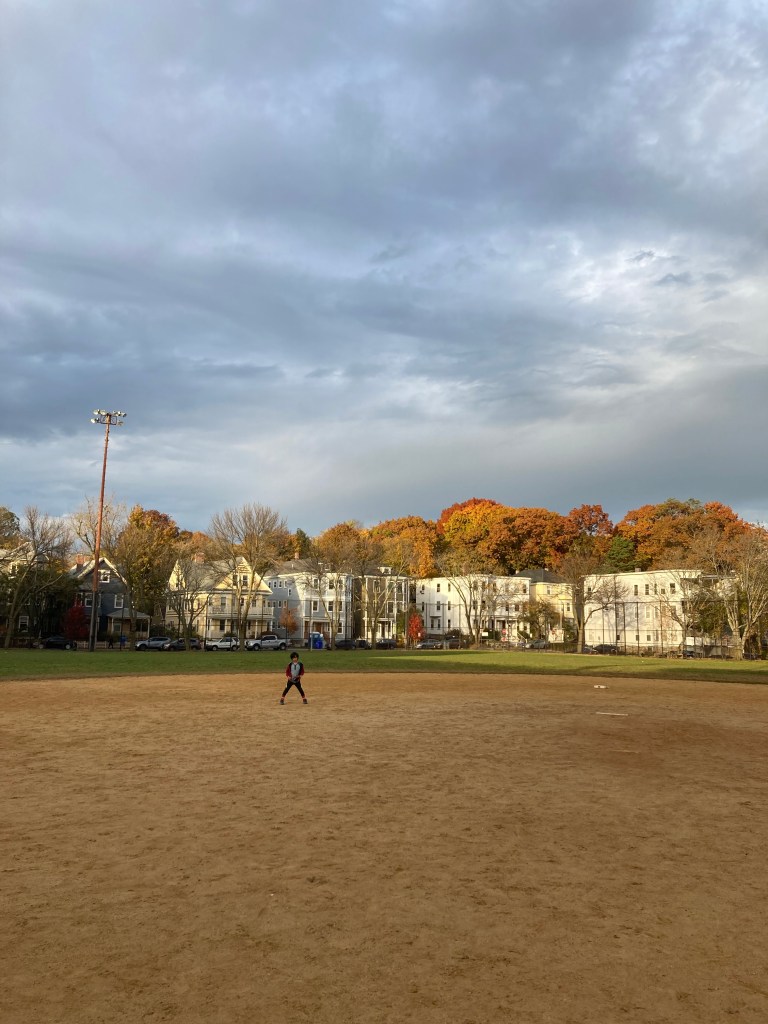
At such times I like to retreat to the local baseball diamond with my son for some fungos, pitch-and-catch, and grounders.

Life is simpler there – make a good throw. Focus and catch that fly ball, swing and connect and get a double. Laughter, advocacy in motion, the power of sport, and of play. It can be a Zen experience – death averted for one more day.

The ball diamond
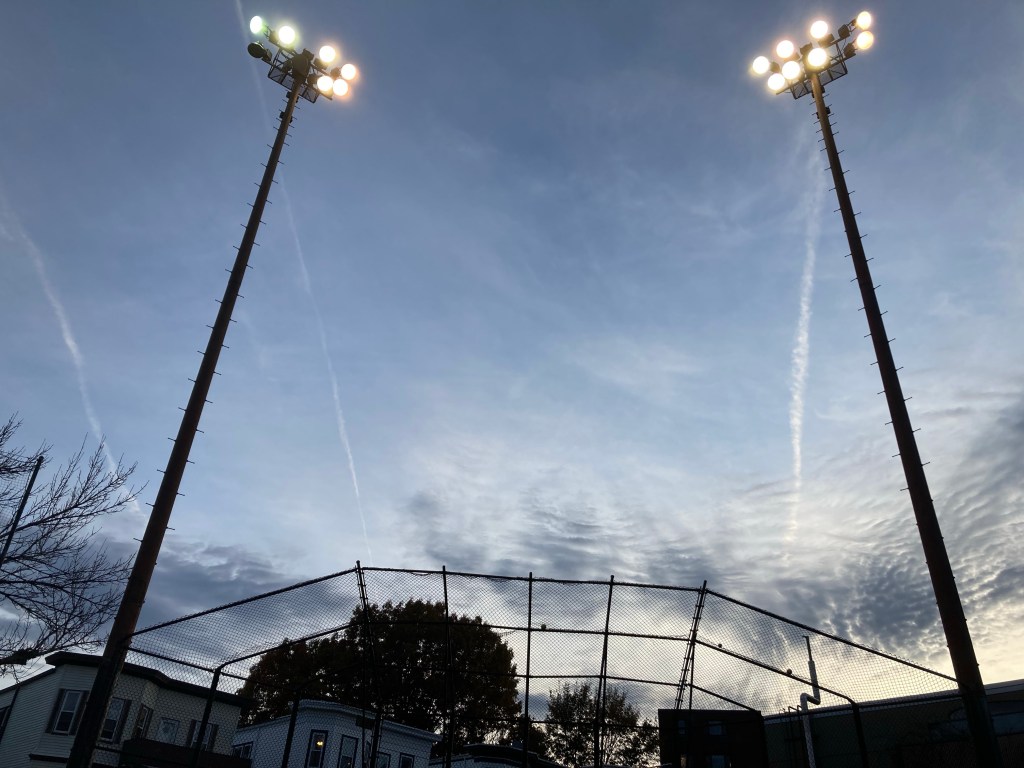
The bright lights

Regaining our Health

If you’re like me, the past several years have been stressful and difficult. COVID, quarantines, mental breakdowns, and so many other things have happened.

In terms of physical health, I found my weight creep to over 200 pounds, due to the lithium that I take, along with my diet. But now, I’m trying to control what I can – nutrition and physical activity.

Today I weighed in at 199.5 pounds and decided to double down on my goal to get my weight under 180. I ran a 5K race this morning at Jamaica Pond in 25 minutes and 19 seconds. It was tough, but it was fun, and the fastest time I’ve done in years. I’m also trying to follow the recommendations of my nutritionist – to eat mostly fruits and veggies, and to control portion sizes. So we’ll see where this leads.

I am hoping for weight loss, more energy, better mood, and, of course remaining free from depression and mania. That’s what matters, a healthy balance. Physical health is critically important to help us deal with the challenges ahead.

What are your health goals as we head into the holiday season? Please leave a comment below.

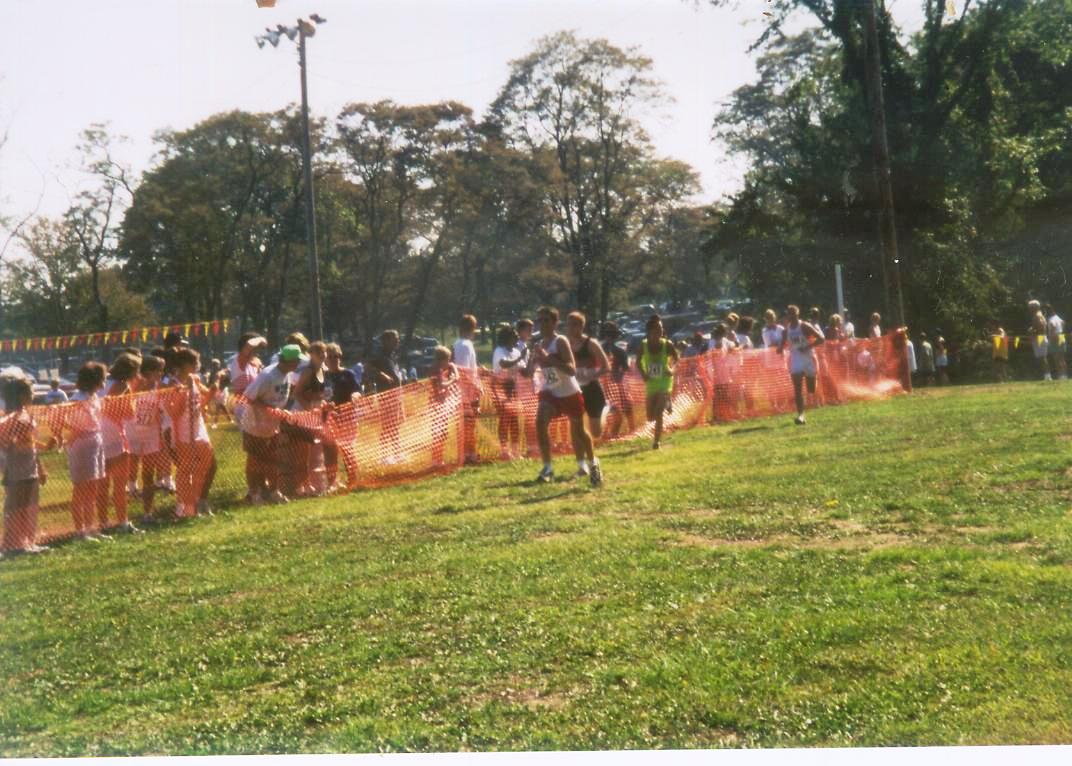
Cross country racing in 1998. I weighed 140 pounds and ran a number of 5Ks in about 20 minutes
Sprinting toward the finish line, 1998. Those were the days

My letter in the Boston Globe

The Boston Globe published my letter about the homelessness crisis in today’s newspaper:

We should be addressing root causes, not looking to correctional settings

I am a physician with a background in public health, and I agree with Dr. Jody Rich, director of the Center for Health and Justice Transformation, that jail-based addiction programs are not a solution to the crisis at Massachusetts Avenue and Melnea Cass Boulevard (“A look inside sheriff’s plan for Mass. and Cass,” Shirley Leung, Page A1, Oct. 24). For example, one recent study reported that fentanyl-related overdoses are likely to be occurring at increasing frequency within correctional facilities.

Instead, how about a social movement to address the root causes of the opioid and homelessness crisis? Band-Aids are not the answer when our brothers and sisters are bleeding out. Instead of “dignified incarceration,” we need dignified housing, effective treatment, job training, education, and community support.

Finally, we must address the stigma and discrimination surrounding mental illness, addiction, and homelessness. As a practicing doctor who has bipolar disorder and takes lithium, I have empathy for my neighbors at Mass. and Cass who are struggling and marginalized. I hope the people of this city will come together and build what the Rev. Martin Luther King Jr. called a “beloved community” of health and healing.

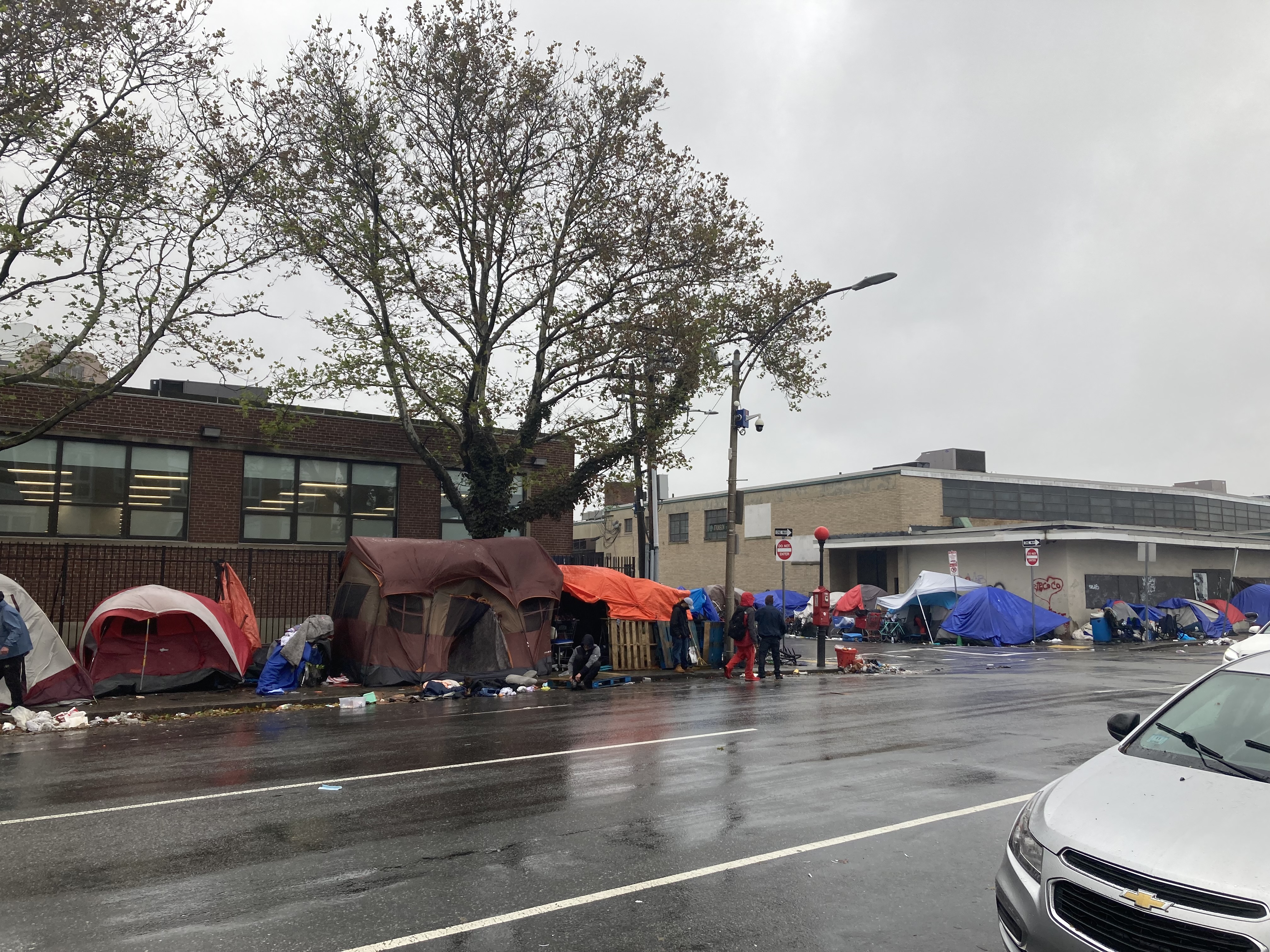
Photo from the Mass/Cass area I took last week, before a press conference held by physicians and other advocates

In New York City

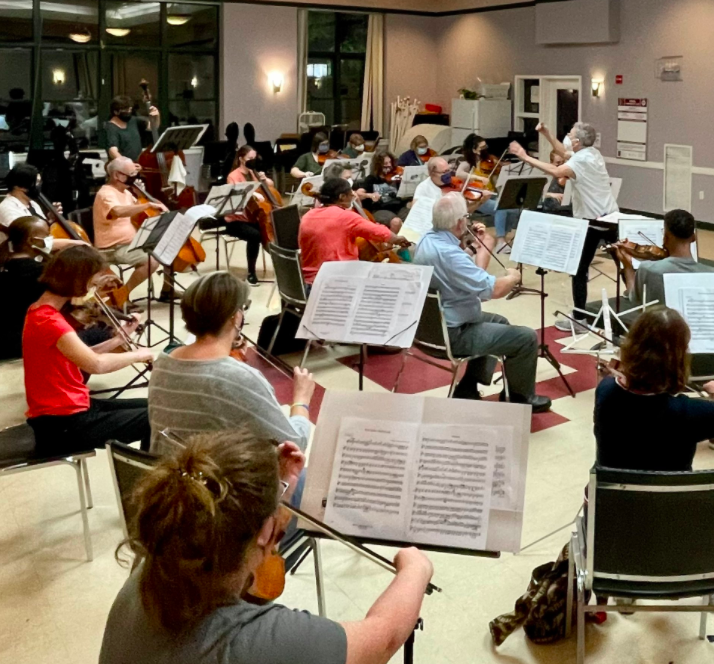
I am traveling to NYC with the Me/2 Orchestra for performances this week. This is Mental Illness Awareness Week and we are partnering with both Neurocrine and Sing for Hope to bring music and positive mental health messages to Manhattan on Thursday-Friday!

Here is our schedule for Thursday, October 7:

12:30 pm on Lincoln Center plaza

This is the unveiling of a new sculpture by renowned artist Jorge Rodriguez-Gerada. The sculpture is a continuation of Neurocrine’s “Monumental Moments” campaign, recognizing the importance of mental health during the pandemic. Me2/ will provide music as the sculpture is revealed and media interviews take place (roughly 30 minutes). There won’t be any audience seating as this is staged for the media only, but people are welcomed to stop and listen.

5:00 pm at 28 Liberty

Our partners at the NYC-based organization, Sing for Hope, are known for such large-scale projects as their artist-designed pianos placed throughout greater NYC, as well as bringing music to the masses receiving vaccinations at the Javits Center earlier this year. Me2/ is proud to be partnering with Sing for Hope on a public performance on the plaza outside 28 Liberty this Thursday, inspired by Mental Illness Awareness Week. There will be seating available.

We are awaiting confirmation of a potential ‘pop-up’ performance at a transportation hub on Friday as well.

Saint Rose String Band Concert

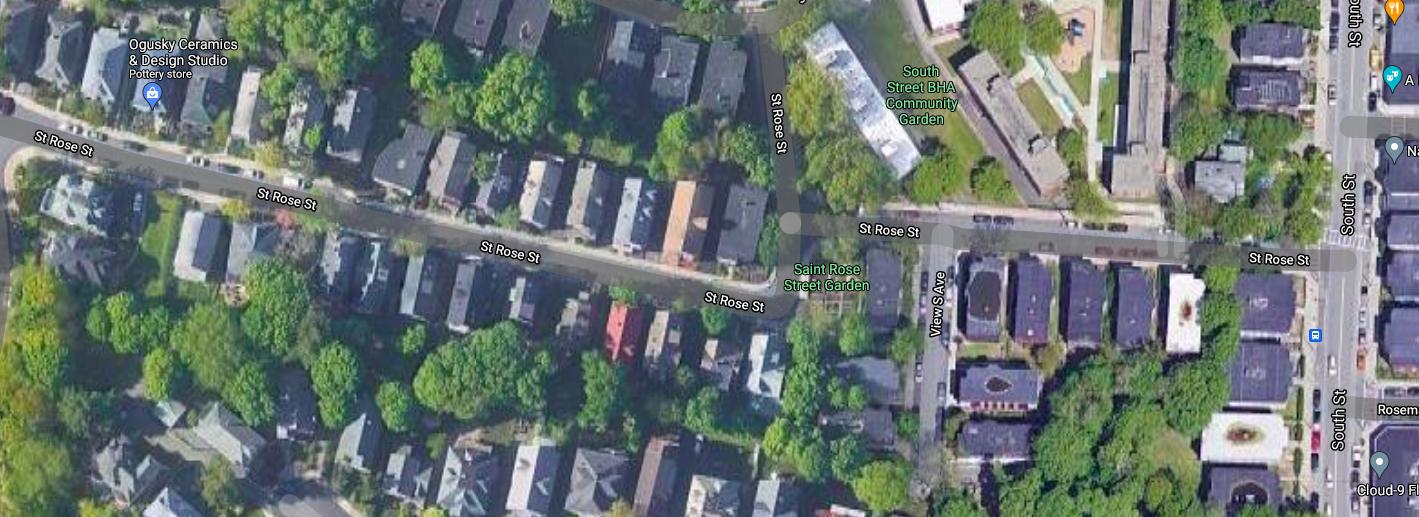
Today, we are hosting a small concert in the Saint Rose Street Garden in Jamaica Plain from 3:30-5pm.

The Saint Rose String Band (Zoltán Glück/banjo, Adam Omar Hosein/guitar, me/violin) will be playing a couple of sets of folk and old time tunes and maybe a few jazz standards. And there will be a clay table for the kids (or adults) courtesy of Jeremy Ogusky (thanks!). Bring along your friends, kids, dogs, and drinks! 

Location: the community garden, located at the bend of Saint Rose Street, up the hill from South Street, near the Forest Hills MBTA stop in Boston.

Weather forecast: 79 degrees and mostly cloudy, perfect for music.

Although the risk of outdoor transmission of COVID is generally low, please remember to get vaccinated, practice physical distancing, and consider wearing a mask depending on the circumstances.

Our Letter in the New York Times

June 4, 2020

RE “Built for This, C.D.C. Shows Flaws in Crisis” (front page, June 3)

To the Editor:

As former Epidemic Intelligence Service officers at the C.D.C. and former members of the Commissioned Corps of the U.S. Public Health Service, we believe that this article, while raising valid points about the C.D.C.’s need for culture change, misses the “elephant in the living room” — the underfunding of public health in the United States.

The C.D.C. is a leading international public health entity, its programs and projects drive health policy, and it responds to outbreaks of public health significance worldwide. Despite all of this, the agency, along with state and local health departments, has been underfunded and neglected for decades. The budget for public health is less than 3 percent the amount of money America spends on its multipayer health care system.

The C.D.C. must be funded appropriately, charged with leading the Covid-19 response and also with addressing the health inequities unmasked by this global pandemic. Additionally, a single-payer health care system would make a significant dent in these inequities, both through direct provision of necessary health care without financial barriers and through availability of much richer data sets from which to analyze health trends and needs.

SARS-CoV-2 has demonstrated the need for major changes in public health and health care services, but without financial support, these changes cannot be made. If the children of the United States are to have a healthy future, our budgets must reflect that priority.

Malini DeSilva

Philip Lederer

Brian Yablon

Innovation and Knowledge Sharing Can Transform COVID-19 Infection Prevention Response

Our recent article about SARS Cov-2, from the Journal of Hospital Medicine:

Emerging studies on coronavirus disease 2019 (COVID-19) confirm high rates of infection among healthcare workers (HCWs). As widespread community transmission increases, frontline HCWs, such as hospitalists, are at particularly high risk of exposure to people with undiagnosed COVID-19. Although there is no known effective treatment for COVID-19, early detection is vital to decreasing ongoing transmission through contact tracing and quarantine.

Read the rest of our paper, here.